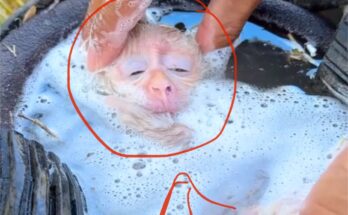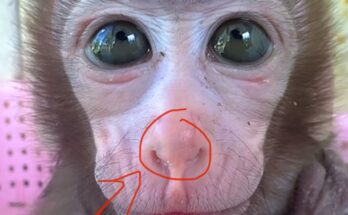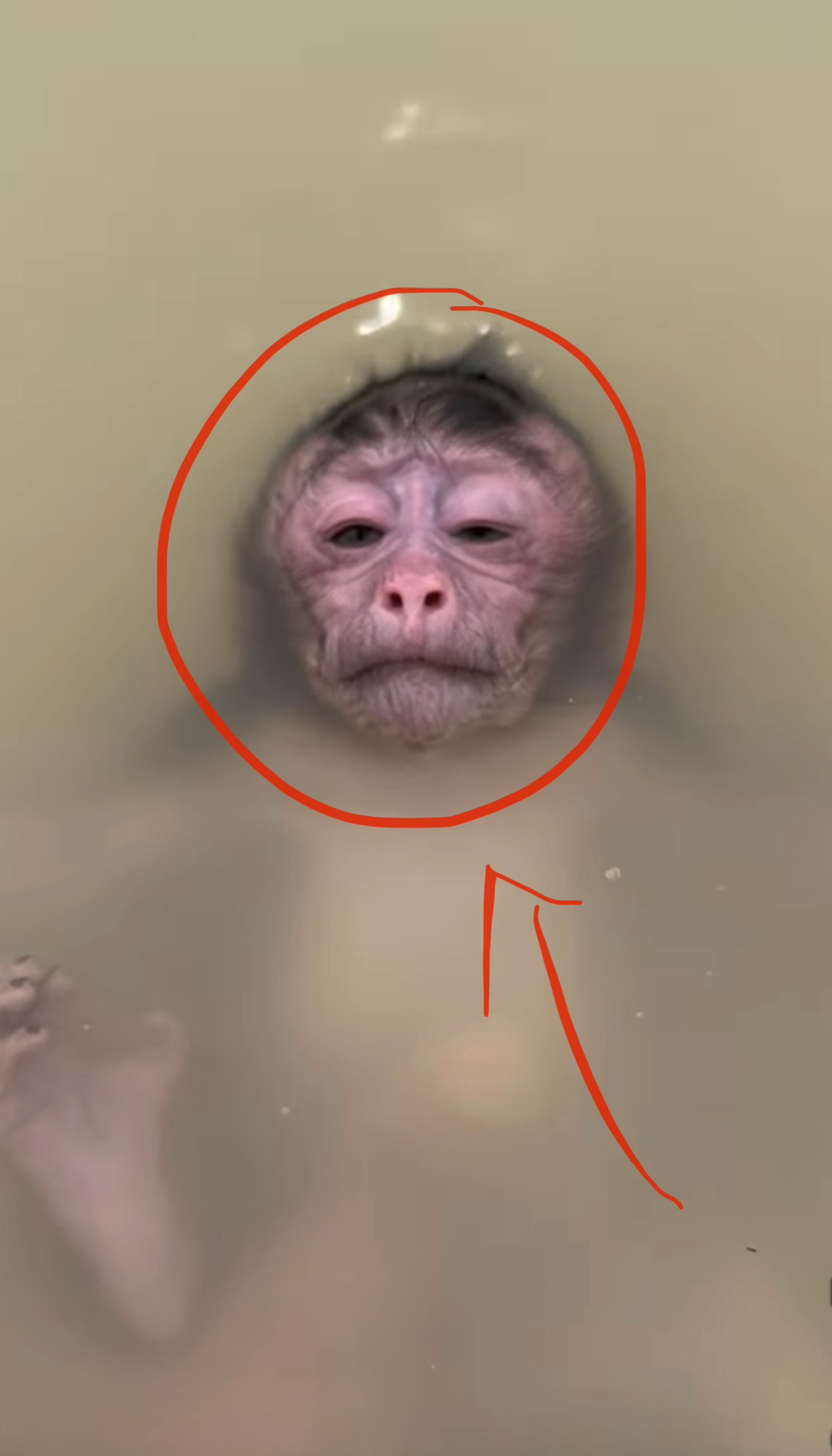
Baby monkeys are naturally curious and playful, but their small size and limited swimming ability make them extremely vulnerable around water. Accidental drowning can happen in seconds—whether in rivers, ponds, water containers, or during heavy rainfall. Knowing how to respond immediately can make the difference between life and death. This guide explains practical first-aid steps to take if a baby monkey is rescued from water and appears to be drowning.
Recognizing Drowning in a Baby Monkey
A baby monkey that has drowned or nearly drowned may show signs such as limpness, weak or absent breathing, bluish lips or gums, coughing, or water coming from the mouth or nose. In some cases, the baby may be unconscious but still have a faint heartbeat. Even if the monkey appears lifeless, first aid should begin immediately.
Step 1: Remove the Monkey from Water Safely
Gently but quickly remove the baby monkey from the water. Support the head and neck at all times, as baby monkeys are fragile. Place the monkey on a dry, flat surface, preferably slightly tilted so the head is lower than the body to help water drain naturally.
Step 2: Clear the Airway
Check the mouth and nose for visible debris, mud, or plant matter. Carefully clear anything blocking the airway using your fingers or a clean cloth. Do not insert objects deep into the throat, as this can cause injury.
Step 3: Check Breathing and Pulse
Observe the chest for movement and listen closely for breathing sounds. If the baby monkey is not breathing or breathing is very weak, immediate rescue breathing is needed. Check for a heartbeat by gently placing two fingers on the chest area.
Step 4: Rescue Breathing (If Not Breathing)
If there is a heartbeat but no breathing:
-
Gently close the monkey’s mouth.
-
Place your mouth over the nose and give small, gentle breaths—much softer than for a human baby.
-
Give one breath every 2–3 seconds.
-
Watch for the chest to rise slightly.
If the chest does not rise, reposition the head and try again.
Step 5: Keep the Monkey Warm
After breathing resumes, dry the baby monkey thoroughly and wrap it in a warm cloth or towel. Hypothermia is a serious risk after drowning, especially in infants. Keep the monkey in a warm, quiet place and minimize stress.
Step 6: Seek Veterinary or Wildlife Professional Help Immediately
Even if the baby monkey seems to recover, water may have entered the lungs, which can cause serious complications hours later. Contact a wildlife rescue center, veterinarian, or trained animal rehabilitator as soon as possible. Professional care is critical for survival.
Important Warnings
-
Never shake the baby monkey.
-
Do not hang the monkey upside down.
-
Do not delay professional help, even if the monkey appears stable.
Final Thoughts
Drowning is a medical emergency, but quick, calm first aid can save a baby monkey’s life. Acting gently, keeping the airway clear, assisting breathing, and getting professional care immediately are the most important steps. With fast intervention and proper treatment, recovery is possible.