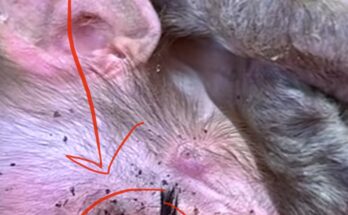
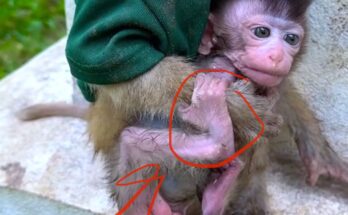
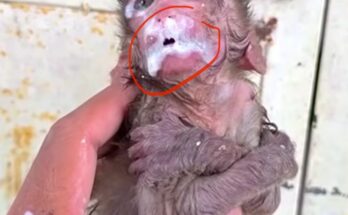
Newborn monkeys are extremely delicate, and even minor injuries can become life-threatening without proper care. When a newborn monkey is injured—whether from a fall, a bite, or accidental trauma—the type of medicine used is far less important than how and by whom the treatment is given. Unlike common pets, monkeys are wild or exotic animals with very specific medical needs, and improper medication can do more harm than good.
Immediate Priorities Before Medicine
The first step in helping an injured newborn monkey is stabilization, not medication. Keeping the infant warm, quiet, and protected from further harm is critical. Newborn monkeys cannot regulate their body temperature well, so hypothermia can quickly worsen injuries. Clean surroundings and minimal handling help reduce stress and prevent infection.
At this stage, no human medicines should be given. Many drugs that are safe for humans or domestic animals are toxic to primates, especially newborns.
Types of Medicine Commonly Used by Veterinarians
Only a licensed veterinarian experienced with primates or wildlife should decide which medicines are appropriate. Depending on the type and severity of the injury, a vet may consider the following categories:
-
Pain Management Medications
Newborn monkeys experience pain just like humans do, but pain relief must be carefully controlled. Veterinarians may use specialized analgesics designed for primates in extremely small, calculated doses. Incorrect pain medication can suppress breathing or damage organs. -
Antibiotics
If the injury involves an open wound, bite, or risk of infection, antibiotics may be prescribed. These are chosen based on the monkey’s age, weight, and immune system development. Broad-spectrum antibiotics are sometimes used, but only under professional supervision. -
Anti-Inflammatory Medications
Swelling can interfere with healing, especially in head or limb injuries. Certain anti-inflammatory drugs may be used, but many common options are unsafe for newborn primates, making veterinary guidance essential. -
Fluid and Nutritional Support
While not “medicine” in the traditional sense, fluids and specialized milk formulas are often lifesaving. Injured newborn monkeys can become dehydrated or weak very quickly, and supportive care is often more important than drugs.
Why Home Treatment Is Dangerous
Attempting to treat a newborn monkey with over-the-counter medicine, herbal remedies, or internet advice is extremely risky. Dosage errors, toxic ingredients, and delayed professional care can turn a survivable injury into a fatal one. Even cleaning wounds incorrectly can introduce dangerous bacteria.
The Role of Wildlife Rescuers
In many regions, wildlife rehabilitators are trained to handle injured infant primates. They work closely with veterinarians and understand both the medical and behavioral needs of newborn monkeys. Contacting a wildlife rescue organization is often the safest and fastest way to get appropriate treatment.
Conclusion
There is no single “best medicine” to save an injured newborn monkey. The correct treatment depends on the injury, the monkey’s condition, and expert medical evaluation. The most important action is to seek immediate professional help. With proper veterinary care, gentle handling, and the right medical support, many newborn monkeys can recover and go on to live healthy lives.