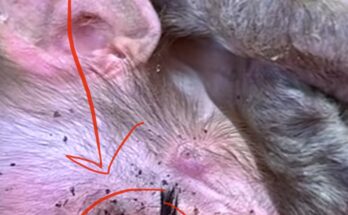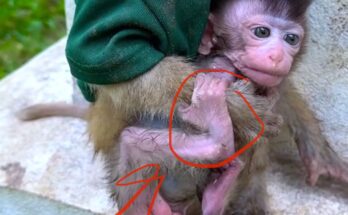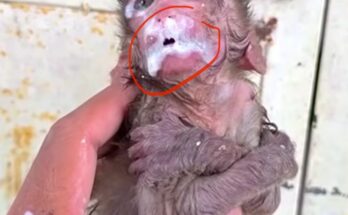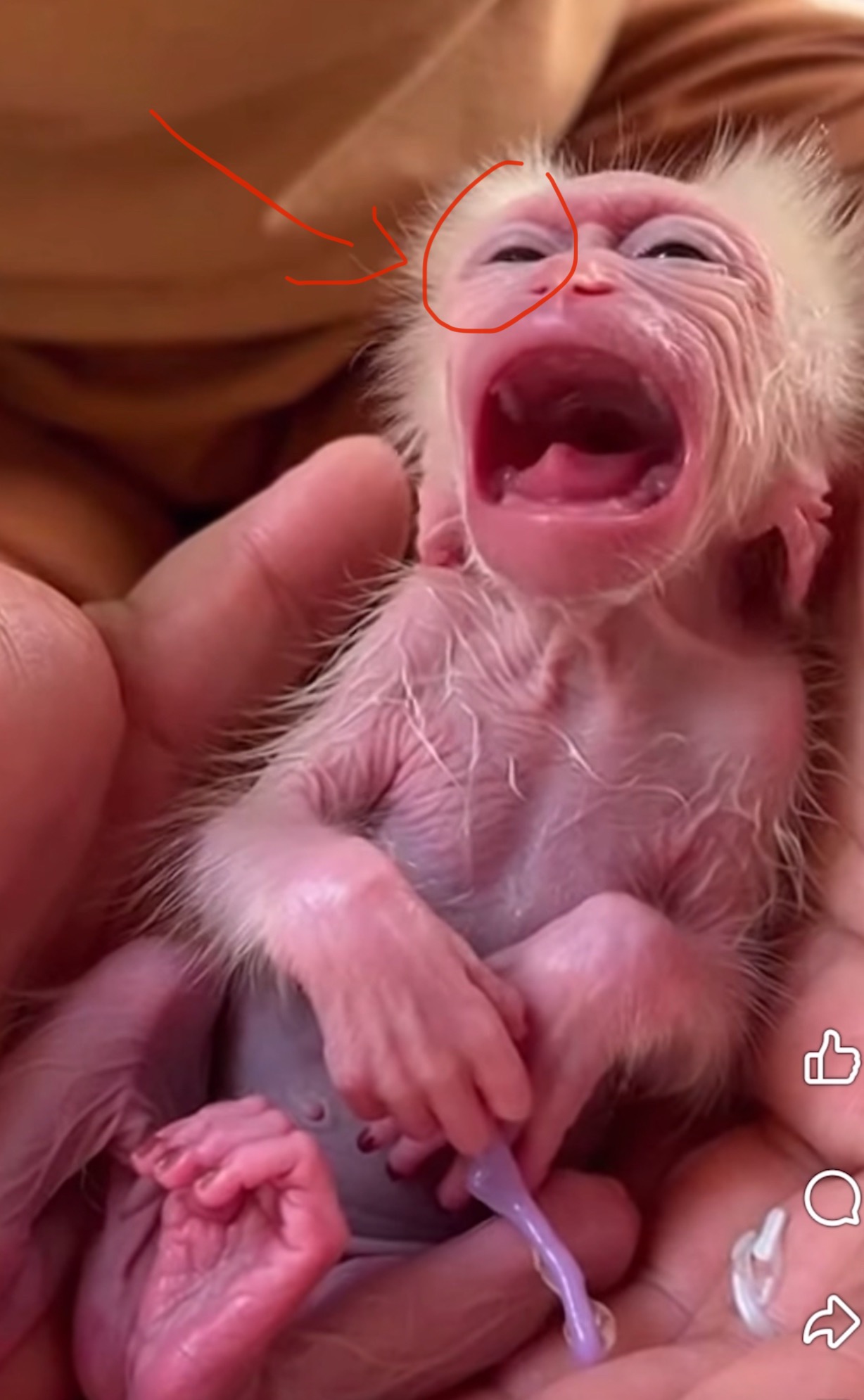
Caring for a newborn monkey is a delicate responsibility, and any sign of illness—especially something like a sore throat—should be taken seriously. Newborn primates have developing immune systems, making them vulnerable to infections and environmental stress. If a baby monkey shows signs of throat discomfort, quick, gentle, and informed action can make a big difference.
Recognizing the Signs
A sore throat in a newborn monkey may not look the same as it does in humans. Common signs include weak or hoarse vocalizations, difficulty swallowing, reduced feeding, excessive drooling, coughing, or unusual breathing sounds. The infant may appear lethargic or irritable and may resist nursing. Because dehydration can happen quickly in newborns, reduced feeding is an especially important warning sign.
Create a Warm, Clean Environment
The first step is to ensure the baby monkey is kept warm, clean, and stress-free. Chilling can worsen throat and respiratory issues. Maintain a stable, species-appropriate temperature and avoid drafts. Keep bedding clean and dry, as dust and strong odors can irritate the throat and airways. Limit handling to what is necessary, and keep noise and activity low to reduce stress.
Support Hydration and Feeding
If the monkey is still able to feed, ensure it has frequent access to appropriate milk or formula recommended for its species. Feeding in small, regular amounts can help prevent strain on the throat. Never force-feed, as this can cause aspiration and worsen breathing problems. If the baby refuses to feed or struggles to swallow, this is a sign that professional help is urgently needed.
Avoid Home Medications
It can be tempting to try home remedies or medications, but this can be dangerous for newborn monkeys. Human medicines, herbal treatments, or unverified animal products may be toxic or inappropriate for primates. Do not apply oils, sprays, or liquids directly to the throat or mouth unless instructed by a qualified professional.
Monitor Breathing Closely
Watch the baby’s breathing pattern. Rapid breathing, open-mouth breathing, wheezing, or nasal discharge can indicate that the sore throat is part of a larger respiratory infection. Newborn monkeys can decline quickly, so changes in breathing should never be ignored.
Seek Professional Veterinary Care
The most important step is contacting a veterinarian experienced with primates or exotic animals as soon as possible. A sore throat can be caused by infection, irritation, reflux, or environmental factors, and only a professional can safely diagnose the cause. Early treatment greatly improves the chances of recovery and helps prevent complications.
Prevent Future Issues
Once the baby recovers, focus on prevention. Maintain excellent hygiene, proper nutrition, and a stable environment. Minimize exposure to sick animals and humans, and ensure regular health checks.
In summary, a sore throat in a newborn monkey is a serious concern that requires calm observation, supportive care, and prompt veterinary attention. Gentle handling and professional guidance are the keys to keeping the infant safe and healthy.