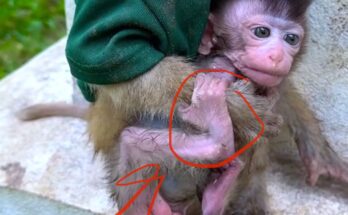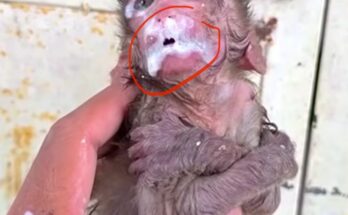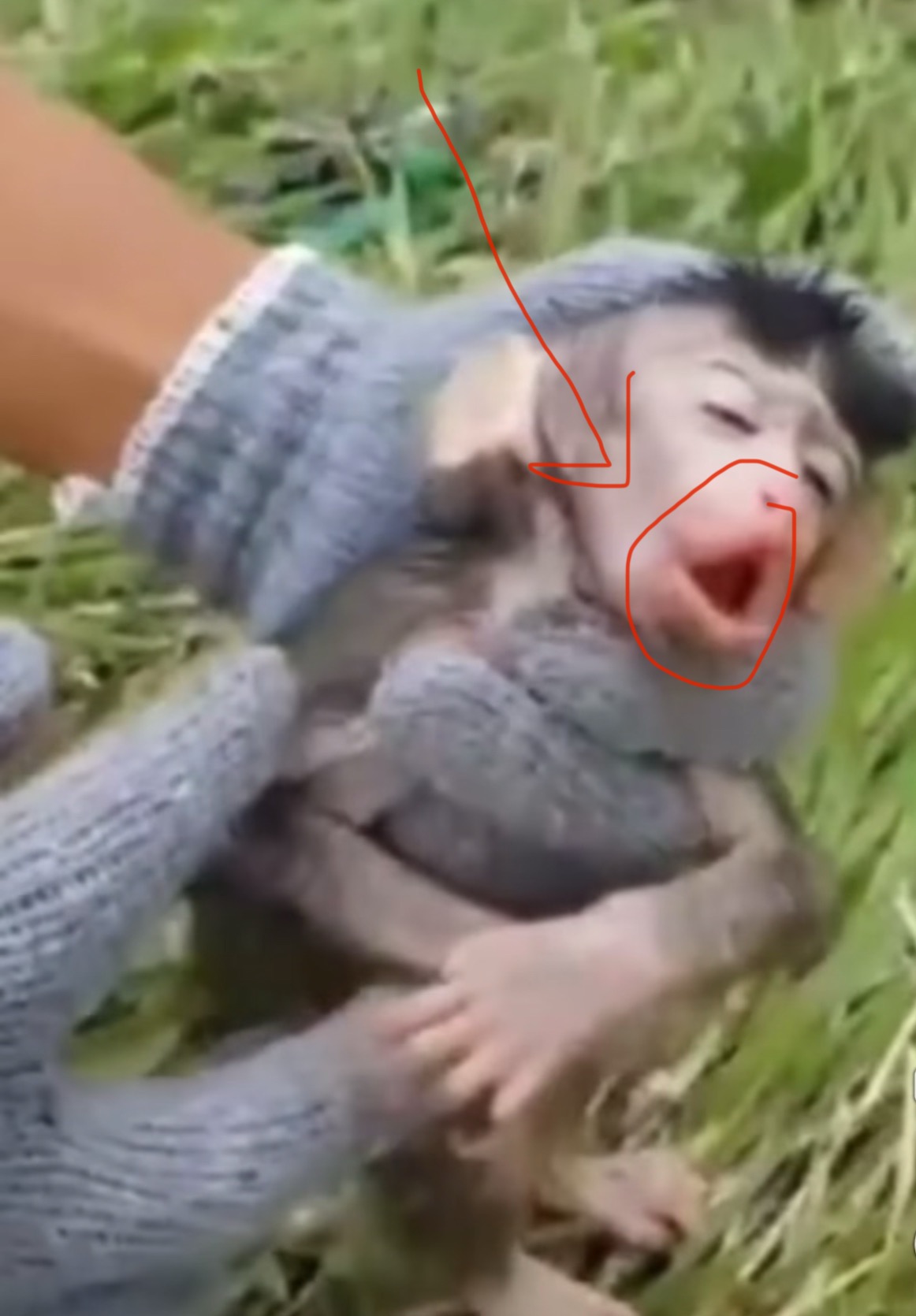
Encounters between wild animals can be unpredictable, but few situations are as surprising—or concerning—as seeing a baby monkey bite a snake. Whether you witness this in the wild, at a sanctuary, or in a rescue setting, it’s important to understand how to respond calmly, safely, and responsibly. Both animals can be at risk of serious harm, and human intervention must be done with care. Here’s what you should do if you ever find yourself facing this rare scenario.
1. Prioritize Human Safety First
Before attempting to help either animal, make sure you are not in danger. Snakes—especially if venomous—can strike defensively, and stressed monkeys may behave unpredictably. Keep a safe distance and avoid sudden movements. Never try to handle a snake unless you are trained to do so. Your safety must come first.
2. Avoid Direct Intervention
As tempting as it may be to jump in and separate the animals, doing so can escalate the situation. The monkey may panic and bite you, and the snake may attack in self-defense. Wildlife professionals advise against direct physical interference because it increases the risk of injury for both humans and animals.
Instead, create noise or distractions from a safe distance. Clapping, shouting, or tapping objects can sometimes startle the animals enough to break their engagement without putting you at risk.
3. Observe the Snake Carefully
If the monkey eventually releases the snake, watch the reptile’s behavior. A non-venomous species may flee quickly. However, if the snake is venomous, slow-moving, or injured, do not approach it. Contact local wildlife control, reptile specialists, or animal rescue services immediately. Injured snakes can be highly dangerous, even when weakened.
4. Assess the Baby Monkey’s Condition
A baby monkey biting a snake is often acting out of fear or instinct, not aggression. However, the monkey could be at serious risk if the snake is venomous. Symptoms of envenomation can include swelling, rapid breathing, muscle weakness, or lethargy. If the monkey shows any unusual behavior, contact a wildlife rescue center, veterinarian specializing in primates, or local conservation authority right away.
Even if the snake was non-venomous, the monkey may have cuts inside its mouth from the snake’s scales or defensive bites. A medical checkup is always recommended.
5. Contact Wildlife Authorities
Any snake–monkey encounter should be handled by professionals. Wildlife experts can safely capture, assess, and treat injured animals. Additionally, they can determine whether the species involved are protected and whether relocation is necessary. Reporting the incident helps promote responsible wildlife management and conservation.
6. Do Not Attempt to Keep or Handle Wildlife
Some people may be tempted to rescue or keep the animals involved, especially the baby monkey. This is not only unsafe but often illegal. Both monkeys and many snake species are protected by wildlife laws and require specialized care that only licensed professionals can provide.
Final Thoughts
Seeing a baby monkey bite a snake is a startling and uncommon event, but your response should always be guided by safety, caution, and respect for wildlife. By keeping your distance, avoiding direct intervention, and contacting trained experts, you help ensure the best possible outcome for both animals. In nature, conflicts are inevitable—but responsible human action can prevent unnecessary harm and support healthier ecosystems.