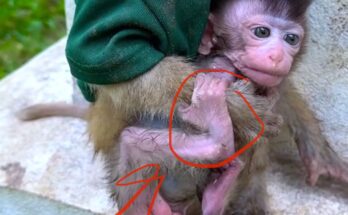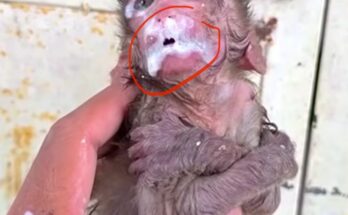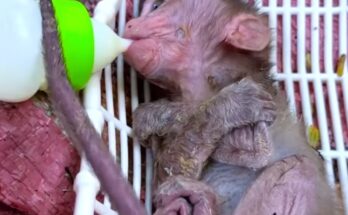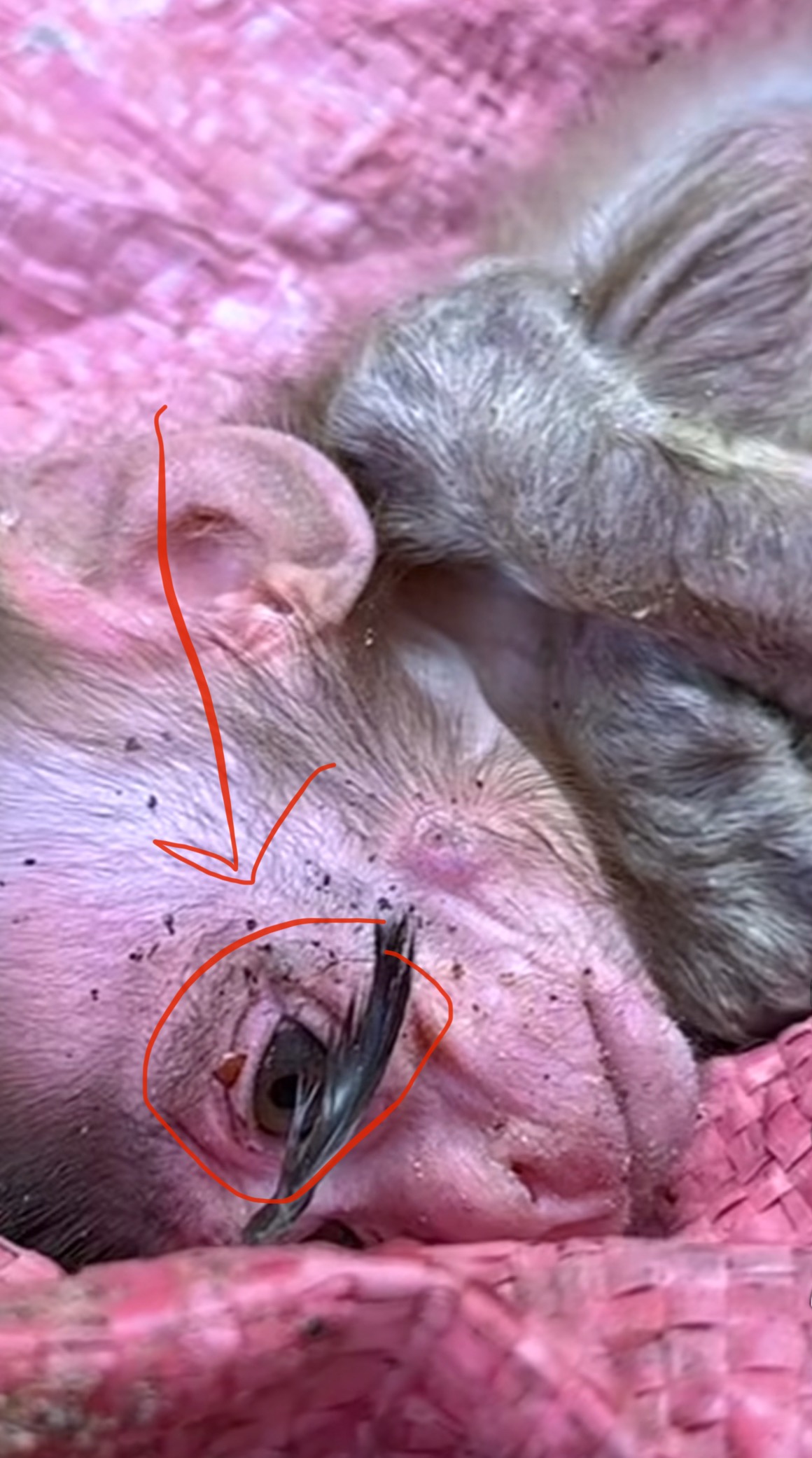
Fear is a natural survival instinct, but for newborn monkeys, life begins in a complex and often dangerous environment. Surrounded by unfamiliar sights, sounds, heights, and social dynamics, infant monkeys might seem destined to be fearful. Yet, most newborn monkeys show remarkable calmness and adaptability in their earliest days. Several biological, social, and environmental factors work together to help them feel secure and reduce fear during this critical stage of life.
1. Strong Maternal Bond
The most important factor that helps newborn monkeys avoid fear is the close bond with their mother. From the moment of birth, infant monkeys cling tightly to their mother’s body. Her warmth, heartbeat, smell, and movements provide constant reassurance. This physical closeness creates a sense of safety and reduces stress. The mother also acts as a protective shield, keeping the infant away from predators and threats. When danger approaches, the baby relies entirely on the mother’s reactions rather than its own fear response.
2. Instinctive Clinging and Reflexes
Newborn monkeys are born with powerful grasping reflexes. Their hands and feet can tightly grip fur or branches almost immediately after birth. This instinctive ability prevents falls and gives them physical security, especially in tree-dwelling species. Because they can hold on without effort, they are less likely to experience panic or fear related to height or movement.
3. Gradual Exposure to the Environment
Rather than being forced to face the world alone, newborn monkeys are slowly introduced to their surroundings. While carried by their mothers, they observe the environment from a safe position. Over time, this passive exposure helps them become familiar with sounds, other group members, and daily activities. Familiarity reduces fear, allowing learning to occur without overwhelming stress.
4. Social Protection from the Group
Many monkey species live in tightly bonded social groups. These groups provide additional protection and reassurance for newborns. Other females, siblings, or even dominant males may help guard the infant. This shared responsibility reduces threats and creates a stable environment. The presence of calm, experienced adults also signals safety to the newborn.
5. Limited Awareness of Danger
Interestingly, newborn monkeys do not fully understand danger at birth. Their brains are still developing, and fear responses linked to risk assessment mature later. This limited awareness allows them to remain calm in situations that might frighten older juveniles or adults. As they grow, fear gradually develops alongside learning and experience.
6. Comfort Through Touch and Grooming
Physical contact plays a crucial role in emotional regulation. Mothers and other group members often groom and touch newborns gently. This contact lowers stress hormones and promotes feelings of comfort and security. Touch is a powerful natural tool that helps prevent anxiety in infant monkeys.
Conclusion
Newborn monkeys are not fearless by chance. Their calmness is the result of evolutionary adaptations, strong maternal bonds, social support, and gradual learning. Together, these factors create a protective emotional and physical environment that allows young monkeys to grow, learn, and eventually face the challenges of the wild with confidence.