Monkey fur plays a vital role in protecting primates from harsh climates, regulating body temperature, and providing sensory input. While it may seem like a simple biological feature, numerous factors influence how monkey fur grows, its texture, length, and density. Understanding these factors gives valuable insight into primate health, evolution, and adaptation. Below are the key elements that contribute to the growth and characteristics of monkey fur.
1. Genetics and Species Differences
Genetics are the most significant factor determining monkey fur growth. Each species has a unique genetic makeup that dictates fur length, texture, color, and density. For instance, woolly monkeys have thick, dense fur designed for cold mountain environments, while vervet monkeys have shorter coats suited to warmer regions. Even within a single species, genetic variation can influence subtle differences in fur patterns and coloration.
2. Environmental and Climate Conditions
The environment in which a monkey lives heavily affects its fur growth. Monkeys in colder climates often develop thicker, longer fur to help retain body heat. This adaptation acts as insulation against chilly temperatures and harsh winds. Conversely, monkeys living in tropical rainforests may have shorter or more breathable fur to prevent overheating. Seasonal changes also influence fur growth; some species grow thicker coats during cold months and shed them when temperatures rise.
3. Nutrition and Diet Quality
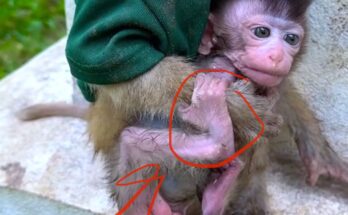
A monkey’s diet directly impacts its overall health, including the condition of its fur. Nutrients such as proteins, vitamins (particularly A, D, and E), essential fatty acids, and minerals support healthy hair growth and repair. Monkeys with access to a rich, diverse diet tend to have shinier, stronger fur. In contrast, malnutrition or nutrient deficiencies can lead to dull, brittle, or patchy fur, indicating poor health.
4. Hormonal Changes
Hormones regulate many bodily functions in primates, including fur growth. Changes in hormone levels due to age, reproductive cycles, stress, or illness can affect fur density and shedding patterns. For example, pregnant or nursing female monkeys may experience shifts in hormone levels that temporarily alter fur growth. Stress hormones like cortisol can also slow fur production or lead to excess shedding.
5. Parasites and Skin Health
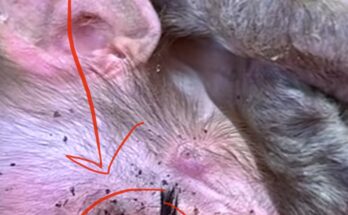
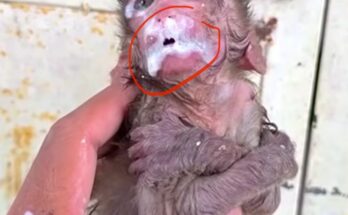
Skin health is essential for proper fur growth. Parasites such as mites, fleas, and ticks can irritate the skin, leading to scratching, hair loss, or uneven fur growth. Fungal or bacterial infections can also damage hair follicles, affecting the monkey’s coat. In healthy monkeys, regular grooming—often performed socially—helps remove debris and parasites, keeping the skin clean and promoting strong, even fur growth.
6. Age and Development Stages
Fur characteristics change naturally as monkeys grow. Infants often have softer or differently colored fur that helps them blend into their surroundings or stay warm. As they mature, their fur adopts adult traits, including color shifts, texture changes, or pattern development. Older monkeys may experience thinning fur or slower regrowth due to aging follicles.
7. Social and Grooming Behavior
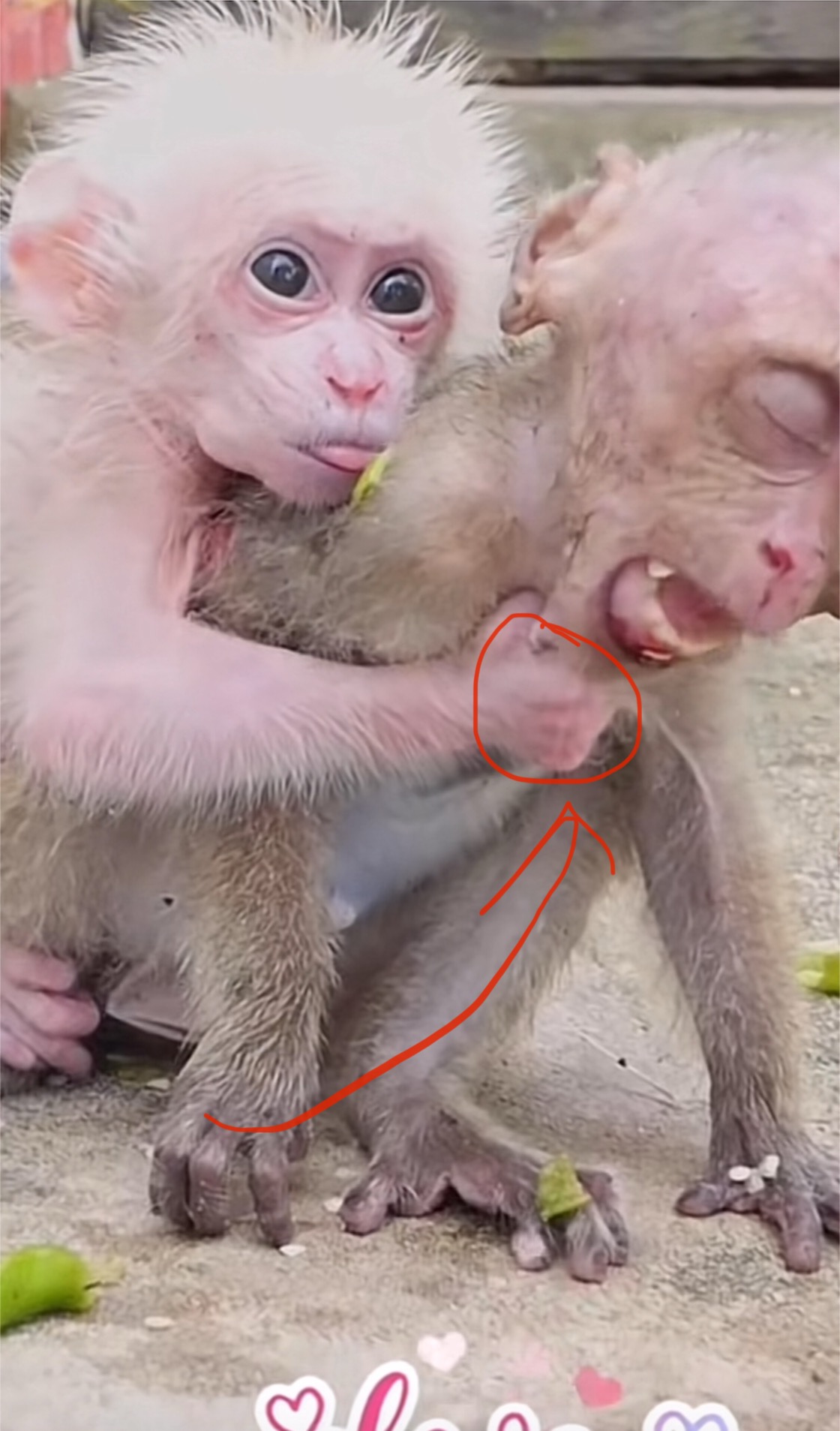
Grooming is a crucial social activity among many monkey species. It helps maintain fur quality by removing loose hairs, parasites, and dirt. Grooming also distributes natural oils that keep the coat healthy and shiny. In species with strong social bonds, grooming enhances both fur health and group cohesion.
Monkey fur growth is shaped by a complex mix of genetics, environment, diet, hormones, skin health, and social behavior. These factors work together to ensure monkeys remain protected, healthy, and well-adapted to their habitats. Understanding these influences not only sheds light on monkey biology but also highlights the intricate balance between primates and their environments.