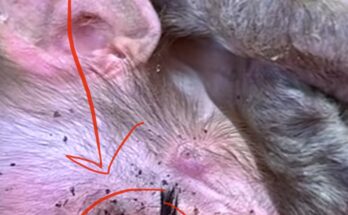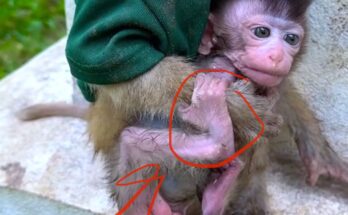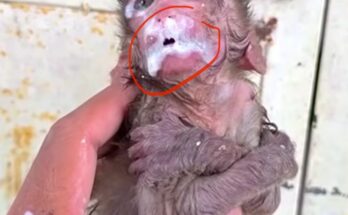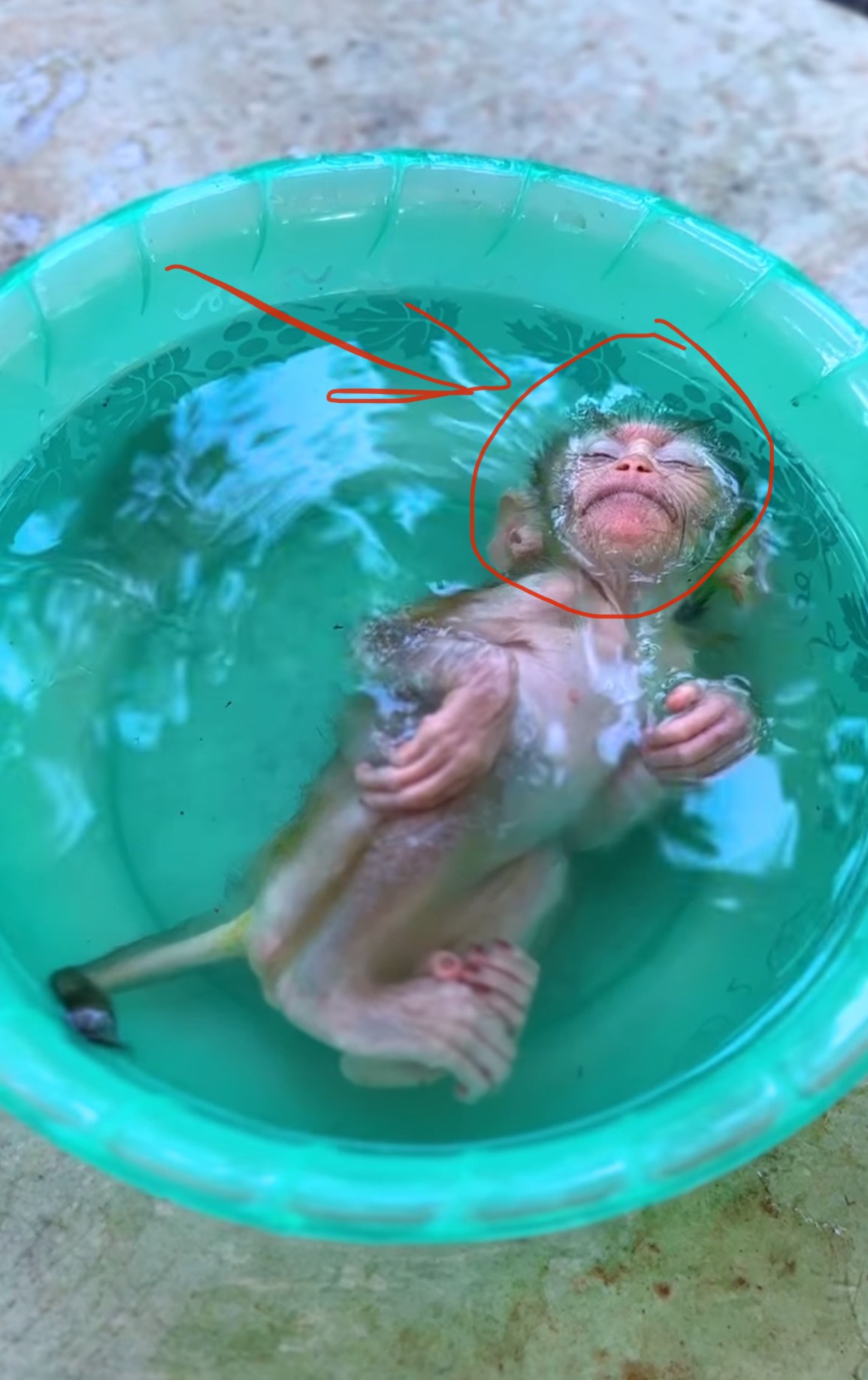
Soaking newborn monkeys in hot water is a practice that raises serious scientific, ethical, and welfare concerns. Newborn primates are among the most vulnerable animals in the natural world, and any exposure to extreme or unnatural conditions can cause lasting harm. Understanding why this action is dangerous helps highlight broader issues around animal care, conservation, and responsible human behavior.
1. Extreme Physical Vulnerability of Newborn Monkeys
Newborn monkeys are not physically equipped to regulate their body temperature effectively. Unlike adult primates, they rely heavily on their mothers for warmth and protection. Hot water exposure can overwhelm their delicate systems, leading to rapid stress responses, shock, or organ strain. Even short exposure to excessive heat can disrupt normal breathing, circulation, and hydration balance.
2. Risk of Severe Injury and Developmental Damage
Early life is a critical period for growth. Any physical trauma during this stage may interfere with brain development, muscle coordination, and immune system function. Exposure to hot water can damage sensitive skin, weaken natural protective barriers, and increase the risk of infections later on. These effects may not always be immediately visible but can result in long-term health complications.
3. Psychological Stress and Behavioral Consequences
Primates are highly intelligent and emotionally complex animals. Newborn monkeys experience stress responses even at a very early age. Forced immersion in hot water can trigger intense fear and distress, potentially affecting how the animal responds to caregivers and its environment as it grows. Long-term behavioral issues such as anxiety, withdrawal, or abnormal social behavior can result from early trauma.
4. Separation From Natural Maternal Care
In the wild and in ethical captive environments, newborn monkeys depend on constant physical contact with their mothers. Removing a newborn for such treatment disrupts bonding, feeding routines, and emotional security. This separation alone can be harmful, even without the added danger of hot water exposure.
5. Ethical and Animal Welfare Concerns
From an ethical standpoint, subjecting newborn animals to harmful conditions violates widely accepted animal welfare principles. Most animal care guidelines emphasize minimizing stress, pain, and unnecessary interference, especially for infants. Practices that cause suffering without medical or conservation justification are considered unethical by veterinarians, conservationists, and animal welfare organizations.
6. Legal and Conservation Implications
In many regions, harming primates—especially infants—is illegal due to animal protection and wildlife conservation laws. Monkeys are often protected species, and abusive practices can contribute to population decline and public mistrust in animal-related industries or research.
7. Misinformation and Dangerous Practices
Sometimes such actions stem from misinformation or misguided beliefs about hygiene, health, or training. However, there is no scientific evidence supporting hot water soaking as beneficial for newborn monkeys. Instead, proper veterinary care, natural rearing, and humane handling are the only safe and responsible approaches.
Conclusion
Soaking newborn monkeys in hot water poses serious physical, psychological, ethical, and legal problems. Protecting vulnerable animals requires knowledge, compassion, and respect for their natural needs. Raising awareness about the dangers of such practices is essential for promoting humane treatment and ensuring the well-being of primates worldwide.