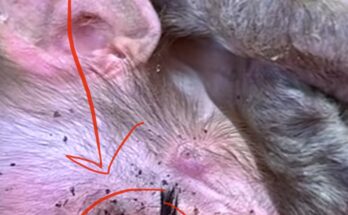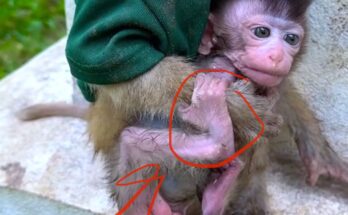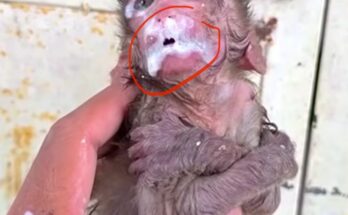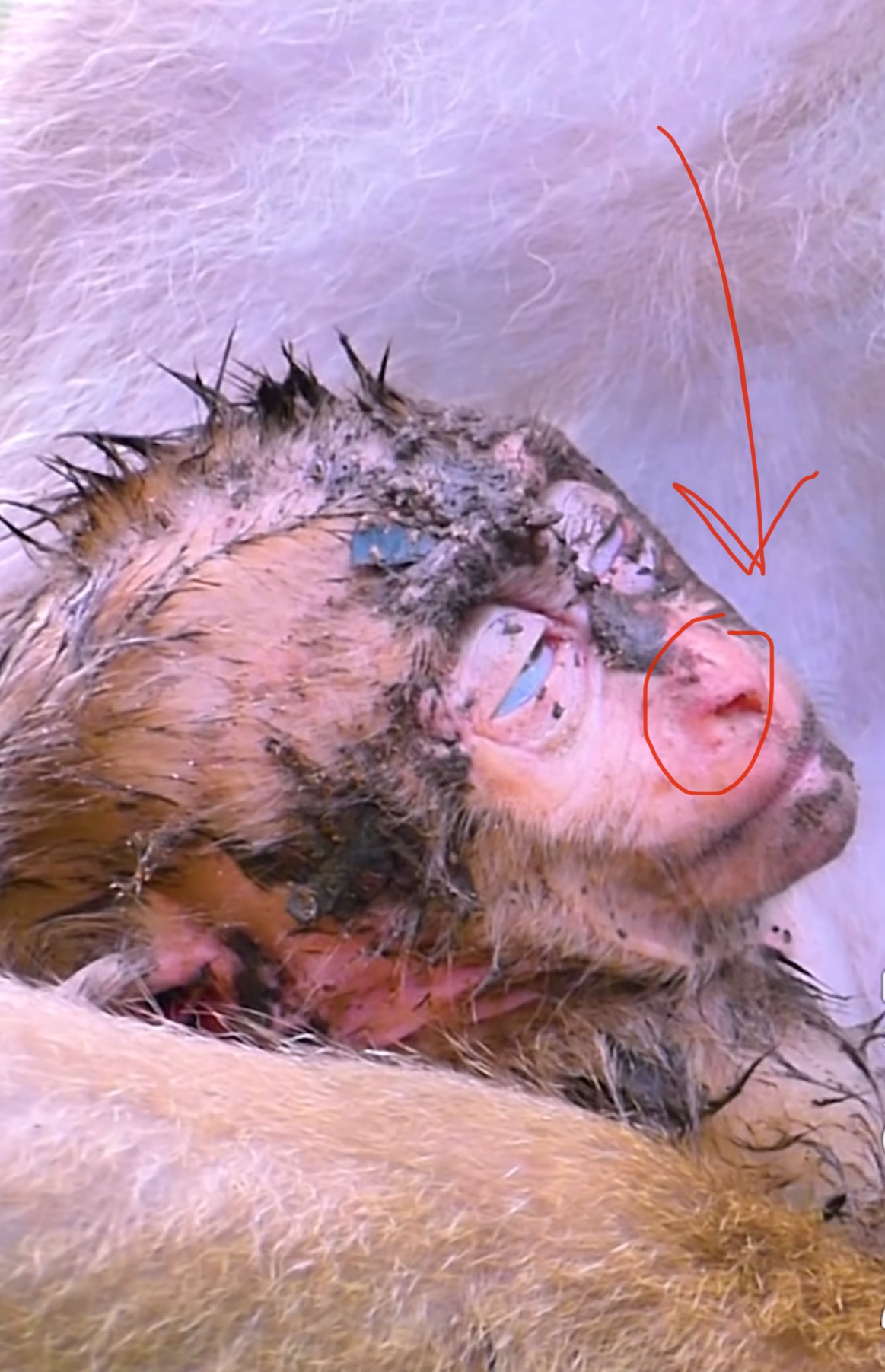
A heartbreaking incident involving a newborn monkey has drawn attention to the increasing dangers faced by wildlife living close to human settlements. The infant monkey reportedly died instantly after coming into contact with an exposed electric wire, underscoring the urgent need for safer infrastructure and greater awareness about protecting animals in shared environments.
The incident occurred in an area where electric lines run close to trees and rooftops—spaces that monkeys often use for movement and shelter. According to local accounts, the newborn was with its mother when it accidentally touched a live wire. The shock was fatal, and despite immediate distress from the troop, nothing could be done to save the young animal. The event left onlookers shaken and sparked conversations about the silent threats urban development poses to wildlife.
As cities expand, natural habitats continue to shrink. Many animals, including monkeys, are forced to adapt by living near people, often climbing electric poles, wires, and buildings to navigate their surroundings. While these adaptations show remarkable resilience, they also expose animals to hazards that did not exist in their natural habitats. Poorly insulated or damaged electric wires are among the most dangerous of these risks.
Wildlife experts note that infant animals are particularly vulnerable. Newborn monkeys rely entirely on their mothers and lack the awareness or physical coordination to avoid man-made dangers. Even a brief contact with exposed electrical equipment can result in fatal injuries. Such incidents often go unnoticed beyond local communities, but they occur more frequently than many realize.
This tragedy has renewed calls for better coordination between electricity departments, local governments, and wildlife authorities. Simple measures—such as insulating wires, rerouting lines away from trees, and regularly inspecting infrastructure—can significantly reduce accidents. In some regions, installing wildlife-friendly power line coverings has already proven effective in preventing electrocution of birds and mammals.
Community awareness also plays a crucial role. Residents can report exposed or damaged wires promptly and discourage actions that draw animals closer to dangerous areas, such as feeding monkeys near power lines. Educating the public about coexistence with urban wildlife can help create safer spaces for both animals and people.
Animal welfare organizations emphasize that while such incidents are accidental, they are largely preventable. Each loss represents not just the death of an individual animal, but a warning sign of deeper issues in how urban spaces are designed and maintained. For species already under pressure from habitat loss and environmental change, preventable deaths can have long-term impacts on local populations.
The death of the newborn monkey serves as a somber reminder that development must go hand in hand with responsibility. By taking proactive steps to secure electrical infrastructure and considering the needs of wildlife, communities can help prevent similar tragedies in the future and promote a more compassionate balance between human progress and the natural world.