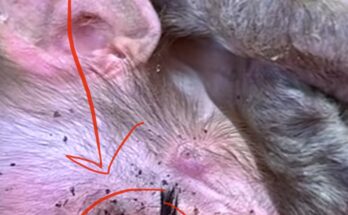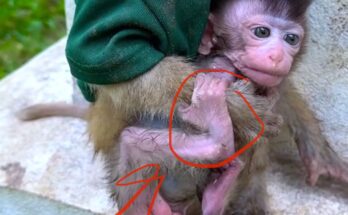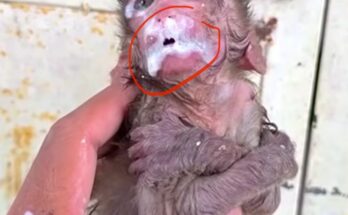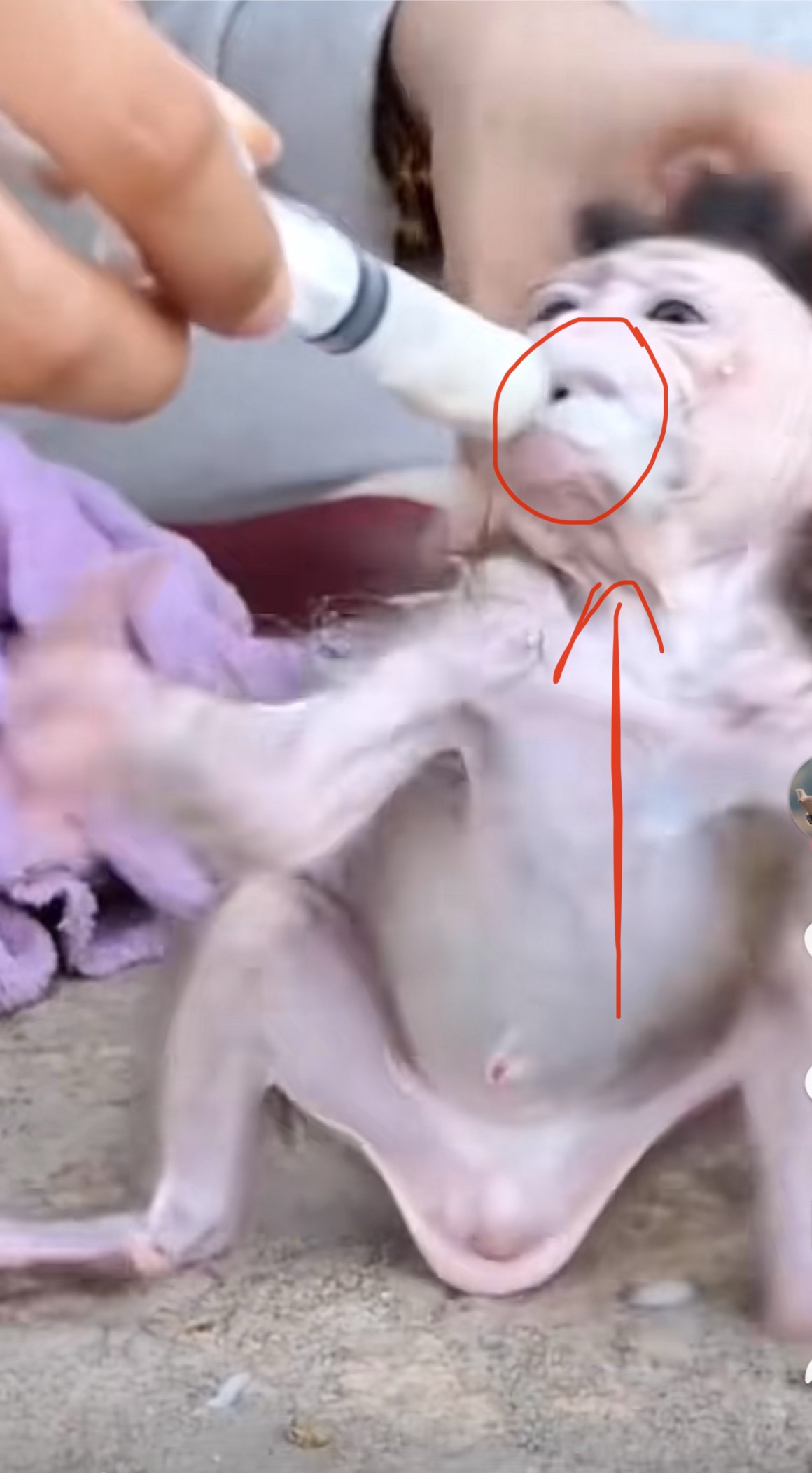
Caring for newborn monkeys requires specialized knowledge, patience, and correct feeding techniques. One of the most misunderstood aspects of infant monkey care is milk feeding. While milk is essential for survival, giving milk to newborn monkeys without proper technique can lead to severe health complications and even death. This tragic outcome often occurs due to well-meaning but uninformed human intervention.
Why Newborn Monkeys Are Extremely Vulnerable
Newborn monkeys are biologically fragile. Their immune systems are underdeveloped, their digestive systems are sensitive, and their ability to swallow safely is not fully matured. In the wild, a mother monkey instinctively provides milk in a precise position, quantity, and rhythm. When humans attempt to replicate this process without proper training, mistakes can easily occur.
The Risk of Aspiration and Choking
One of the most common causes of death in improperly fed infant monkeys is aspiration pneumonia. This happens when milk enters the lungs instead of the stomach. Incorrect bottle angles, feeding too quickly, or using inappropriate nipples can cause milk to flow faster than the baby monkey can swallow. Once milk enters the respiratory tract, it can lead to breathing failure, infection, or sudden death.
Digestive Problems and Malnutrition
Not all milk is suitable for newborn monkeys. Cow’s milk, human formula, or homemade mixtures lack the specific nutrients required for primate development. Feeding the wrong type of milk can result in diarrhea, dehydration, bloating, and malnutrition. Even when using correct milk substitutes, incorrect measurements or feeding intervals can overwhelm the digestive system, leading to fatal outcomes.
Temperature and Hygiene Matter
Milk that is too hot or too cold can burn or shock a newborn monkey’s delicate mouth and stomach. Additionally, poor hygiene during feeding—such as unsterilized bottles or contaminated milk—can introduce harmful bacteria. Newborn monkeys have little resistance to infections, making them highly susceptible to fatal illnesses caused by poor sanitation.
Emotional Stress and Improper Handling
Improper feeding is not only a physical danger but also an emotional one. Newborn monkeys depend heavily on warmth, comfort, and bonding during feeding. Rough handling, forced feeding, or lack of physical support can cause stress, weaken immunity, and increase the risk of health complications.
The Importance of Professional Guidance
Feeding orphaned or rescued newborn monkeys should always be done under the guidance of wildlife veterinarians or trained primate caregivers. Proper feeding techniques include correct positioning, slow pacing, appropriate milk formula, and constant monitoring. Education and professional supervision can mean the difference between life and death.
Conclusion
Although feeding milk to newborn monkeys may seem simple, it is a delicate and high-risk task when done incorrectly. Without proper technique, milk feeding can unintentionally cause suffering or death. Raising awareness about these risks is essential to protect vulnerable infant monkeys and ensure their survival through informed and responsible care.