Early life is a critical period for all mammals, but for baby monkeys, proper care is especially essential. From the moment they are born, infant monkeys rely heavily on their mothers and social groups for physical survival, emotional security, and learning essential life skills. When this care is absent or inadequate, the effects can be profound and long-lasting, influencing not only their development but also their ability to function within their species.
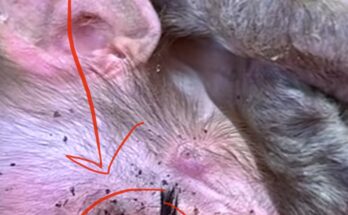
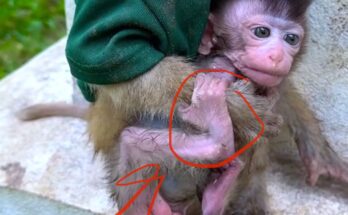
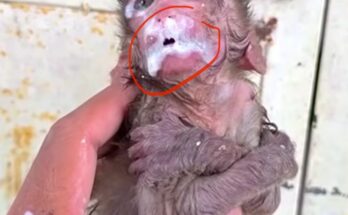
One of the most immediate effects of a lack of care is poor physical development. Baby monkeys depend on their mothers for warmth, nutrition, and protection. Without consistent nursing and contact, infants may suffer from malnutrition, weakened immune systems, and slower growth. In the wild, a neglected infant is also more vulnerable to predators and environmental dangers. Even in captivity, insufficient care can lead to stunted growth and chronic health problems that persist into adulthood.
Beyond physical health, emotional and psychological development is deeply affected by neglect. Monkeys are highly social animals, and early bonding plays a crucial role in shaping their behavior. When baby monkeys are deprived of maternal affection—such as grooming, cuddling, and responsive interaction—they often develop high levels of stress and anxiety. Studies have shown that neglected infant monkeys may exhibit abnormal behaviors, including rocking, self-clutching, or excessive fearfulness. These behaviors are signs of emotional distress and difficulty coping with their environment.
Social development is another area severely impacted by lack of care. Young monkeys learn how to interact with others by observing and engaging with their mothers and troop members. Through play and social interaction, they develop communication skills, understand social hierarchies, and learn appropriate responses to conflict. Without this guidance, neglected monkeys may struggle to integrate into social groups. They often show aggression, social withdrawal, or an inability to form healthy bonds, which can lead to isolation or rejection by other monkeys.
Cognitive development is also influenced by early care. Exploration, play, and imitation are key ways baby monkeys learn about their surroundings. A nurturing environment encourages curiosity and problem-solving. In contrast, a lack of stimulation and interaction can hinder brain development, resulting in reduced learning ability and poor adaptability. These cognitive limitations may affect a monkey’s ability to find food, avoid danger, or adjust to changes later in life.
Ultimately, the absence of proper care during infancy can shape the entire life trajectory of a monkey. The combined effects on physical health, emotional stability, social skills, and cognitive ability highlight how vital early nurturing is. Understanding these impacts not only deepens our knowledge of primate behavior but also emphasizes the importance of ethical care and conservation efforts. Providing baby monkeys with attentive, compassionate care is not just beneficial—it is essential for their healthy development and well-being.