Intestinal inflammation is a serious health concern in baby monkeys, especially because their digestive and immune systems are still developing. Whether raised in the wild, in sanctuaries, or under human care, infant primates are highly vulnerable to infections, stress, dietary changes, and parasites—all of which can trigger inflammation in the gastrointestinal tract. Early recognition is essential, as delayed treatment can lead to dehydration, nutritional deficiencies, or even life-threatening complications. Below are the key symptoms that may indicate a baby monkey is suffering from intestinal inflammation.
1. Persistent Diarrhea
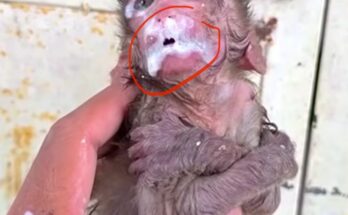
One of the most noticeable signs is frequent, loose, or watery stools. In some cases, the diarrhea may contain mucus or take on an unusually foul odor, signaling irritation inside the intestines. Because baby monkeys have small bodies and limited fluid reserves, diarrhea can quickly lead to dehydration, making this symptom especially urgent.
2. Abdominal Swelling or Tenderness
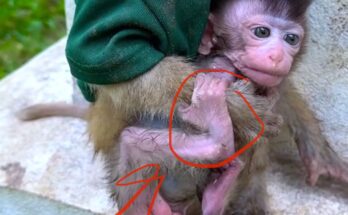
Inflammation often causes the abdomen to appear bloated or distended. A caregiver may observe the infant monkey guarding its stomach or reacting negatively when the belly is touched. This discomfort can also make the baby reluctant to be held or groomed by others in its group.
3. Loss of Appetite
A healthy baby monkey typically has a strong appetite due to rapid growth and high energy needs. When intestinal inflammation sets in, the monkey may refuse milk or solid food, eat much slower than usual, or stop feeding altogether. A drop in appetite lasting more than a few hours should be taken seriously.
4. Lethargy and Weakness
Because intestinal inflammation interferes with nutrient absorption, affected infants often show reduced activity, fatigue, or sluggish movements. They may cling more tightly to their mother or caregiver or spend longer periods curled up rather than exploring or playing—a major behavioral change in normally energetic young monkeys.
5. Vomiting
Although not as common as diarrhea, vomiting can accompany inflammation, particularly if the condition is caused by a bacterial infection or food intolerance. Repeated vomiting prevents the baby monkey from retaining fluids and calories, increasing the risk of rapid deterioration.
6. Weight Loss or Poor Growth
Over time, intestinal inflammation hinders proper digestion and nutrient uptake. Caregivers may notice visible weight loss, prominent ribs, or a failure to gain weight at the expected rate. In young primates, even slight growth delays are significant and should prompt immediate evaluation.
7. Changes in Stool Color or Consistency
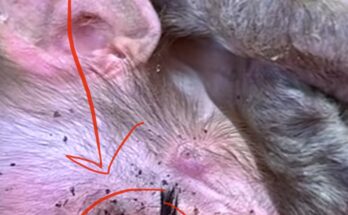
Any unusual stool pattern—such as pale, greenish, or bloody stools—can signal underlying inflammation. Blood in the stool, even in tiny amounts, is an urgent warning sign that the intestinal lining may be damaged.
8. Dehydration Signs
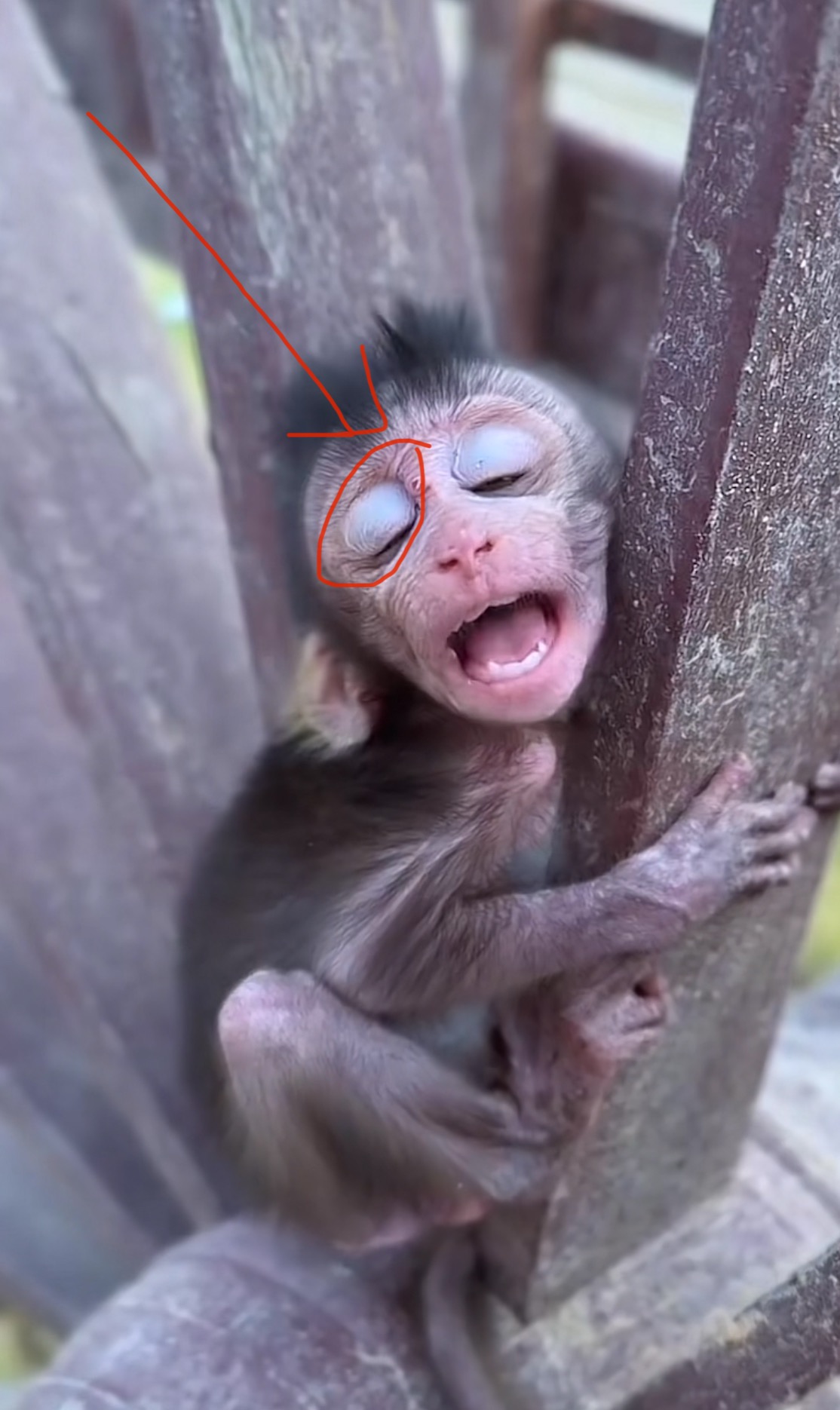
Because dehydration develops quickly, it is important to watch for dry mouth, sunken eyes, reduced skin elasticity, or decreased urination. These symptoms often accompany severe intestinal issues and require fast intervention.
Conclusion
Recognizing early warning signs of intestinal inflammation in baby monkeys can make a life-saving difference. Symptoms such as diarrhea, abdominal discomfort, appetite loss, and behavioral changes should never be ignored. Prompt veterinary care ensures proper diagnosis and treatment, helping young primates recover quickly and grow into healthy adults.