Proper nutrition is essential for the healthy growth and survival of newborn monkeys. In the wild and in captivity, infant monkeys depend heavily on their mother’s milk during the early stages of life. When this nutrition is insufficient or imbalanced, clear physical and behavioral symptoms can appear. Recognizing these signs early is critical for improving survival rates and supporting healthy development.
One of the most noticeable signs of nutrient deficiency in newborn monkeys is poor weight gain. Healthy infants grow rapidly during the first weeks of life. If a newborn appears unusually small, thin, or fails to gain weight over time, it may indicate inadequate intake of calories, protein, or essential fats. In severe cases, the ribs or spine may become visible, signaling malnutrition.
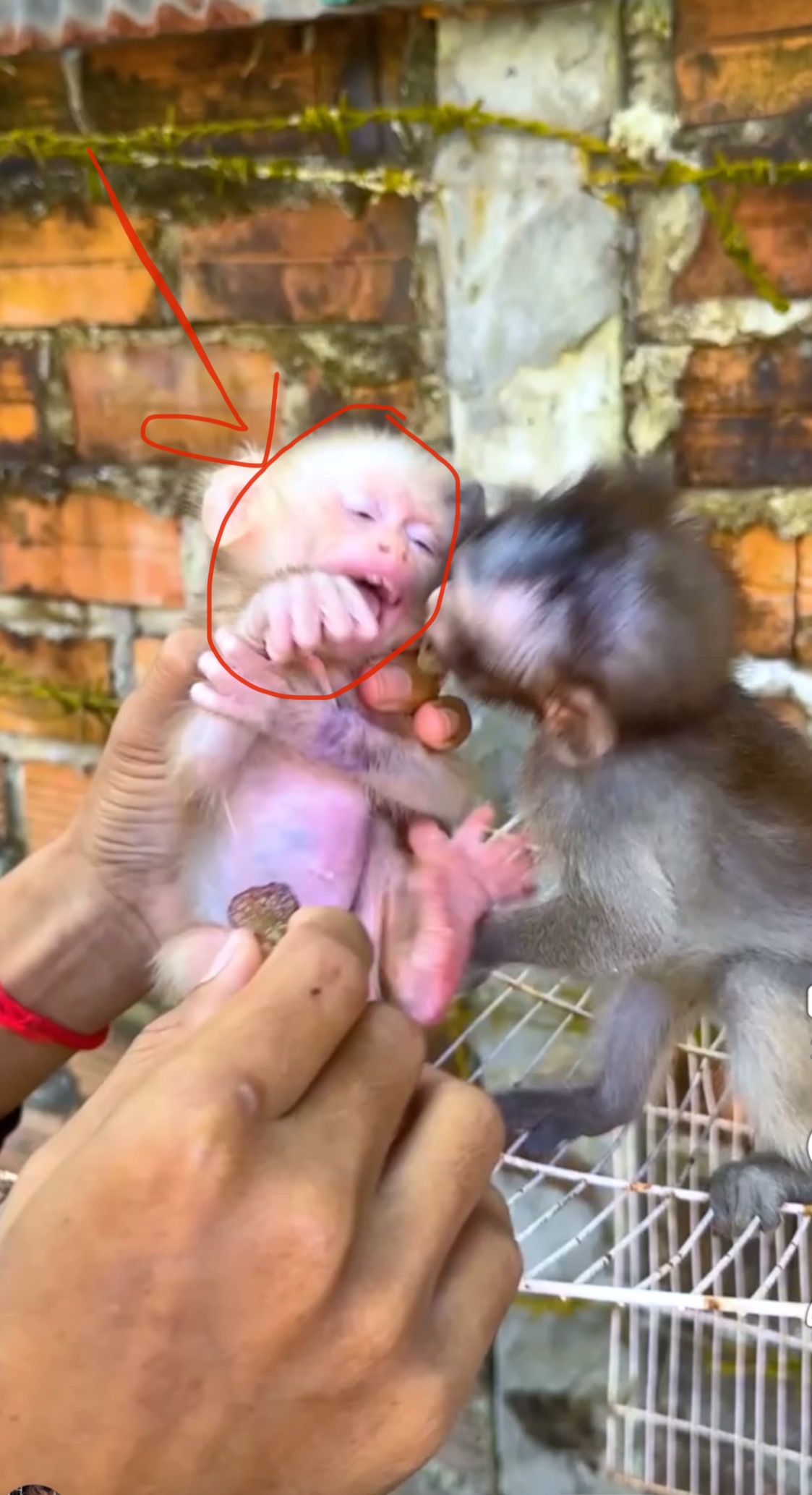
Another common symptom is weakness and low energy levels. Nutrient-deficient newborn monkeys often appear lethargic and inactive. They may struggle to cling to their mother, have difficulty nursing, or spend excessive time sleeping. This weakness can be linked to a lack of carbohydrates, iron, or other vital nutrients needed for muscle strength and energy production.
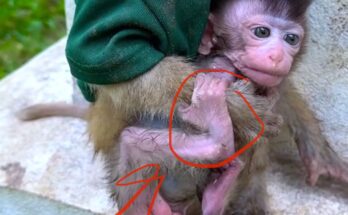
Poor muscle tone and delayed motor development are also warning signs. Healthy newborn monkeys gradually develop the ability to grip, crawl, and move confidently. When nutrients such as protein, calcium, or phosphorus are lacking, muscle and bone development may be delayed. This can result in floppy limbs, weak grip strength, or difficulty maintaining balance.
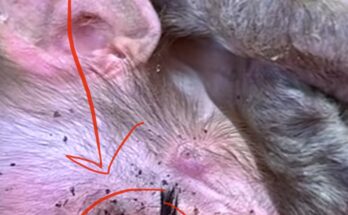
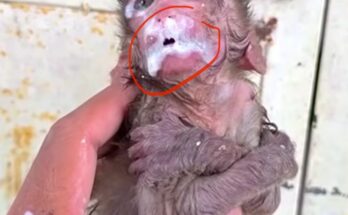
Changes in fur and skin condition can indicate nutritional problems as well. Newborn monkeys with nutrient deficiencies may have thin, dull, or patchy fur. The skin may appear dry, flaky, or unusually pale. Deficiencies in vitamins like biotin, vitamin A, or essential fatty acids often affect skin and coat health.
Digestive issues are another important indicator. Frequent diarrhea, bloating, or constipation may suggest that the newborn is not receiving proper nutrients or is unable to absorb them effectively. Prolonged digestive problems can worsen malnutrition by preventing the body from using available nutrients efficiently.
A weakened immune response is a serious consequence of nutrient deficiency. Newborn monkeys that lack key vitamins and minerals—such as zinc, iron, or vitamin C—may become sick more often or take longer to recover from minor infections. Recurrent respiratory or gastrointestinal illnesses can be a red flag for underlying nutritional problems.
Behavioral signs can also provide clues. Nutrient-deficient infants may cry excessively, show signs of irritability, or appear disoriented. In contrast, some may become unusually quiet and unresponsive. These changes can be linked to deficiencies in nutrients that support brain development, including omega-3 fatty acids and certain B vitamins.
In conclusion, symptoms of nutrient deficiency in newborn monkeys often affect growth, energy, physical development, immunity, and behavior. Early recognition of these signs allows caregivers, veterinarians, and wildlife professionals to intervene with appropriate nutritional support. Ensuring adequate maternal nutrition, proper nursing, and timely supplementation when necessary is essential for giving newborn monkeys a healthy start to life.