Ringworm is a common fungal infection that can affect many animals, including baby monkeys. Despite its name, ringworm is not caused by worms but by dermatophyte fungi that infect the skin, hair, or nails. In young monkeys, especially infants with developing immune systems, ringworm can spread quickly and cause discomfort if not recognized early. Understanding the symptoms is essential for caretakers, breeders, wildlife rehabilitators, and pet owners to ensure prompt treatment and prevent transmission to other animals or humans.
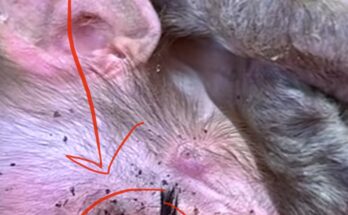
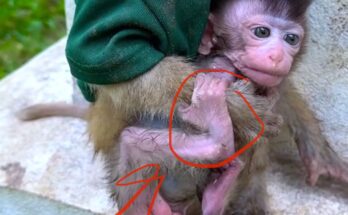
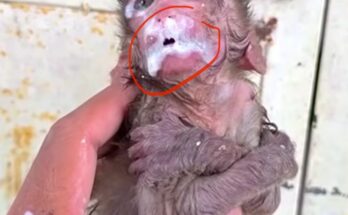
One of the earliest and most noticeable symptoms of ringworm in a baby monkey is hair loss. This hair loss often appears in circular or irregular patches, which is why the infection is commonly called “ringworm.” The affected areas may look thin, bald, or uneven compared to the surrounding fur. In baby monkeys, hair loss is frequently seen on the face, scalp, ears, arms, or tail, but it can occur anywhere on the body.
Another key sign is the appearance of scaly or crusty skin. The skin in the affected areas may become dry, flaky, and rough to the touch. In some cases, a raised border forms around the lesion, creating a ring-like pattern with clearer skin in the center. This scaly texture is a strong indicator of a fungal infection rather than a simple skin irritation or allergy.
Redness and inflammation are also common symptoms. The infected skin may appear pink, red, or darker than the surrounding area, depending on the monkey’s natural skin tone. Inflammation can make the area look swollen or irritated. Baby monkeys may be more sensitive to this discomfort and react strongly when the affected area is touched.
Itching is another important symptom to watch for. A baby monkey with ringworm may scratch, rub, or bite at the infected areas more frequently than usual. Excessive scratching can lead to broken skin, which increases the risk of secondary bacterial infections. Caretakers may notice the baby becoming restless, fussy, or unable to sleep comfortably due to persistent itching.
In some cases, ringworm can cause changes in behavior. Affected baby monkeys may become less active, more irritable, or reluctant to be handled. This behavioral shift is often a response to ongoing discomfort or pain from the skin lesions. Reduced appetite may also occur, particularly if the infection is widespread or severe.
As the infection progresses, the lesions may spread to other parts of the body or grow larger if left untreated. Multiple circular patches may appear, merging into larger areas of hair loss and irritation. Because ringworm is highly contagious, symptoms may also start appearing in other animals or humans in close contact with the baby monkey.
Recognizing these symptoms early is crucial. If a baby monkey shows signs of hair loss, scaly skin, redness, itching, or unusual behavior, veterinary evaluation should be sought immediately. Early diagnosis and proper antifungal treatment can help the baby monkey recover quickly, reduce discomfort, and prevent the spread of ringworm to others.