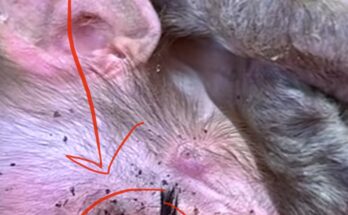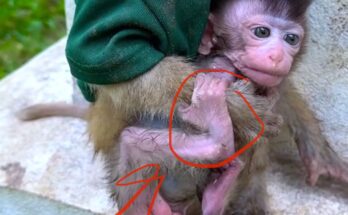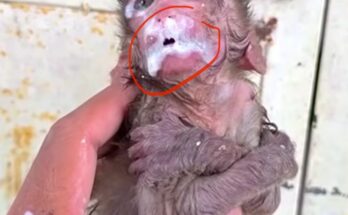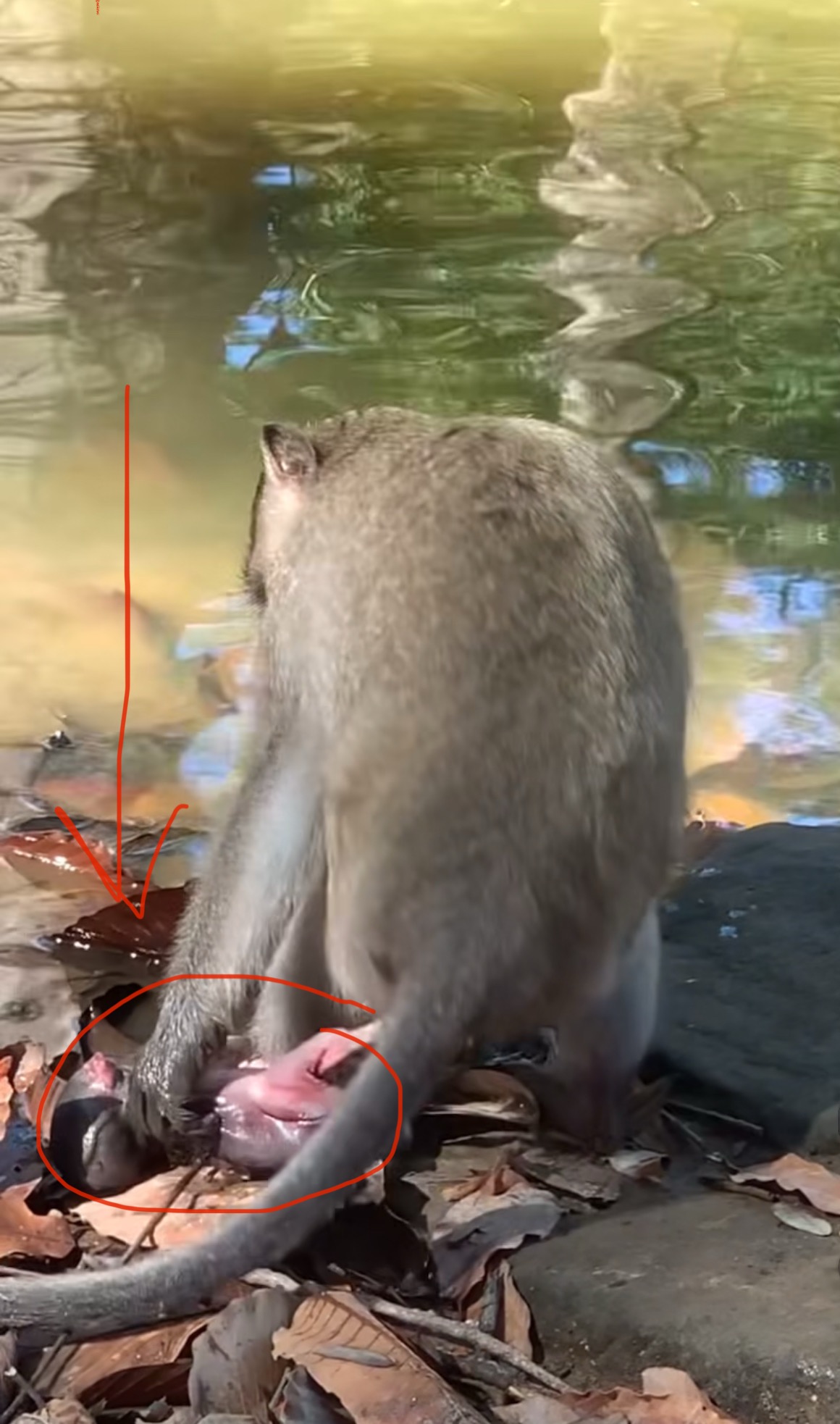
Miscarriage is not only a human reproductive challenge; it also occurs in non-human primates such as monkeys. In the wild and in captivity, pregnancy loss can happen for many reasons, often linked to health, environment, and social conditions. Understanding these problems is important for wildlife conservation, zoo management, and scientific research. Below are some of the main factors that can cause a monkey to miscarry.
1. Nutritional Deficiencies
Proper nutrition is essential for a healthy pregnancy. If a pregnant monkey does not receive enough calories, protein, vitamins, or minerals, the fetus may not develop normally. Deficiencies in nutrients such as iron, calcium, and folic acid can weaken the mother’s body and reduce her ability to support the growing fetus, increasing the risk of miscarriage. This problem is more common in areas where food is scarce or in captive settings with poor dietary planning.
2. Infectious Diseases
Infections are a major cause of miscarriage in monkeys. Viral, bacterial, and parasitic infections can cross the placental barrier and harm the fetus. Diseases such as simian herpes viruses, toxoplasmosis, or bacterial uterine infections may trigger pregnancy loss. In the wild, exposure to pathogens can increase during environmental stress, while in captivity, poor hygiene or close contact with infected animals can raise the risk.
3. Hormonal Imbalances
Hormones play a critical role in maintaining pregnancy. If a monkey experiences hormonal disruptions—such as low progesterone levels—the uterus may not be able to sustain the fetus. Stress, illness, or underlying reproductive disorders can interfere with normal hormone production, leading to miscarriage during early or mid-pregnancy.
4. Physical Trauma and Injury
Injuries caused by falls, fights, or predator attacks can result in pregnancy loss. In social monkey groups, aggression from dominant individuals may physically harm pregnant females. Even without direct injury to the abdomen, severe trauma can cause stress responses in the body that trigger miscarriage.
5. Chronic Stress and Social Pressure
Stress is a powerful factor in reproductive failure. Monkeys living under constant threat—such as competition for food, overcrowding, or social instability—often experience elevated stress hormones like cortisol. High stress levels can reduce blood flow to the uterus and interfere with fetal development, increasing the likelihood of miscarriage.
6. Genetic and Developmental Abnormalities
Some miscarriages occur due to genetic defects in the fetus. Chromosomal abnormalities may prevent normal development, leading the body to naturally terminate the pregnancy. These problems are often unavoidable and may happen even when the mother appears healthy.
7. Environmental Factors
Exposure to toxins, pesticides, pollution, or extreme temperatures can negatively affect pregnancy. In both wild and captive environments, contaminated food or water can introduce harmful substances into the mother’s body, increasing the risk of fetal loss.
Conclusion
Miscarriage in monkeys is usually caused by a combination of health, environmental, and social factors rather than a single issue. Improving nutrition, reducing stress, preventing disease, and maintaining safe living conditions can significantly lower the risk. Understanding these problems helps protect monkey populations and supports healthier pregnancies in both wild and managed settings.