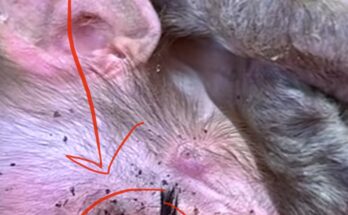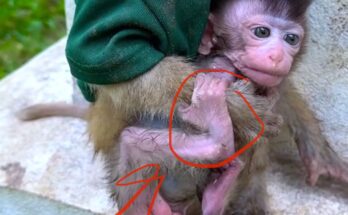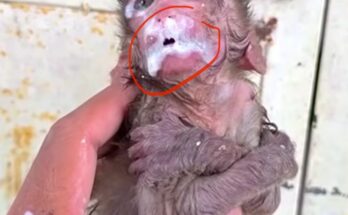
Monkey encephalitis is a term often used to describe viral encephalitis transmitted from animals, particularly monkeys, to humans. Although rare, this condition can be life-threatening and requires immediate medical attention. With increasing human–animal interaction and global travel, awareness of monkey-associated encephalitis has become more important than ever.
What Is Monkey Encephalitis?
Encephalitis refers to inflammation of the brain, usually caused by a viral infection. In cases linked to monkeys, the most well-known cause is the Herpes B virus (Cercopithecine herpesvirus 1), which naturally infects macaque monkeys. While the virus causes mild or no symptoms in monkeys, it can lead to severe neurological illness in humansif transmitted.
Human infection typically occurs through bites, scratches, or contact with monkey saliva or bodily fluids, especially in research labs, zoos, wildlife parks, or forested regions where monkeys live close to people.
How the Infection Spreads
Monkey encephalitis does not spread from person to person in most cases. Transmission usually happens through:
-
Monkey bites or scratches
-
Exposure of broken skin to monkey saliva
-
Contact with contaminated surfaces or tissues
-
Rarely, through mucous membranes such as the eyes or mouth
People working closely with primates, including veterinarians, animal handlers, and laboratory researchers, face the highest risk.
Symptoms to Watch For
Symptoms may appear within a few days to several weeks after exposure. Early signs often resemble the flu, making early diagnosis challenging. Common symptoms include:
-
Fever and chills
-
Headache
-
Muscle pain and fatigue
-
Nausea and vomiting
As the infection progresses, neurological symptoms may develop, such as:
-
Confusion or altered consciousness
-
Difficulty speaking or walking
-
Seizures
-
Paralysis
Without prompt treatment, monkey encephalitis can lead to permanent brain damage or death.
Diagnosis and Treatment
Diagnosis involves a combination of medical history, exposure assessment, blood tests, and cerebrospinal fluid analysis. Imaging tests like MRI may be used to detect brain inflammation.
There is no definitive cure, but antiviral medications—particularly acyclovir—are commonly used and can significantly reduce the severity of the disease if started early. Supportive care in a hospital setting is often required.
Prevention and Safety Measures
Prevention is the most effective defense against monkey encephalitis. Key safety steps include:
-
Avoiding direct contact with wild monkeys
-
Using protective gear when handling primates
-
Immediately washing any bite or scratch with soap and water
-
Seeking medical care after potential exposure
Education and proper safety protocols are essential in areas where humans and monkeys coexist.
Conclusion
Monkey encephalitis may be rare, but its consequences can be devastating. Increased awareness, early recognition of symptoms, and preventive measures can save lives. As human interaction with wildlife continues to grow, understanding zoonotic diseases like monkey encephalitis is crucial for public health and personal safety.