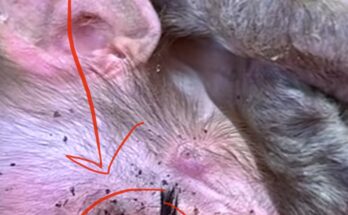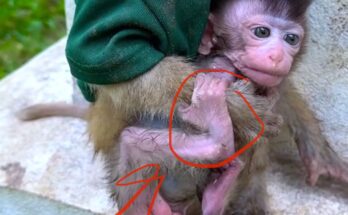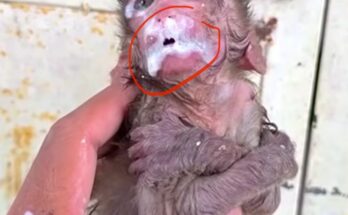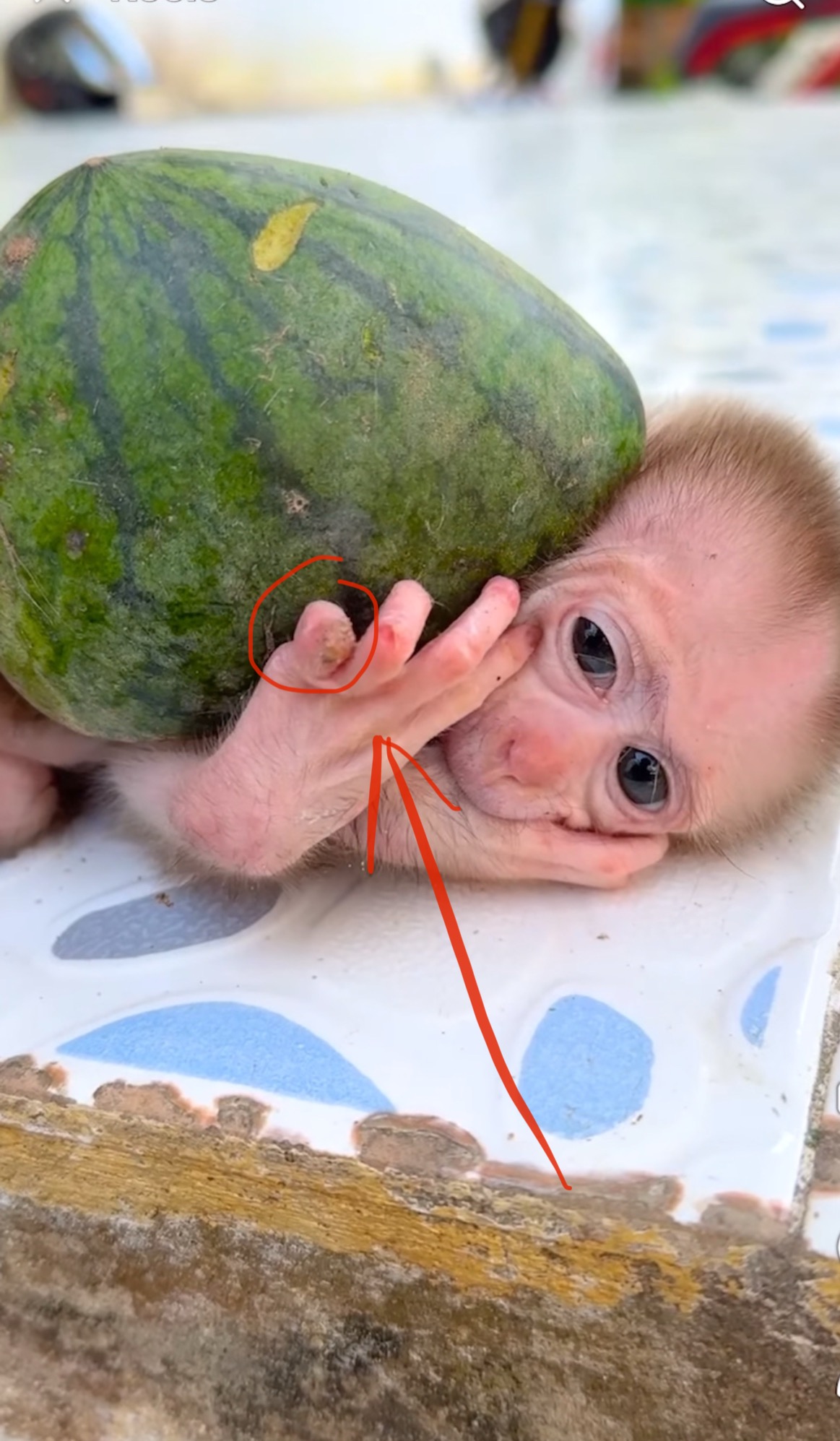
Bacterial infections are a significant health risk for newborn monkeys, especially in wild populations, rescue centers, and breeding facilities. Because infant primates have developing immune systems, even mild infections can become serious if not addressed promptly. Treating these infections requires a careful, ethical, and science-based approach that prioritizes the animal’s welfare and long-term development.
Early Detection and Accurate Diagnosis
The first and most important step in treating bacterial infections in newborn monkeys is early detection. Caregivers and veterinarians closely monitor infants for warning signs such as lethargy, poor feeding, abnormal vocalization, diarrhea, respiratory distress, or fever. Since these symptoms can overlap with non-infectious conditions, accurate diagnosis is essential.
Veterinary professionals may use physical examinations, blood tests, and non-invasive laboratory analyses to identify the presence and type of bacterial infection. Proper diagnosis helps avoid unnecessary treatments and ensures that therapy is appropriate for the specific pathogen involved.
Veterinary-Guided Antibiotic Therapy
When a bacterial infection is confirmed, antibiotics may be used under strict veterinary supervision. The choice of medication depends on the identified bacteria, the infant’s age, and overall health status. In newborn monkeys, treatment plans are designed to be as gentle and targeted as possible to reduce stress and avoid disrupting normal development.
It is important to note that antibiotics are not used casually. Overuse or incorrect use can lead to resistance or harm beneficial bacteria in the gut. For this reason, treatment decisions are always guided by trained professionals and adjusted as the infant responds.
Supportive and Nutritional Care
Supportive care plays a major role in recovery. Newborn monkeys require consistent warmth, hydration, and proper nutrition to help their bodies fight infection. In many cases, ensuring adequate feeding—either through maternal nursing or carefully managed supplemental feeding—can significantly improve outcomes.
Maintaining a low-stress environment is equally important. Stress can weaken immune responses, so caregivers aim to minimize handling and provide quiet, clean, and secure spaces during treatment.
Hygiene and Infection Control
Preventing the spread of bacteria is critical, especially in group settings such as sanctuaries or rehabilitation centers. Strict hygiene practices, including regular cleaning of enclosures, proper waste disposal, and hand sanitation, help protect vulnerable infants. Isolation may be used temporarily for infected newborns to prevent transmission to others.
Monitoring and Long-Term Follow-Up
Treatment does not end once symptoms improve. Continued monitoring ensures that the infection has fully resolved and that the infant is growing and developing normally. Follow-up evaluations also help identify any long-term effects early, allowing for timely intervention.
Ethical and Conservation Considerations
Treating newborn monkeys with bacterial infections is not only a medical responsibility but also an ethical one. Many species face habitat loss and population decline, making infant survival especially important. Responsible, humane, and scientifically informed treatment supports both individual welfare and broader conservation goals.
In summary, managing bacterial infections in newborn monkeys requires early detection, professional veterinary care, strong supportive measures, and ongoing monitoring. A balanced, compassionate approach offers the best chance for healthy recovery and long-term survival.