Newborn monkeys are delicate and depend heavily on proper care during their earliest weeks of life. Whether in the wild, sanctuaries, or responsible breeding programs, ensuring their health requires attention to nutrition, environment, social bonding, and disease prevention. By focusing on these key areas, caretakers can give infant monkeys the best possible start.
1. Proper Nutrition and Feeding
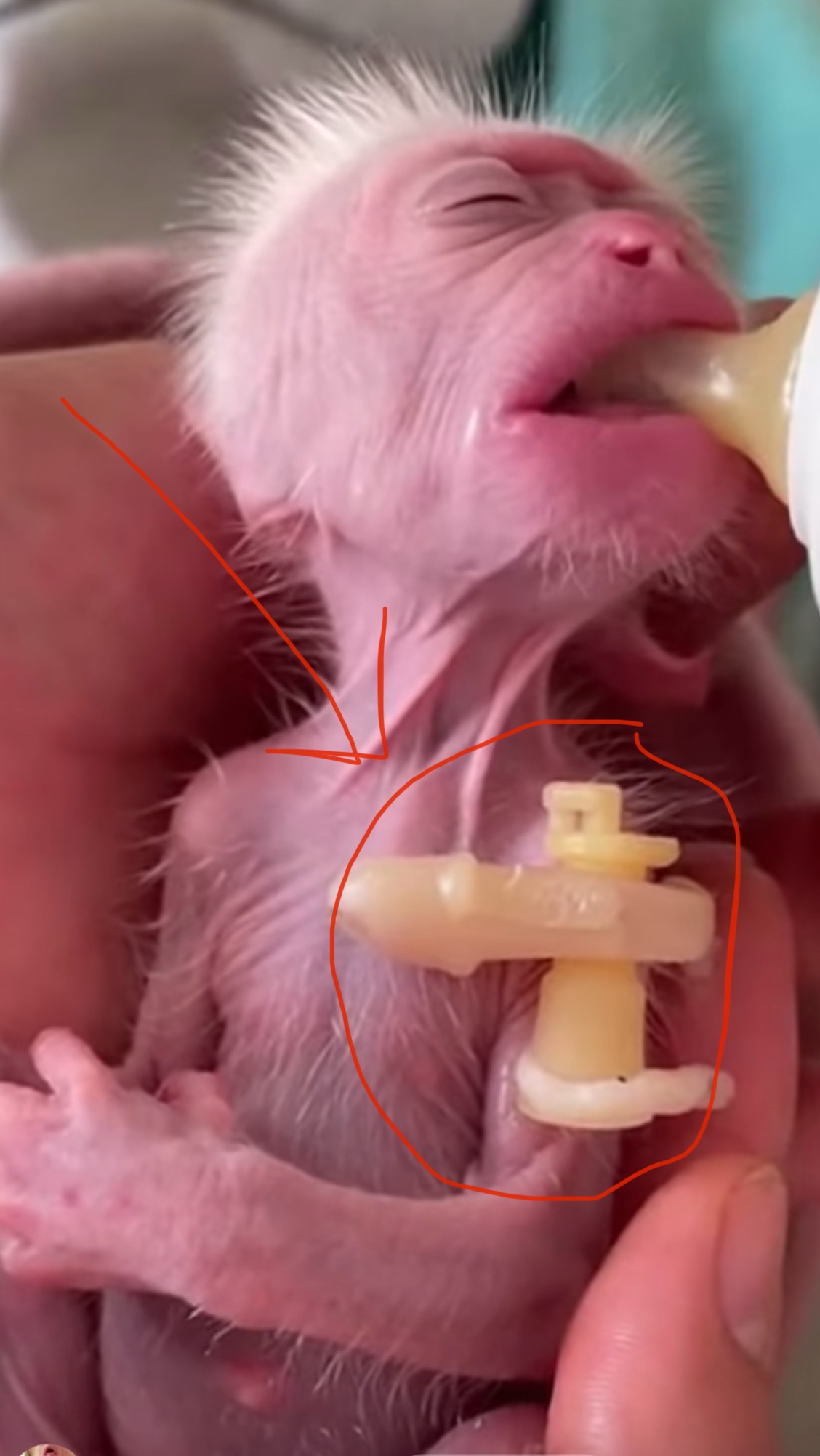
Nutrition is the foundation of newborn monkey health. In natural settings, a mother’s milk provides essential nutrients, antibodies, and enzymes that support growth and immune development. Ensuring that the mother is healthy and well-fed directly benefits the infant. In cases where hand-rearing is necessary, caretakers must use species-appropriate milk formulas and feeding schedules. Overfeeding or incorrect formulas can cause digestive problems, so careful monitoring of weight gain and hydration is essential.
2. Warmth and Safe Shelter
Newborn monkeys cannot regulate their body temperature effectively. A warm, clean, and dry environment is critical, especially during the first weeks of life. In the wild, infants rely on close physical contact with their mothers for warmth. In managed care, soft bedding, controlled temperatures, and protection from drafts help prevent hypothermia. Clean shelters also reduce exposure to harmful bacteria and parasites.
3. Strong Mother–Infant Bonding
Emotional health is just as important as physical health. Close bonding between a mother and her newborn supports proper feeding, warmth, and emotional security. Frequent contact helps regulate the infant’s stress levels and encourages normal development. When human intervention is required, caretakers should minimize stress by handling gently and maintaining consistent routines. Whenever possible, infants should be raised with or near other monkeys to encourage natural social behaviors.
4. Hygiene and Disease Prevention
Newborn monkeys have developing immune systems, making them more vulnerable to infections. Clean living spaces, sanitized feeding equipment, and regular health checks are essential. Caretakers should limit unnecessary contact and follow quarantine procedures for new animals to prevent the spread of illness. Early detection of symptoms such as lethargy, loss of appetite, or abnormal behavior allows for prompt care.
5. Veterinary Monitoring and Preventive Care
Regular veterinary assessments help track growth and identify potential problems early. Monitoring weight, hydration, and developmental milestones ensures that the infant is progressing normally. Preventive care plans may include parasite control and vaccinations when appropriate for the species. Keeping detailed health records helps guide long-term care decisions.
6. Encouraging Natural Development
Healthy newborn monkeys need opportunities to develop natural skills as they grow. As infants become stronger, safe spaces for movement and exploration support muscle development and coordination. Exposure to normal sounds, sights, and social interactions prepares them for independent life within their group.
Conclusion
Keeping newborn monkeys healthy requires a balanced approach that supports both body and mind. Proper nutrition, warmth, hygiene, social bonding, and professional veterinary care work together to ensure survival and healthy development. With attentive, informed care, newborn monkeys can grow into strong, well-adjusted members of their communities.