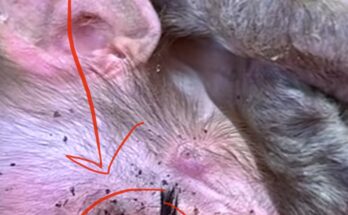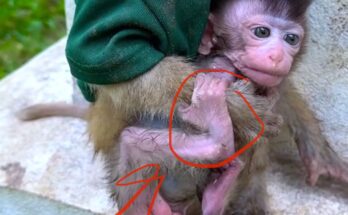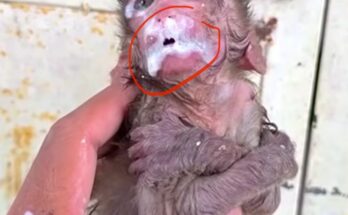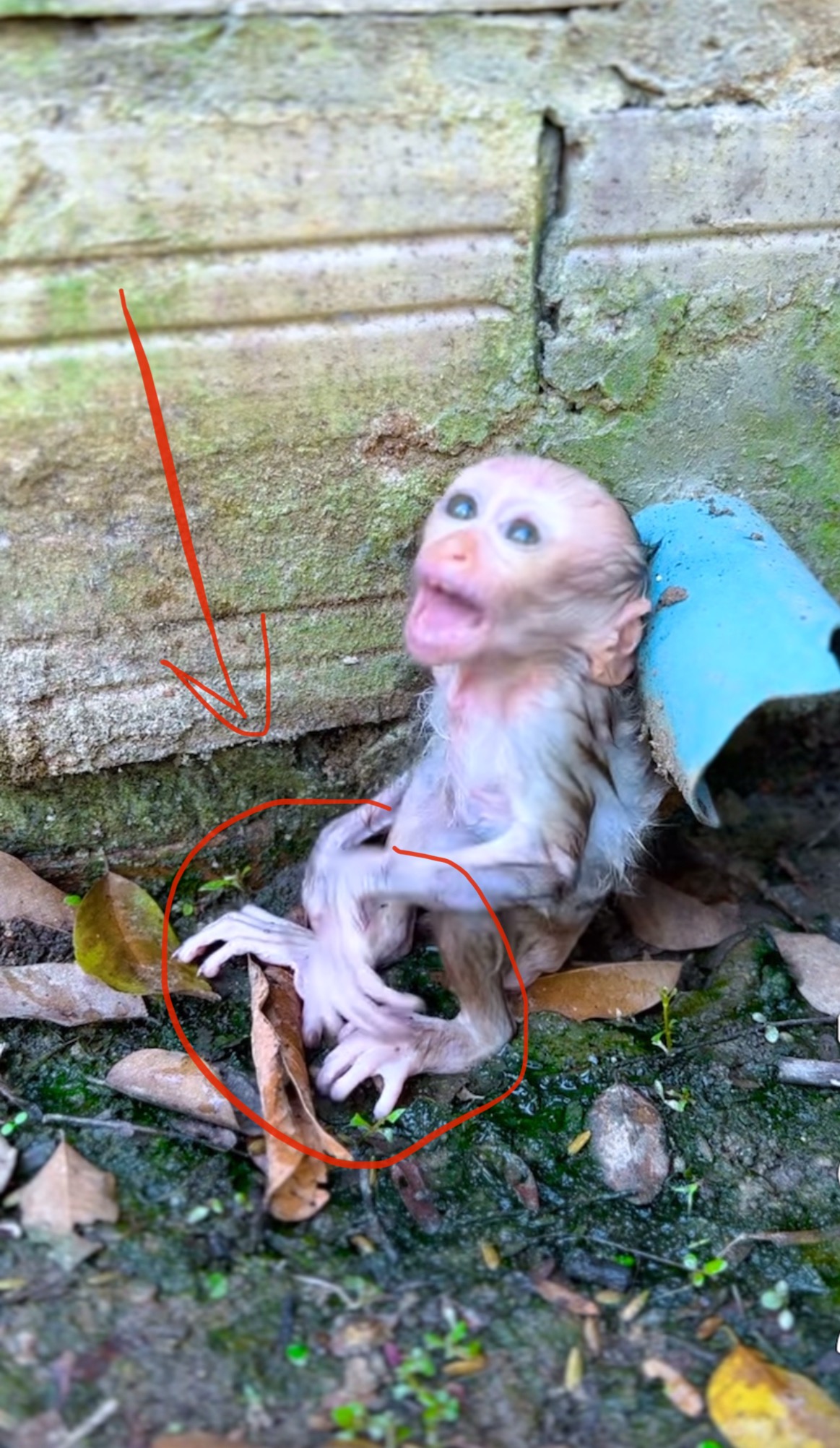
Caring for newborn monkeys during the winter season requires special attention, as cold weather can pose serious risks to their health and survival. Newborn primates are highly sensitive to temperature changes, illness, and stress, making proper care essential. Whether in wildlife sanctuaries, rescue centers, or conservation programs, following the right methods helps ensure their safety and healthy development throughout the colder months.
1. Maintaining Warmth and Shelter
The most critical aspect of winter care is keeping newborn monkeys warm. They are unable to regulate their body temperature effectively, especially in the first weeks of life. Indoor enclosures or well-insulated shelters should be used to protect them from cold winds, rain, and sudden temperature drops. Soft bedding made from fleece, straw, or blankets helps retain heat. In professional settings, heat lamps or warming pads may be used, ensuring they are safely positioned to prevent burns or overheating.
2. Supporting Natural Bonding
Whenever possible, newborn monkeys should remain close to their mothers, as maternal contact provides both warmth and emotional security. The mother’s body heat, grooming, and feeding play a vital role in the infant’s immune strength and overall growth. If the mother is unable to provide care, trained caregivers may use gentle wrapping techniques and constant monitoring to replicate warmth and comfort.
3. Proper Nutrition and Hydration
Winter places extra energy demands on newborn monkeys. Adequate nutrition is essential to help them maintain body heat and build immunity. Breast milk is the ideal source of nourishment, as it contains antibodies that protect against seasonal infections. In cases where hand-feeding is necessary, specialized milk formulas should be used under veterinary guidance. Hydration must also be monitored carefully, as cold weather can mask signs of dehydration.
4. Hygiene and Health Monitoring
Cold conditions can weaken immune systems, making newborn monkeys more susceptible to respiratory infections and other illnesses. Enclosures should be kept clean and dry to prevent bacteria and mold growth. Regular health checks, including monitoring body temperature, breathing, and activity levels, help detect early signs of illness. Any unusual behavior, such as lethargy or loss of appetite, should be addressed immediately by a veterinarian.
5. Reducing Stress and Exposure
Stress can significantly affect a newborn monkey’s health, particularly in winter. Loud noises, frequent handling, or exposure to unfamiliar environments should be minimized. Limiting outdoor exposure during extremely cold days is recommended, even for species that normally tolerate cooler climates. Calm, stable surroundings support healthy development and reduce the risk of illness.
6. Enrichment and Gentle Stimulation
Even in winter, newborn monkeys benefit from gentle sensory stimulation and safe interaction. Soft toys, controlled movement, and limited social exposure help promote normal development without compromising warmth or safety.
Conclusion
Caring for newborn monkeys in winter requires a careful balance of warmth, nutrition, hygiene, and emotional support. By creating a protected environment and closely monitoring their health, caregivers can significantly improve survival rates and ensure these vulnerable animals grow strong and healthy despite harsh winter conditions.