Baby monkeys, like human infants, go through important developmental stages before they are ready to eat solid foods. One of the most common questions animal lovers and wildlife enthusiasts ask is: how many months old is a baby monkey before it can eat fruit? The answer depends on the monkey species, but there are general patterns that apply to most monkeys.
Early Life: Milk Comes First
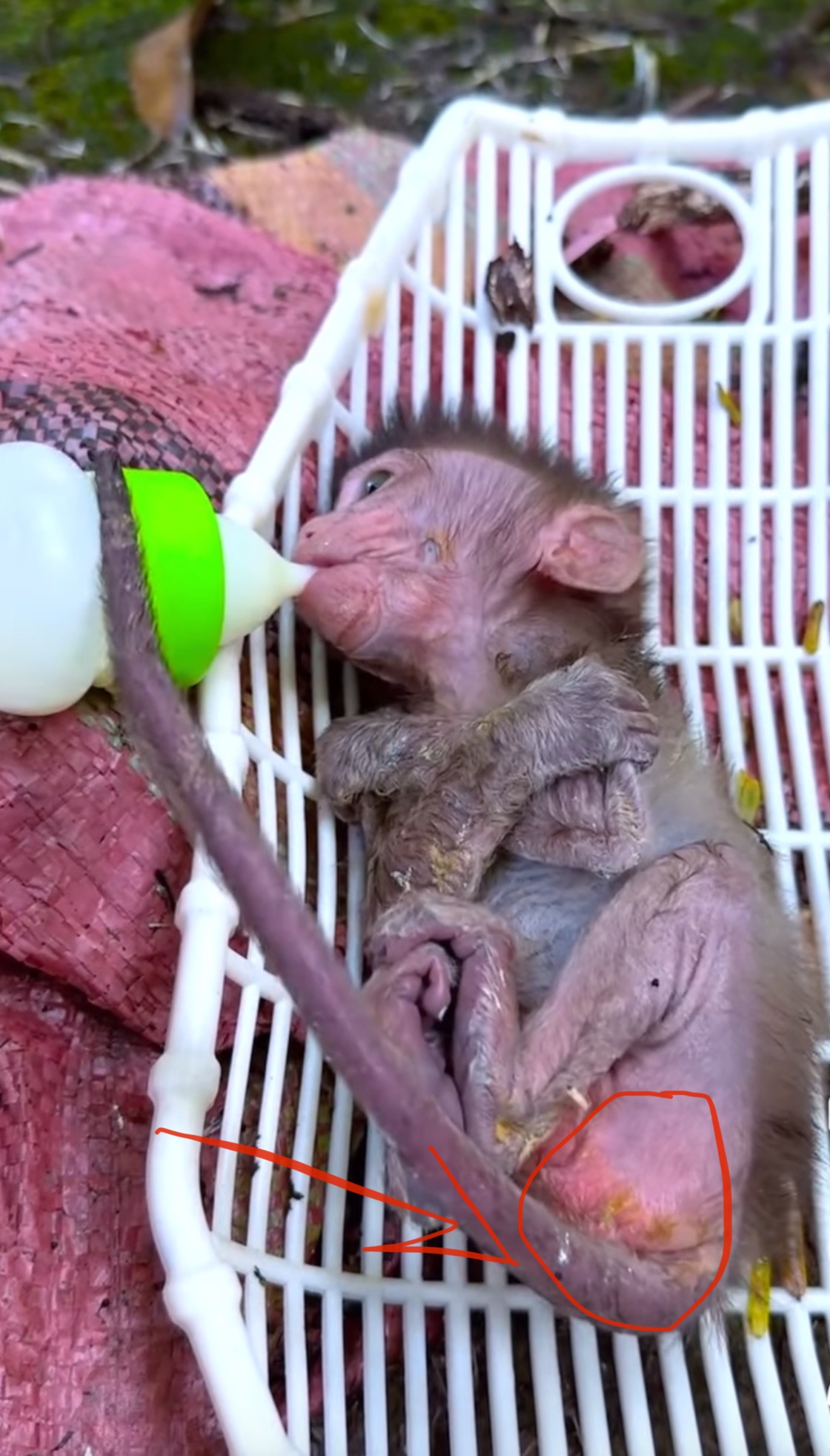
At birth, baby monkeys (called infants) rely entirely on their mother’s milk for nutrition. Monkey milk is rich in fats, proteins, and antibodies that help the infant grow and build immunity. During the first 2 to 3 months, a baby monkey’s digestive system is not mature enough to handle solid foods, including fruit.
During this stage, the infant clings closely to its mother, nursing frequently and learning basic survival behaviors like grasping, balancing, and social bonding.
Introduction to Solid Foods
Most baby monkeys begin showing interest in solid foods between 3 and 4 months of age. At this point, they may start to mouth or nibble on soft foods that their mother is eating. Fruit is usually one of the first solid foods introduced because it is soft, easy to chew, and rich in natural sugars and vitamins.
However, eating fruit at this age is more about exploration than nutrition. Milk remains the primary food source, and fruit intake is minimal.
Regular Fruit Consumption
By around 5 to 6 months old, many baby monkeys can eat fruit more confidently and regularly. Their teeth are more developed, and their digestive systems are better equipped to process plant-based foods. Soft fruits such as bananas, papayas, mangoes, and berries are especially suitable during this stage.
Even then, mother’s milk continues to play an important role. Full weaning does not happen immediately and varies by species.
Weaning and Dietary Independence
Most monkeys are fully or mostly weaned between 8 months and 1 year of age. By this time, fruit becomes a significant part of their daily diet, along with leaves, seeds, insects, and other foods depending on the species. For example:
-
Macaques often start eating fruit around 4 months
-
Capuchin monkeys may begin slightly later but eat fruit regularly by 6 months
-
Howler monkeys, which rely heavily on leaves and fruit, follow a similar timeline
Why Timing Matters
Introducing fruit too early can cause digestive problems, such as diarrhea or malnutrition. In the wild, mothers naturally regulate this process by limiting what their infants can access. This gradual transition ensures healthy growth and proper gut development.
Final Thoughts
In general, a baby monkey can start eating fruit at around 3 to 4 months old, with regular fruit consumption becoming common by 5 to 6 months. Full dietary independence develops closer to 8–12 months, depending on the species.
Understanding this natural progression helps highlight the importance of maternal care and proper nutrition in a monkey’s early life—key factors that support healthy development both in the wild and in conservation settings.