Monkeys play a vital role in maintaining healthy ecosystems. From seed dispersal to balancing forest food chains, their presence supports biodiversity and environmental stability. However, habitat loss, climate change, and human interference have placed many monkey species at risk. Fortunately, good methods—based on science, conservation, and ethical care—can help monkeys grow, thrive, and sustain their populations for generations to come.
One of the most effective methods to support monkey growth is habitat protection and restoration. Monkeys depend heavily on forests, mangroves, and grasslands for food, shelter, and social interaction. When these environments are destroyed or fragmented, monkeys struggle to survive. Protecting existing habitats through national parks and wildlife reserves allows monkey populations to grow naturally. In areas already damaged, reforestation and habitat corridors can reconnect isolated groups, improving access to food and mates while reducing inbreeding.
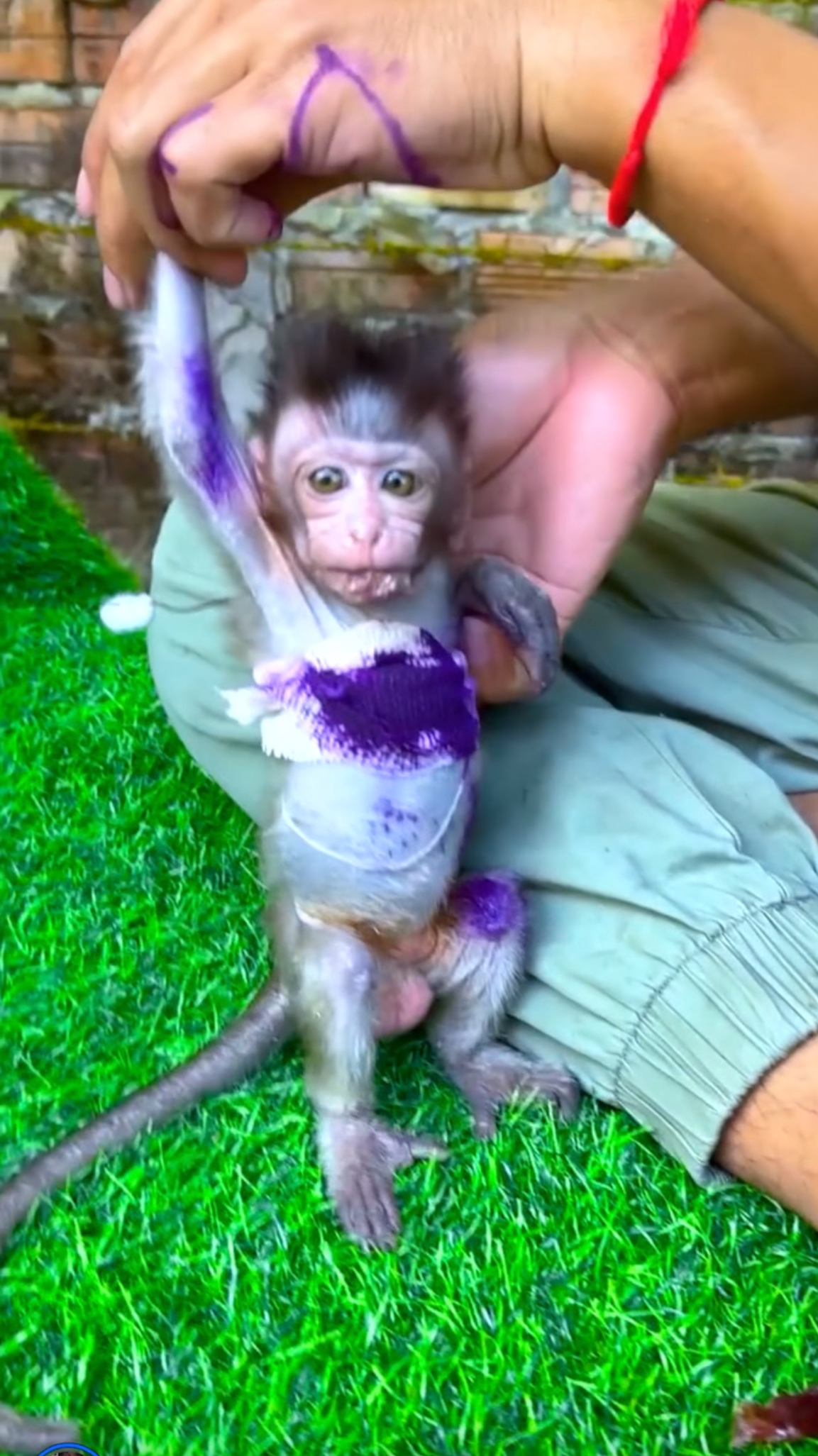
Proper nutrition is another key factor in helping monkeys grow healthy and strong. In the wild, monkeys eat a diverse diet that may include fruits, leaves, insects, seeds, and flowers. Conservation programs often focus on preserving plant diversity so monkeys can meet their nutritional needs year-round. In rescue centers and sanctuaries, carefully planned diets that mimic natural feeding habits help young and injured monkeys recover, grow, and develop properly without becoming dependent on humans.
Healthcare and disease prevention also play a critical role. Like humans, monkeys are vulnerable to illnesses, many of which can spread through contact with people or domestic animals. Regular health monitoring, vaccination programs, and safe distances between wildlife and human settlements help reduce disease outbreaks. Healthy monkeys are more likely to reproduce successfully and raise strong offspring, contributing to long-term population growth.
Education and community involvement are equally important methods. When local communities understand the value of monkeys and the ecosystems they support, they are more likely to protect them. Educational programs can reduce illegal hunting, wildlife trafficking, and harmful tourism practices. Community-based conservation projects often provide alternative livelihoods, such as eco-tourism or sustainable farming, which benefit both people and monkeys.
Ethical research and monitoring help scientists understand monkey behavior, reproduction, and environmental needs. Using non-invasive tracking and observation methods allows researchers to collect valuable data without causing stress or harm. This information helps conservationists design better protection strategies tailored to specific monkey species and regions.
In conclusion, good methods can truly help monkeys grow when they focus on habitat protection, proper nutrition, healthcare, education, and ethical conservation practices. By combining scientific knowledge with community support and environmental responsibility, we can ensure that monkey populations not only survive but flourish. Protecting monkeys ultimately protects the ecosystems we all depend on, making these efforts beneficial for both wildlife and humanity.