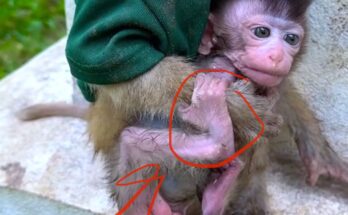
Finding a baby monkey injured by a thorn can be a worrying experience, especially if you are unsure how to help without causing further harm. Monkeys—particularly infants—are fragile, easily stressed, and require careful handling. Whether you encounter such a situation in the wild, near a sanctuary, or around human–monkey interaction zones, understanding basic first aid can make a meaningful difference while you wait for trained wildlife rescuers.
1. Stay Calm and Assess the Situation
Before approaching the baby monkey, take a moment to observe its behavior and surroundings. Injured animals may panic and attempt to flee or bite out of fear. Approach slowly, avoiding sudden movements or loud noises. If the mother is nearby, she may act defensively, so maintain a safe distance until you are sure the baby is alone and requires assistance.
2. Ensure Your Safety First
While baby monkeys are small, they can still scratch or bite when frightened. Use protective gloves if available and avoid direct face-to-face contact. Also remember that wild animals can carry zoonotic diseases, so minimizing direct contact is essential.
3. Gently Restrain and Comfort the Baby Monkey
If the baby monkey seems calm enough, you can gently wrap it in a soft cloth or towel. This provides warmth, reduces stress, and helps restrain its movements without force. Keeping the monkey warm is particularly important, as injured infants can go into shock quickly.
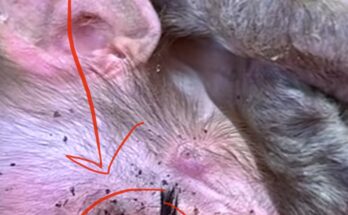
4. Locate the Thorn and Inspect the Wound
Examine the affected area carefully. Thorns may lodge in the hands, feet, tail, or body. If the thorn is shallow and visibly protruding, it may be safe to remove. Avoid pulling on thorns deeply embedded or positioned near sensitive areas like the eyes or joints. Tugging improperly can cause tearing or infection.
5. Safe Removal of the Thorn
If the thorn is small and easy to grasp:
-
Sterilize a pair of tweezers with rubbing alcohol or clean water if nothing else is available.
-
Hold the skin gently and pull the thorn out in the direction it entered.
-
Avoid twisting or breaking the thorn, which can leave fragments behind.
6. Clean the Wound Carefully
Once the thorn is removed, clean the wound using clean water or a mild saline solution. Avoid using strong antiseptics like alcohol or iodine directly on the skin, as these can irritate delicate tissues. Gently pat the area dry with a clean cloth.
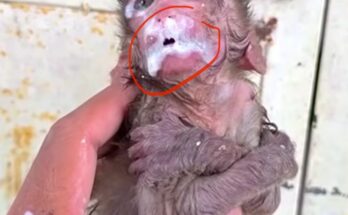
7. Monitor for Signs of Infection
Redness, swelling, pus, or continuous crying may indicate infection or deeper injury. Even when the wound seems minor, baby monkeys require professional attention since their immune systems are weaker than adults.
8. Contact Wildlife Rescue Authorities Immediately
After providing basic first aid, get in touch with local wildlife rescue groups, veterinary services, or forest authorities. Baby monkeys have specific dietary, medical, and emotional needs that only experts can handle safely. Keeping the baby with you for too long may increase stress or health complications.
Conclusion
Providing first aid to a baby monkey injured by a thorn is an act of compassion, but it must be done gently and responsibly. With calm handling, minimal intervention, and prompt contact with wildlife professionals, you can help ensure the little animal receives the best possible care and a safe return to its natural environment.