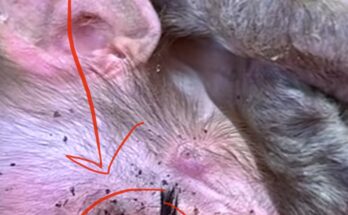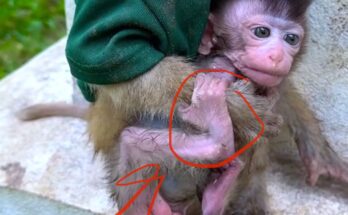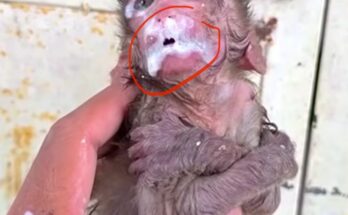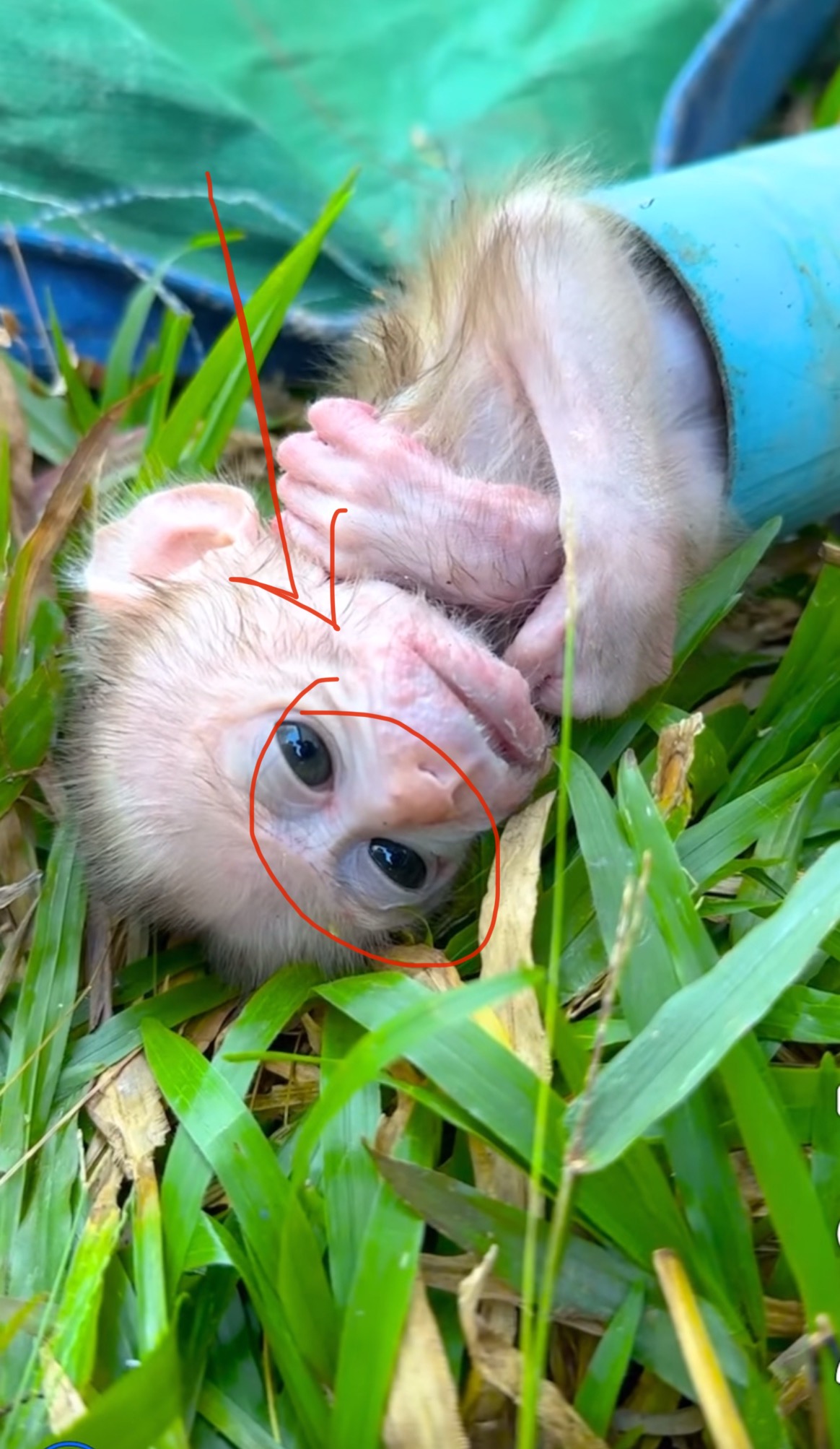
Meningitis is a serious condition that involves inflammation of the protective membranes (meninges) surrounding the brain and spinal cord. While meningitis is commonly discussed in humans, it can also affect animals, including monkeys. A frequent question in wildlife health, primate care, and research settings is whether monkey meningitis can be transmitted from one monkey to another. The short answer is: yes, in some cases it can, depending on the cause of the disease.
Understanding Monkey Meningitis
“Meningitis” is not a single disease but a condition that can be caused by different infectious agents, including bacteria, viruses, fungi, and parasites. In monkeys, meningitis may develop as a primary infection or as a complication of another illness. Environmental stress, poor sanitation, overcrowding, or weakened immune systems can increase the risk.
How Transmission Can Occur
Transmission between monkeys largely depends on the type of pathogen responsible for the meningitis:
-
Bacterial meningitis: Certain bacteria can spread from one monkey to another through close contact, respiratory droplets, contaminated food or water, or shared living spaces. In group-housed monkeys, this is one of the more concerning routes of transmission.
-
Viral meningitis: Some viruses that affect monkeys are contagious and can spread through bodily fluids, sneezing, grooming behaviors, or contact with contaminated surfaces. Social species that interact frequently are at higher risk.
-
Fungal or parasitic meningitis: These forms are generally less contagious and are more often linked to environmental exposure rather than direct monkey-to-monkey transmission.
Factors That Increase Spread Among Monkeys
Several conditions can make transmission more likely:
-
Close living quarters, such as in sanctuaries, zoos, or research facilities
-
Shared resources, including water bowls, food trays, and enrichment tools
-
Stress or malnutrition, which weakens immune defenses
-
Lack of quarantine for newly introduced or sick monkeys
Young, elderly, or immunocompromised monkeys are especially vulnerable to infection and severe illness.
Prevention and Control
Preventing the spread of meningitis among monkeys focuses on good management and hygiene practices. Isolation of sick animals, regular health monitoring, proper sanitation, and minimizing overcrowding are key strategies. In professional settings, veterinary oversight plays a critical role in identifying the cause and limiting further transmission.
Why This Matters
Understanding whether monkey meningitis can spread from one monkey to another is important not only for animal welfare but also for population health management. Early detection and prevention can reduce outbreaks, protect vulnerable animals, and maintain stable social groups.
Conclusion
Monkey meningitis can be transmitted from one monkey to another, particularly when caused by contagious bacteria or viruses. The risk depends on the specific cause, living conditions, and overall health of the animals involved. With proper care, hygiene, and monitoring, the chances of transmission can be significantly reduced, ensuring healthier environments for monkeys in both wild and managed settings.