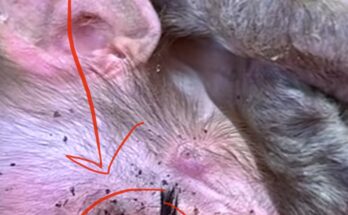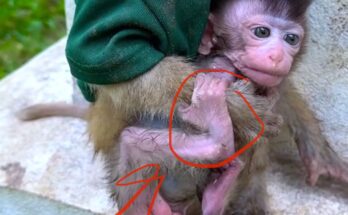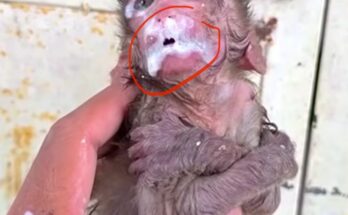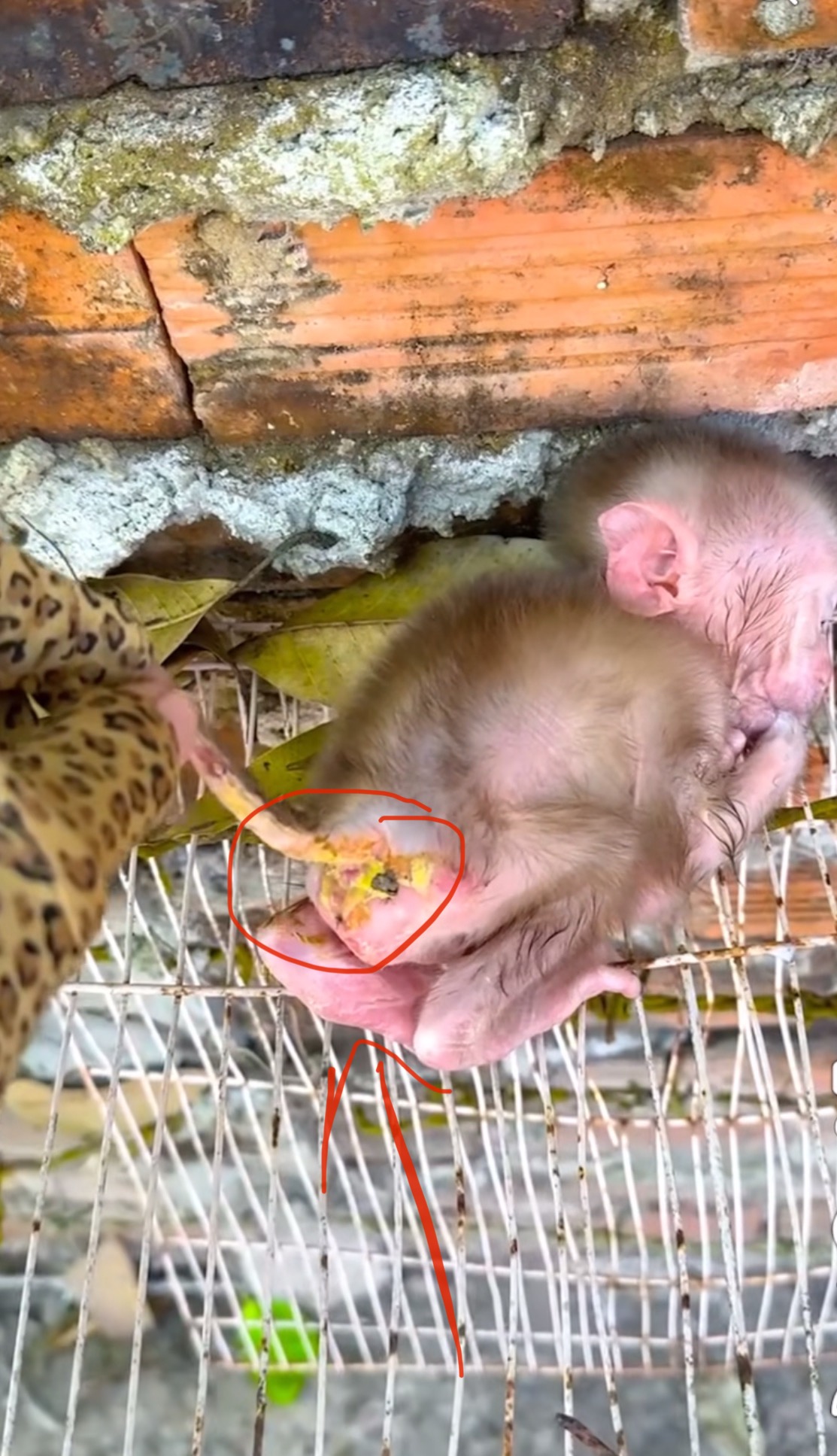
Newborn monkeys, like human infants, rely heavily on milk as their primary source of nutrition during the earliest stage of life. Mother’s milk is specially designed to support growth, immune development, and digestion. When this milk is nutritionally imbalanced—especially when it lacks sufficient protein—it can lead to several health problems. One important concern researchers and caregivers often raise is whether low-protein milk can cause diarrhea in newborn monkeys. The short answer is yes, and understanding why helps highlight the critical role of proper nutrition in early life.
Protein is an essential building block for newborn monkeys. It supports tissue growth, enzyme production, and the development of the digestive system. In natural conditions, a mother monkey’s milk contains a carefully balanced mix of proteins, fats, carbohydrates, vitamins, and antibodies. When protein levels are too low—due to maternal malnutrition, illness, or inappropriate milk substitutes—the infant’s digestive system may struggle to function properly.
One major reason low-protein milk can cause diarrhea is poor digestion and absorption. Proteins help regulate how nutrients are processed in the intestines. Without enough protein, the lining of the gut may not mature properly. This can lead to inefficient absorption of nutrients, allowing excess fluid to remain in the intestines, which results in loose or watery stools.
Another factor is the impact on gut immunity. Proteins are necessary for producing antibodies and maintaining a healthy balance of gut bacteria. Newborn monkeys have developing immune systems and depend on milk to protect them from harmful microorganisms. If milk lacks adequate protein, the immune defenses in the gut may weaken, increasing the risk of infections that can trigger diarrhea.
Low-protein milk can also disrupt the balance between carbohydrates and proteins in the diet. When protein is insufficient, carbohydrates like lactose may not be properly digested. Undigested lactose can draw water into the intestines through osmosis, worsening diarrhea. This condition is particularly risky for newborn monkeys because their bodies are small and can become dehydrated quickly.
In captive or rescue settings, diarrhea linked to low-protein milk is often seen when infants are fed inappropriate milk substitutes. Cow’s milk, diluted formulas, or improperly prepared replacers may not match the nutritional profile of monkey milk. Over time, this mismatch can lead not only to diarrhea but also to poor weight gain, weakness, and delayed development.
Preventing this problem starts with ensuring proper nutrition. Whenever possible, newborn monkeys should nurse from their mothers. If milk replacement is necessary, it should be species-appropriate and formulated to meet protein and energy requirements. Careful monitoring of stool consistency, hydration, and growth is also essential in the early weeks of life.
In conclusion, milk lacking sufficient protein can indeed cause diarrhea in newborn monkeys. The condition arises from digestive immaturity, weakened gut immunity, and nutritional imbalance. Providing protein-adequate milk is not just about growth—it is vital for digestive health and survival during this vulnerable stage of life.