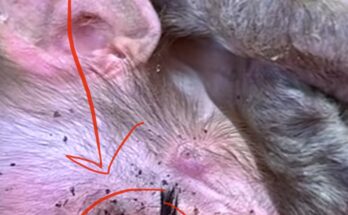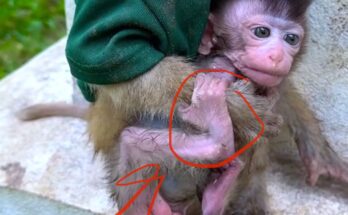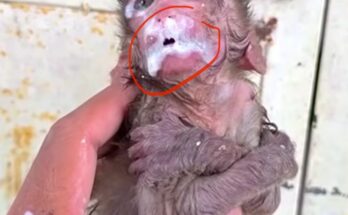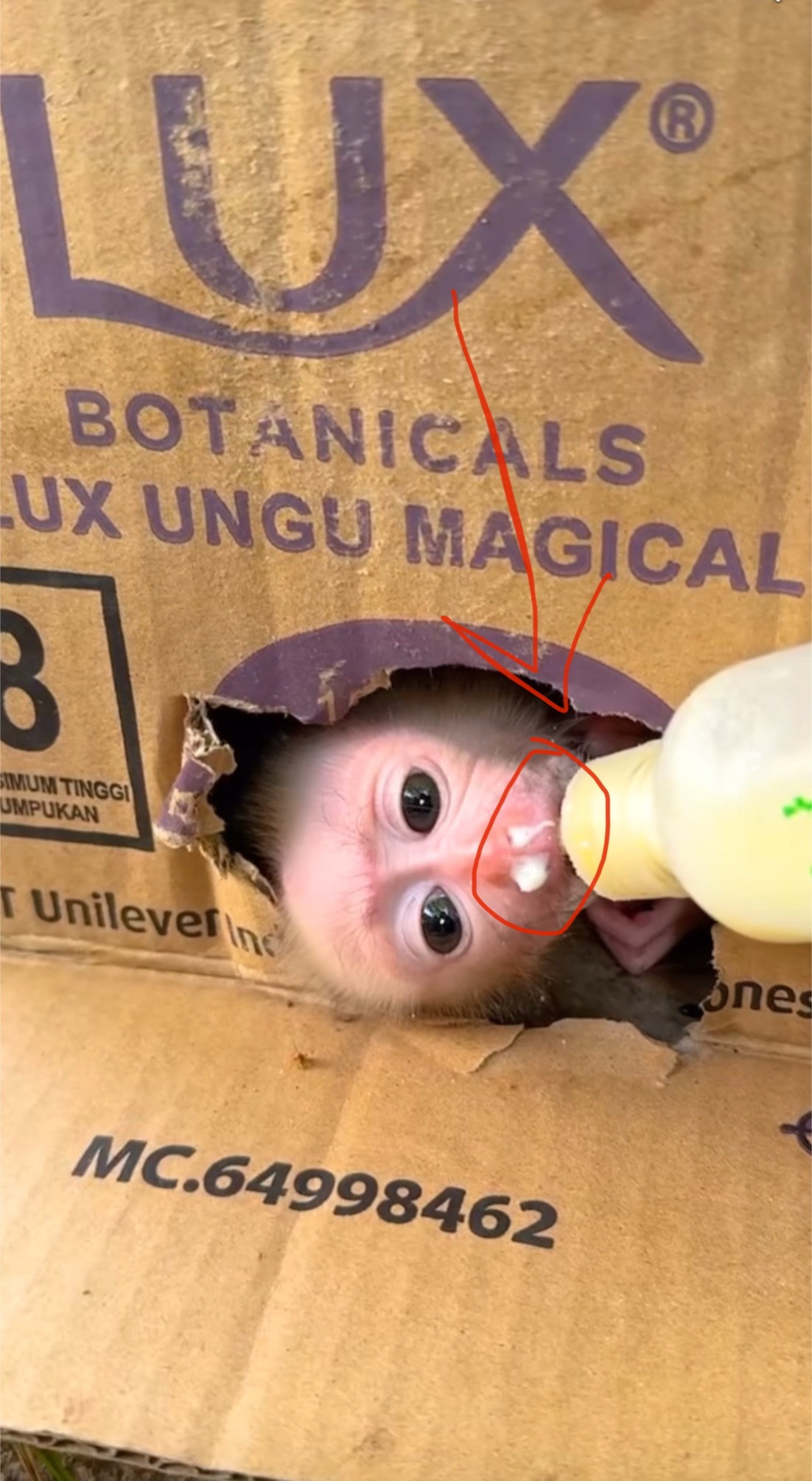
Newborn baby monkeys, like human infants, are extremely fragile during the first days and weeks of life. Their survival depends almost entirely on proper care from their mother and, in some cases, from the wider social group. When that care is missing or insufficient, the risk of illness and death increases significantly. Understanding why care is so important helps highlight how delicate early life is for primates.
At birth, a baby monkey is unable to survive on its own. It cannot regulate its body temperature well, find food, or protect itself from danger. The mother plays a critical role by keeping the infant warm, nursing it frequently, and carrying it to safety. Without this constant attention, a newborn monkey can quickly become weak. Exposure to cold, hunger, or stress can overwhelm its underdeveloped body.
Nutrition is one of the most important factors in a newborn monkey’s survival. Mother’s milk provides essential nutrients and antibodies that help build the baby’s immune system. If a baby monkey is not able to nurse—because the mother is absent, ill, inexperienced, or rejects the infant—the baby may suffer from malnutrition. A weak immune system makes it harder to fight off infections, which are common threats in both wild and captive environments.
Warmth and physical contact are also vital. Baby monkeys rely on constant body contact with their mothers to stay warm and feel secure. In many species, infants cling to their mother’s fur almost all the time. Without this contact, a newborn can lose body heat quickly. Even in warm climates, nighttime temperatures or rain can be dangerous for an unprotected infant.
Emotional and social care matter as well. Stress can have serious physical effects on newborn animals. A baby monkey separated from its mother may experience high stress levels, which can interfere with feeding, sleep, and normal development. In social species, other group members sometimes help care for infants, offering protection or grooming. When a baby lacks both maternal and social support, its chances of survival drop further.
In captivity, such as in zoos or rescue centers, human caretakers can sometimes step in if a mother cannot care for her baby. Hand-rearing involves providing specialized milk formulas, controlled warmth, and frequent feeding. Even then, raising a newborn monkey is challenging and requires expert knowledge. Without proper care, even with good intentions, the infant may not survive.
In the wild, however, there are fewer second chances. If a mother dies, abandons her infant, or is unable to provide care, the baby monkey often faces serious danger. Nature can be harsh, and survival depends on a delicate balance of care, environment, and health.
In conclusion, yes, a newborn baby monkey can die if it lacks proper care. Maternal attention, nutrition, warmth, and social support are not optional—they are essential for survival. This reality reminds us of the importance of protecting monkey habitats, supporting wildlife conservation, and ensuring that vulnerable animals receive the care they need during the most critical stage of life.