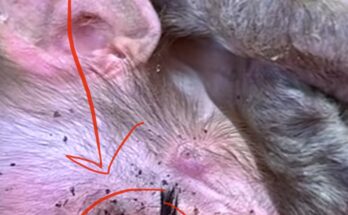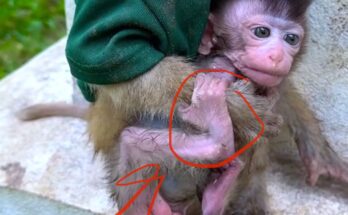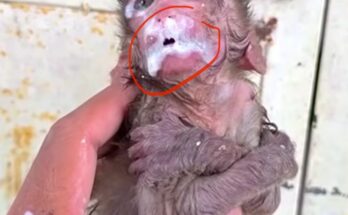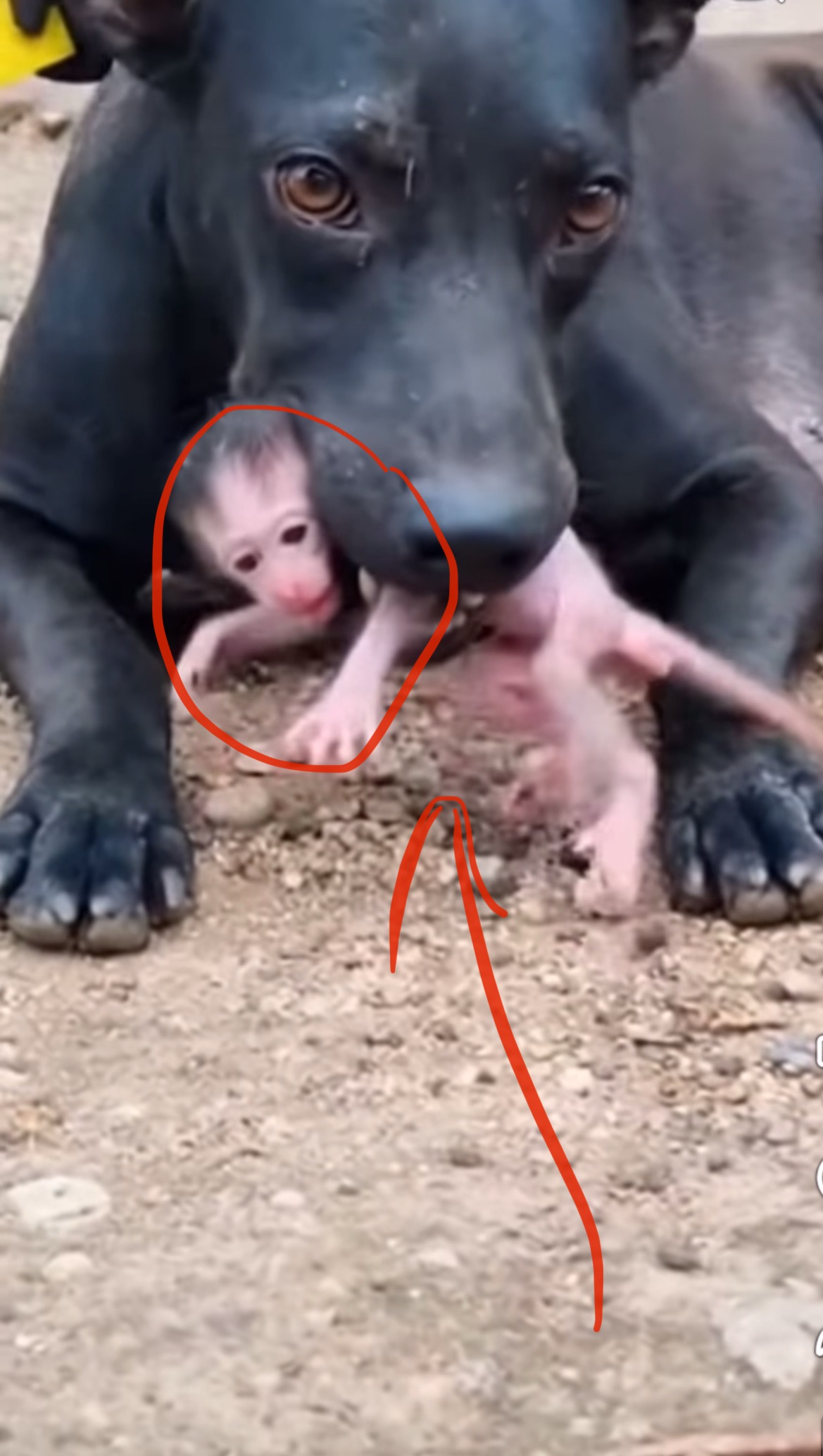
A heartbreaking incident involving a rabid dog and a newborn monkey has drawn attention to the fragile coexistence between humans, domestic animals, and wildlife. The newborn monkey was reportedly bitten by a rabid dog and died instantly, a tragic event that underscores the dangers posed by uncontrolled animal diseases and the growing overlap between human settlements and natural habitats.
Newborn animals are among the most vulnerable members of the wildlife ecosystem. Lacking physical strength, mobility, and developed immune systems, they depend entirely on their mothers and surrounding environment for survival. In this case, the monkey had no chance to escape or defend itself. The suddenness of the attack highlights how quickly life can be lost when disease and aggression intersect in uncontrolled conditions.
Rabies is a deadly viral disease that affects the nervous system of mammals. Once symptoms appear, it is almost always fatal. Dogs remain one of the primary carriers of rabies in many parts of the world, especially in areas where vaccination and animal control programs are inadequate. A rabid animal often displays abnormal aggression, confusion, and unpredictable behavior, making it a serious threat not only to humans but also to other animals, including wildlife.
This incident also sheds light on the increasing encounters between domestic animals and wild species. As urban areas expand and natural habitats shrink, monkeys and other wildlife are often forced to live closer to human communities. Open garbage dumps, food scraps, and deforestation attract wild animals into populated areas, where encounters with stray dogs become more frequent and more dangerous.
The death of the newborn monkey is not an isolated tragedy; it is a symptom of a broader problem. Unvaccinated stray dog populations pose a persistent risk to public health and biodiversity. At the same time, wildlife suffers when protective boundaries between natural and urban spaces disappear. Without intervention, such incidents are likely to continue.
Preventive measures are essential to avoid similar losses in the future. Regular vaccination and sterilization of stray dogs can significantly reduce the spread of rabies and aggressive behavior. Public awareness campaigns can educate communities about responsible waste disposal, which helps limit interactions between stray animals and wildlife. Additionally, protecting and restoring natural habitats gives wild animals safer spaces to live and raise their young.
The loss of a newborn monkey to a rabid dog is a sobering reminder of how interconnected life is. The health of domestic animals, wildlife, and humans cannot be separated. Addressing animal health, disease control, and environmental protection together is not just an ethical responsibility—it is a necessity to prevent further tragedies and to ensure a safer coexistence for all living beings.