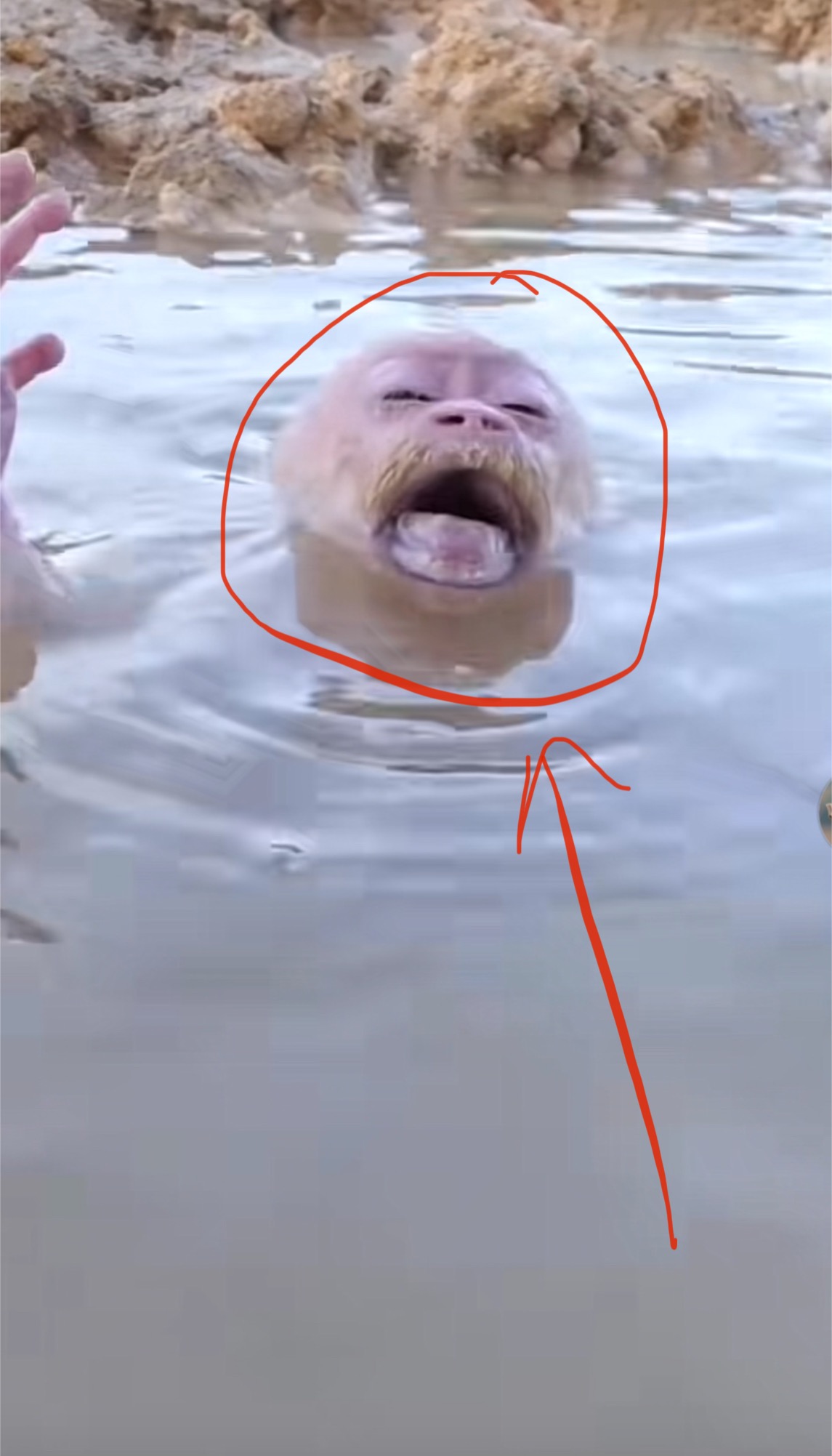
Drowning is one of the most dangerous emergencies for any animal, and baby monkeys are especially vulnerable because of their small size, fragile lungs, and limited ability to react in deep water. When a baby monkey is pulled from water after nearly drowning, immediate and calm action can make a critical difference. Although only trained wildlife professionals and veterinarians should perform advanced life-saving procedures, there are several safe, basic first-aid steps that any rescuer can follow while waiting for expert help.
1. Ensure the Scene Is Safe
Before attempting to rescue the baby monkey, make sure the surrounding environment is safe for you. Slippery rocks, aggressive adult monkeys, or fast-moving water can create additional danger. A rescuer who becomes injured or trapped only complicates the situation further. Once it is safe, gently remove the baby monkey from the water, supporting its body properly.
2. Check for Breathing and Responsiveness
Place the baby monkey on a dry, flat surface. Look closely for movement of the chest, any sounds, or attempts to breathe. Baby monkeys that have inhaled water may be limp or unconscious. Avoid shaking the animal or pressing hard on its chest; such actions can cause further harm. Simply observe whether it is breathing regularly or gasping.
3. Clear the Airway Gently
If the baby monkey is not breathing or is struggling to breathe, the airway may be partially blocked by water or debris. Tilt the head very slightly downward so that excess water can drain naturally from the mouth or nose. Do not swing, shake, or hold the animal upside down, as this can lead to injuries. Using a clean cloth, gently wipe away mud, leaves, or visible debris from around the mouth.
4. Provide Rescue Breaths Only If Properly Trained
Mouth-to-mouth resuscitation or chest compressions require training, even for animals. Untrained attempts can cause broken ribs or worsen the condition. If you are trained in animal CPR, administer small, gentle rescue breaths appropriate to the size of the infant monkey. If you are not trained, focus on keeping the airway clear and the animal warm until professionals arrive.
5. Keep the Baby Monkey Warm
Hypothermia is a major risk after a near-drowning incident. Wrap the baby monkey in a dry towel or cloth, leaving the face uncovered. Avoid excessive heat sources such as heating pads or direct sunlight, which can cause burns or overheating. Your goal is gentle, gradual warming.
6. Seek Immediate Veterinary or Wildlife Rescue Support
Even if the baby monkey regains consciousness and seems stable, water inhalation can cause delayed complications, including infection or respiratory distress hours later. Contact a local veterinarian, wildlife rehabilitation center, or animal rescue organization as quickly as possible. Transport the baby monkey carefully, keeping it warm and in a comfortable position.
Conclusion
Providing first aid to a baby monkey after a near-drowning incident requires calmness, gentleness, and an understanding of safe emergency practices. Basic steps—such as ensuring the area is safe, checking breathing, clearing the airway, and keeping the animal warm—can help stabilize the baby until experts take over. With quick action and proper care, the chances of survival and recovery increase significantly.