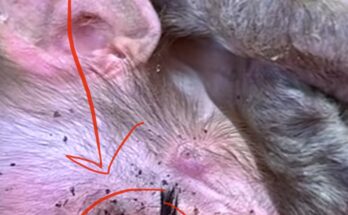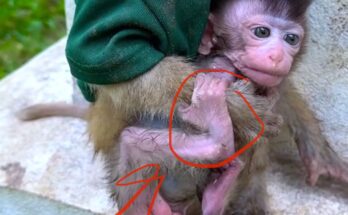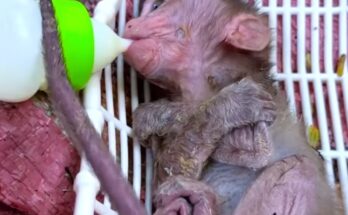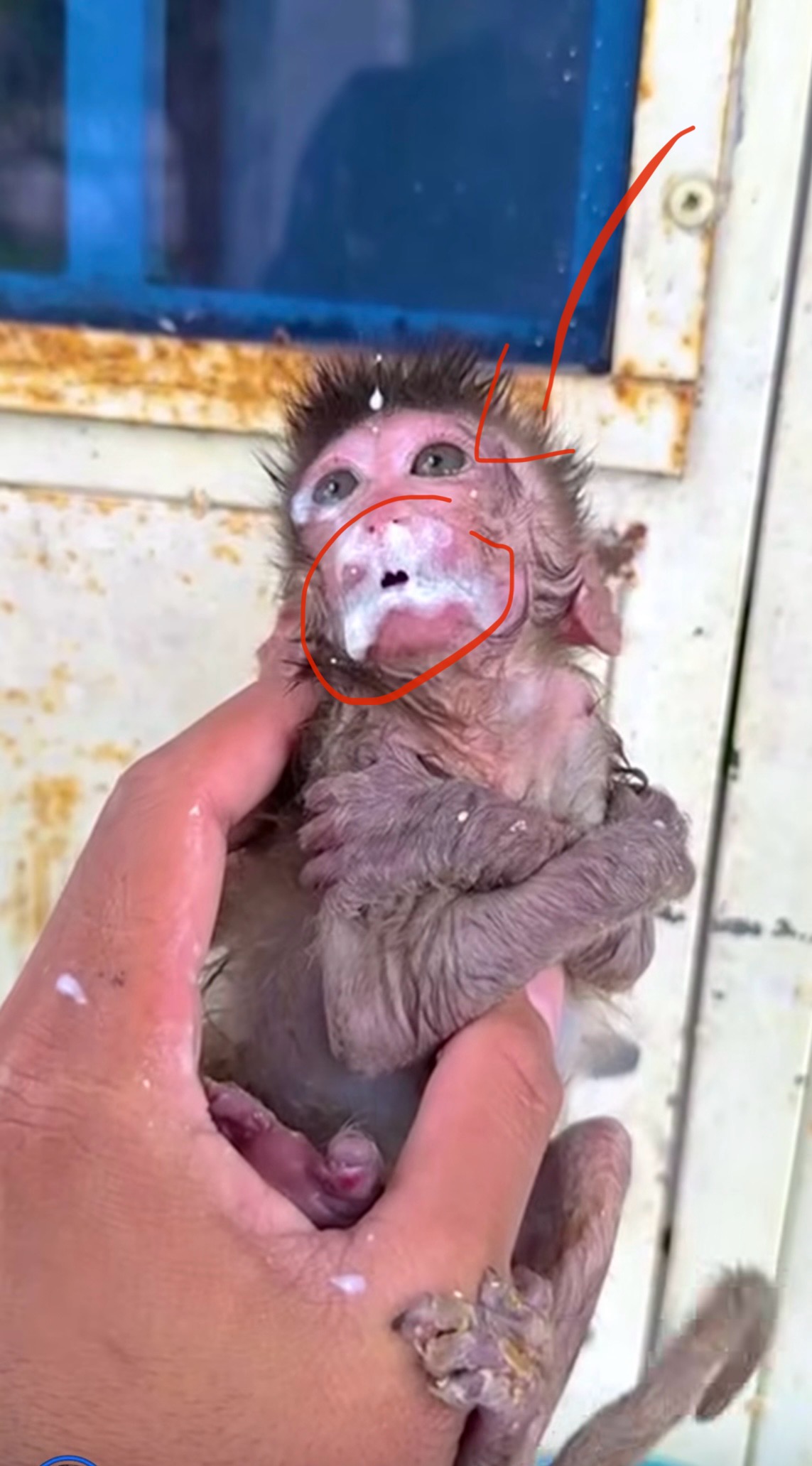
Influenza, commonly known as the flu, is often discussed in the context of human health, but it can also affect animals, including newborn monkeys. In primate populations—both in the wild and in captive environments such as research centers, zoos, and sanctuaries—flu infections in newborn monkeys are a serious concern due to their fragile immune systems. Understanding how flu impacts infant monkeys is essential for improving survival rates and ensuring healthy development.
Newborn monkeys are especially vulnerable during the first weeks of life. Their immune systems are still developing, and they rely heavily on maternal antibodies passed through the placenta and later through milk. If the mother has not developed immunity to circulating flu viruses, the newborn may have little natural protection. Exposure can occur through close contact with infected adults, caregivers, or contaminated environments.
Flu symptoms in newborn monkeys can be subtle at first but may progress rapidly. Early signs often include lethargy, reduced feeding, nasal discharge, sneezing, and mild coughing. As the illness advances, affected infants may develop breathing difficulties, fever, dehydration, and significant weight loss. Because newborn monkeys cannot regulate body temperature efficiently, even a mild infection can become life-threatening if not addressed promptly.
One of the major challenges in managing flu in newborn monkeys is early detection. Infant primates cannot communicate discomfort, and symptoms may resemble other neonatal conditions. Caregivers and veterinarians must closely monitor behavior changes such as decreased clinging to the mother, weak vocalizations, or lack of interest in nursing. Rapid diagnosis allows for timely supportive care, which is often the most critical factor in recovery.
Treatment for flu in newborn monkeys generally focuses on supportive care rather than aggressive medication. Keeping the infant warm, hydrated, and well-nourished is essential. In some cases, veterinarians may provide fluids, oxygen support, or medications to prevent secondary bacterial infections. Isolation may also be necessary to prevent the virus from spreading to other vulnerable animals.
Prevention plays a vital role in reducing flu-related deaths among newborn monkeys. Ensuring that adult monkeys and human caregivers follow strict hygiene protocols can significantly lower transmission risks. Limiting unnecessary human contact, maintaining clean enclosures, and monitoring adult primates for flu-like symptoms are key preventive strategies. In managed environments, health screening and quarantine procedures help protect newborns during their most vulnerable stage of life.
Beyond immediate health concerns, flu infections can have long-term effects on growth and development if a newborn survives a severe illness. Respiratory damage, delayed physical growth, or weakened immunity may persist, emphasizing the importance of prevention and early care.
In conclusion, flu in newborn monkeys is a serious health issue that requires awareness, vigilance, and compassionate care. By understanding the risks, recognizing early symptoms, and implementing strong preventive measures, caregivers and wildlife professionals can improve outcomes and help ensure that newborn monkeys have a healthy start to life.