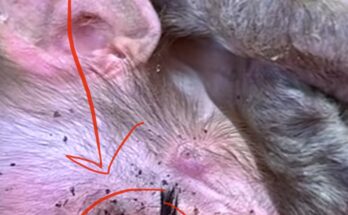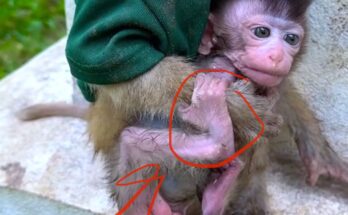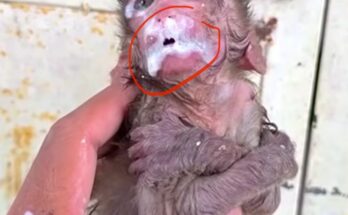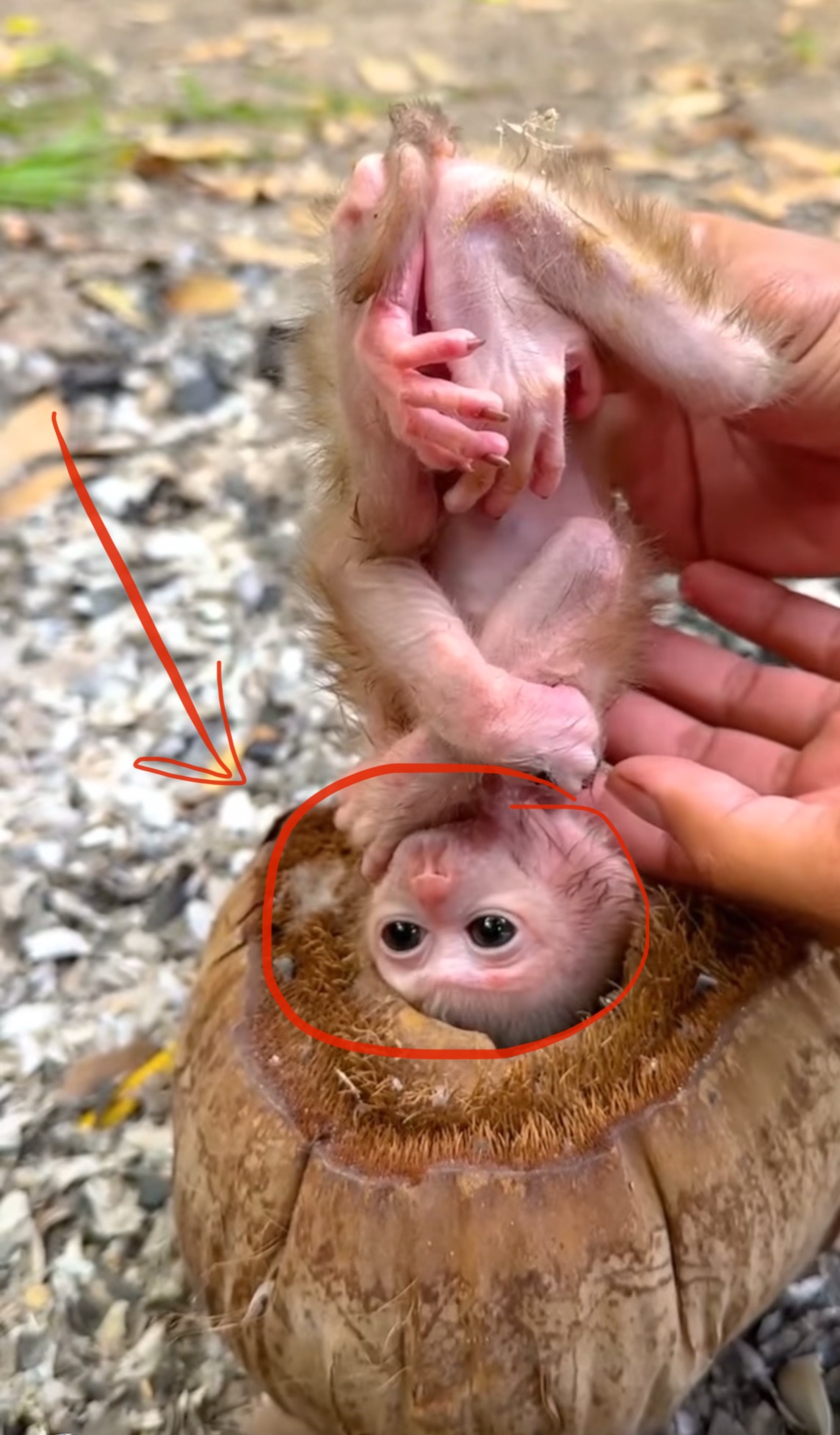
Milk is the first and most important source of nutrition for all newborn mammals, including monkeys. In the wild and in captivity, a baby monkey depends almost entirely on its mother’s milk during the earliest days of life. So what happens if a newborn baby monkey goes without milk for as long as 10 hours? The effects can range from mild stress to serious health risks, depending on the baby’s age, species, and overall condition.
The Importance of Early Milk Intake
During the first days after birth, a baby monkey’s stomach is small and its energy reserves are very limited. Milk provides not only calories but also essential fluids, fats, proteins, vitamins, and antibodies. These antibodies help protect the newborn from infections while its own immune system is still developing. Missing milk for several hours means missing all of these critical supports at once.
Energy Loss and Weakness
One of the earliest effects of not drinking milk for 10 hours is a drop in energy. Newborn monkeys need to feed frequently—often every one to three hours. Without milk, their blood sugar levels can fall, leading to weakness, less movement, and reduced ability to cling to their mother. In species where babies must cling constantly to stay safe, this weakness can increase the risk of injury or separation.
Dehydration Risks
Milk is also the main source of fluids for a newborn monkey. Going 10 hours without feeding can begin to cause dehydration, especially in warm environments. Dehydration in newborns can happen faster than in older animals because their bodies are small and lose water more quickly. Early signs may include dry mouth, less responsiveness, and reduced urination.
Impact on Body Temperature
Newborn monkeys are not very good at regulating their own body temperature. Milk provides energy that helps them stay warm. Without feeding, the baby may struggle to maintain normal body heat, particularly at night or in cooler conditions. This can lead to lethargy and further stress on the body.
Immune System Concerns
If the missed feeding happens very soon after birth, the risk is higher. Early milk contains special immune-boosting components that protect against disease. Missing out on these early feeds can leave a newborn more vulnerable to infections, even if feeding resumes later.
Can a Baby Monkey Recover?
In some cases, a healthy newborn monkey may recover if feeding resumes after 10 hours, especially if it is kept warm and hydrated. However, repeated or prolonged gaps in feeding can slow growth, weaken the immune system, and increase the risk of serious illness.
Final Thoughts
While 10 hours without milk may not always be fatal, it is a significant concern for a newborn baby monkey. Frequent feeding is essential for energy, hydration, warmth, and immune protection. Whether in the wild or under human care, ensuring regular access to milk is one of the most important factors for a baby monkey’s survival and healthy development.