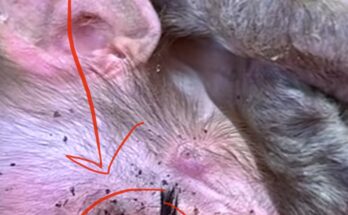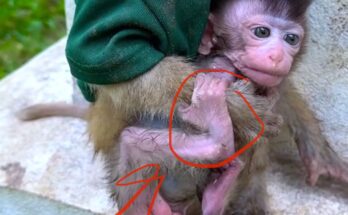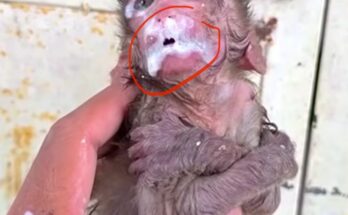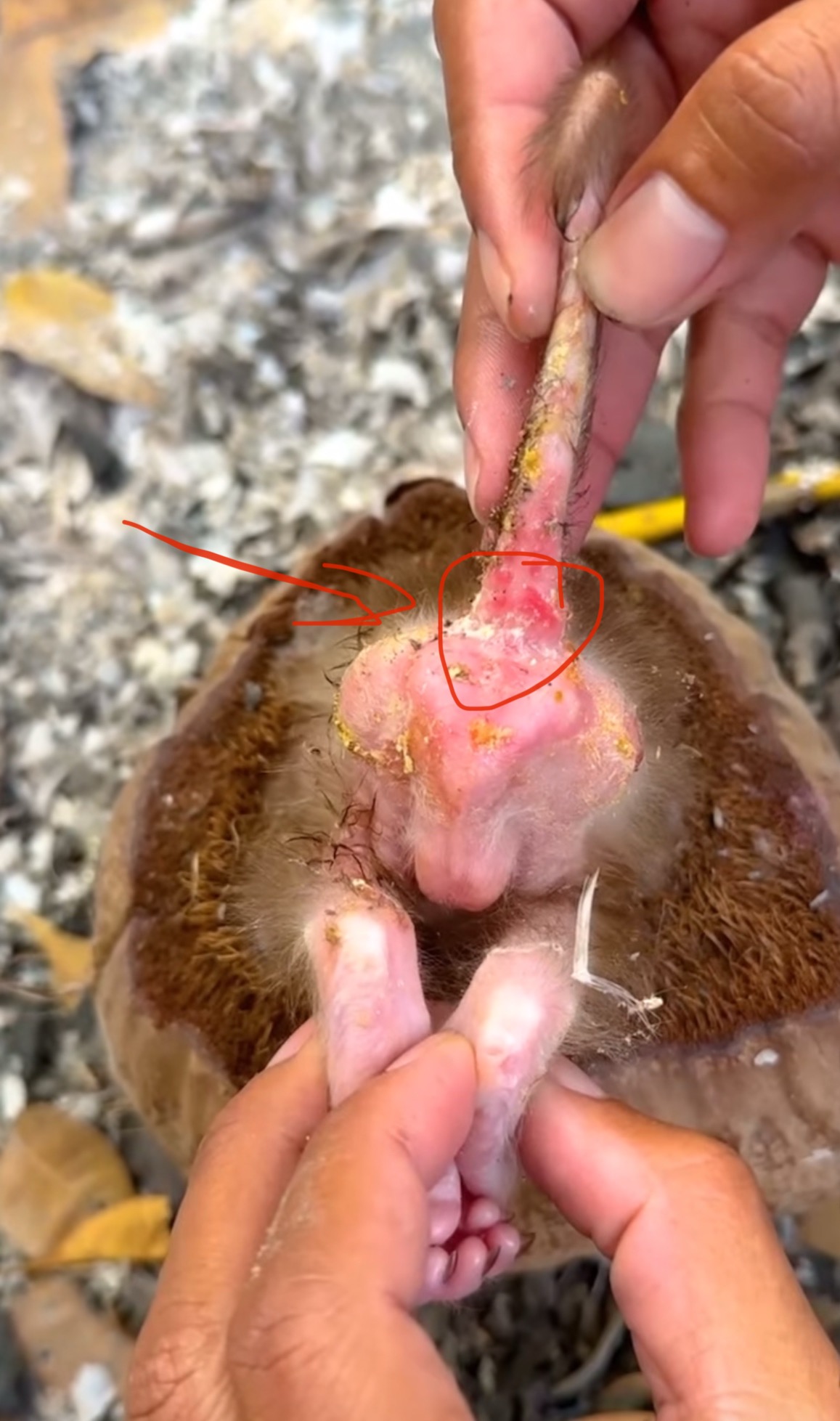
Newborn monkeys, like human infants, are born with delicate bodies and developing immune systems. Because of this vulnerability, even conditions that seem minor—such as a skin infection—can sometimes become life-threatening if not recognized and treated promptly. Understanding how skin infections affect newborn monkeys helps caregivers, researchers, and wildlife professionals protect these fragile animals.
Why Newborn Monkeys Are Especially Vulnerable
At birth, a monkey’s immune system is not fully mature. Newborns rely heavily on antibodies passed from their mother, usually through the placenta and early nursing. If a mother is stressed, malnourished, ill, or unable to provide sufficient care, the infant’s immune defenses may be weaker than normal. This makes it easier for bacteria, fungi, or parasites to invade through the skin.
In addition, newborn monkeys have very thin and sensitive skin. Small scratches, insect bites, or irritation from dirty or damp environments can create openings that allow germs to enter the body. What starts as a small skin lesion can quickly turn into a serious infection.
How Skin Infections Can Become Dangerous
A skin infection by itself may not always be fatal, but complications can make it extremely dangerous for newborn monkeys. Bacteria can spread from the skin into the bloodstream, leading to a condition known as sepsis. Sepsis overwhelms the body and can cause organ failure if not treated quickly.
Newborn monkeys also struggle to regulate body temperature and hydration. Skin infections often cause inflammation, fluid loss, and pain, which may prevent the infant from nursing properly. When a newborn stops feeding, weakness and dehydration can set in rapidly, increasing the risk of death.
In some cases, fungal or bacterial infections produce toxins that further damage tissues. Because newborn monkeys cannot effectively fight these infections on their own, the illness can progress much faster than it would in an adult.
Environmental and Social Factors
Poor hygiene, overcrowding, and stress significantly increase the risk of skin infections. In captive settings, unclean bedding, high humidity, or exposure to infected animals can contribute to outbreaks. In the wild, infants may be exposed to parasites, insects, or contaminated surfaces, especially if the troop’s habitat is disturbed or resources are scarce.
Social factors also matter. If a mother is inexperienced, ill, or rejected by the group, her infant may not receive proper grooming and protection. Grooming plays an important role in keeping skin healthy and free from harmful organisms.
Prevention and Early Intervention
The good news is that many skin infections are preventable and treatable. Clean environments, proper nutrition for mothers, and reduced stress are key preventive measures. Careful monitoring of newborn monkeys for signs such as redness, swelling, hair loss, or unusual behavior can lead to early diagnosis.
With prompt veterinary care—including appropriate medications and supportive feeding—many infected newborn monkeys can recover fully.
Conclusion
Yes, a skin infection can cause the death of newborn monkeys, especially when combined with weak immunity, poor nutrition, or delayed treatment. However, with awareness, good care practices, and early intervention, the risks can be greatly reduced. Protecting newborn monkeys begins with understanding how vulnerable they are—and acting quickly when problems appear.