Caring for a newborn baby monkey is challenging, and when severe diarrhea is involved, the responsibility becomes even more critical. Diarrhea in infant primates can quickly lead to dehydration, weakness, and life-threatening complications. Proper care focuses on warmth, hydration, hygiene, nutrition, and immediate professional support. This guide explains safe, responsible steps to support a newborn baby monkey while prioritizing its health and survival.
1. Seek Veterinary or Wildlife Expert Help Immediately
Severe diarrhea in a newborn monkey is a medical emergency. Infant monkeys have delicate immune systems, and diarrhea can be caused by infections, parasites, improper feeding, or stress. A veterinarian experienced with exotic animals or a licensed wildlife rehabilitator should be contacted as soon as possible. Home care should only be supportive and never a replacement for professional treatment.
2. Prevent Dehydration
Dehydration is the biggest danger associated with diarrhea. A baby monkey can lose fluids very quickly. Ensure the infant receives frequent, small amounts of appropriate rehydration fluids recommended by a professional. Fluids should be given gently and carefully to avoid choking. Watch closely for signs of dehydration such as dry mouth, sunken eyes, lethargy, or reduced urination.
3. Maintain Proper Warmth
Newborn monkeys cannot regulate their body temperature well, especially when sick. Keep the baby warm using a soft blanket, heating pad on a low setting, or warm water bottle wrapped in cloth. The environment should be quiet, draft-free, and calm. Avoid overheating, as this can worsen dehydration.
4. Practice Strict Hygiene
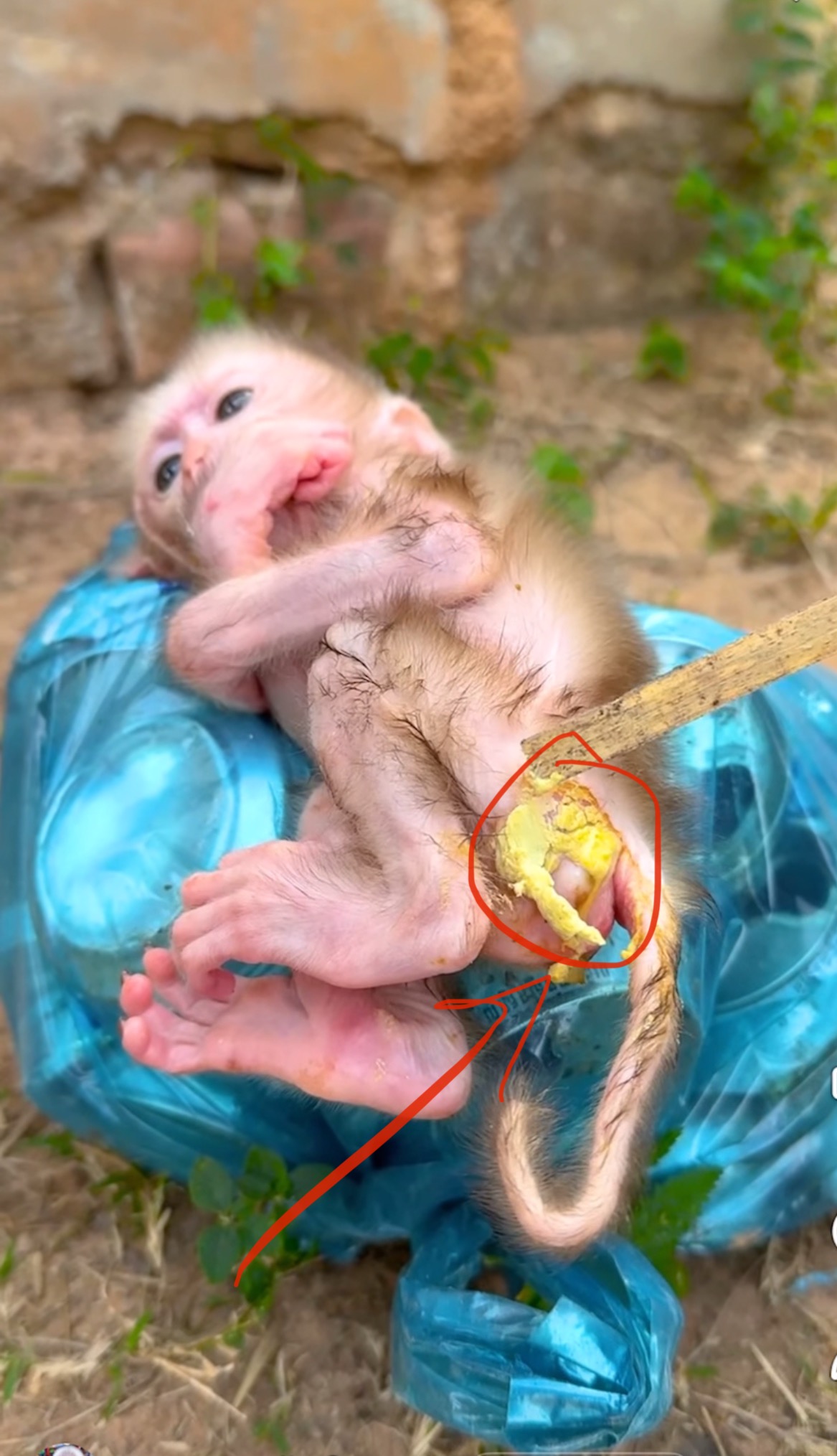
Diarrhea increases the risk of infection spread. Clean the baby monkey gently after each episode using warm water and soft cloths. Keep bedding dry and change it frequently. Wash hands thoroughly before and after handling the infant to protect both the monkey and the caregiver. Clean feeding tools and surfaces carefully to prevent reinfection.
5. Support Gentle Nutrition
Feeding must be appropriate for a newborn monkey’s age and condition. Overfeeding or incorrect formulas can worsen diarrhea. Feed small, frequent amounts as advised by a professional. Never introduce new foods during illness unless specifically instructed. Monitor how the baby responds to feeding and report any changes to the veterinarian or rehabilitator.
6. Reduce Stress and Monitor Closely
Stress can make diarrhea worse. Keep handling minimal and gentle. Provide comfort through soft sounds and consistent care. Observe the baby closely for changes in stool, energy level, appetite, and behavior. Keeping simple notes can help professionals assess progress and adjust care.
7. Think Long-Term and Ethically
In many regions, caring for a baby monkey requires special permits. Whenever possible, the goal should be recovery and placement with a licensed wildlife center or appropriate social environment. Long-term survival depends on expert care, proper socialization, and species-specific needs.
Conclusion
Caring for a newborn baby monkey with severe diarrhea requires urgency, compassion, and professional guidance. By focusing on hydration, warmth, hygiene, and expert support, caregivers can stabilize the infant and give it the best possible chance to recover safely and ethically.