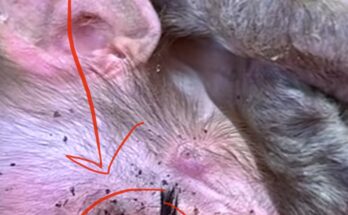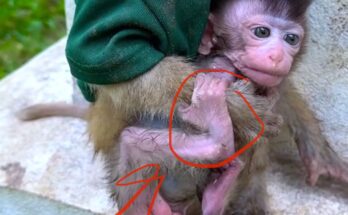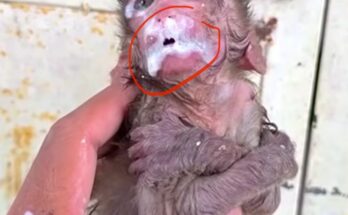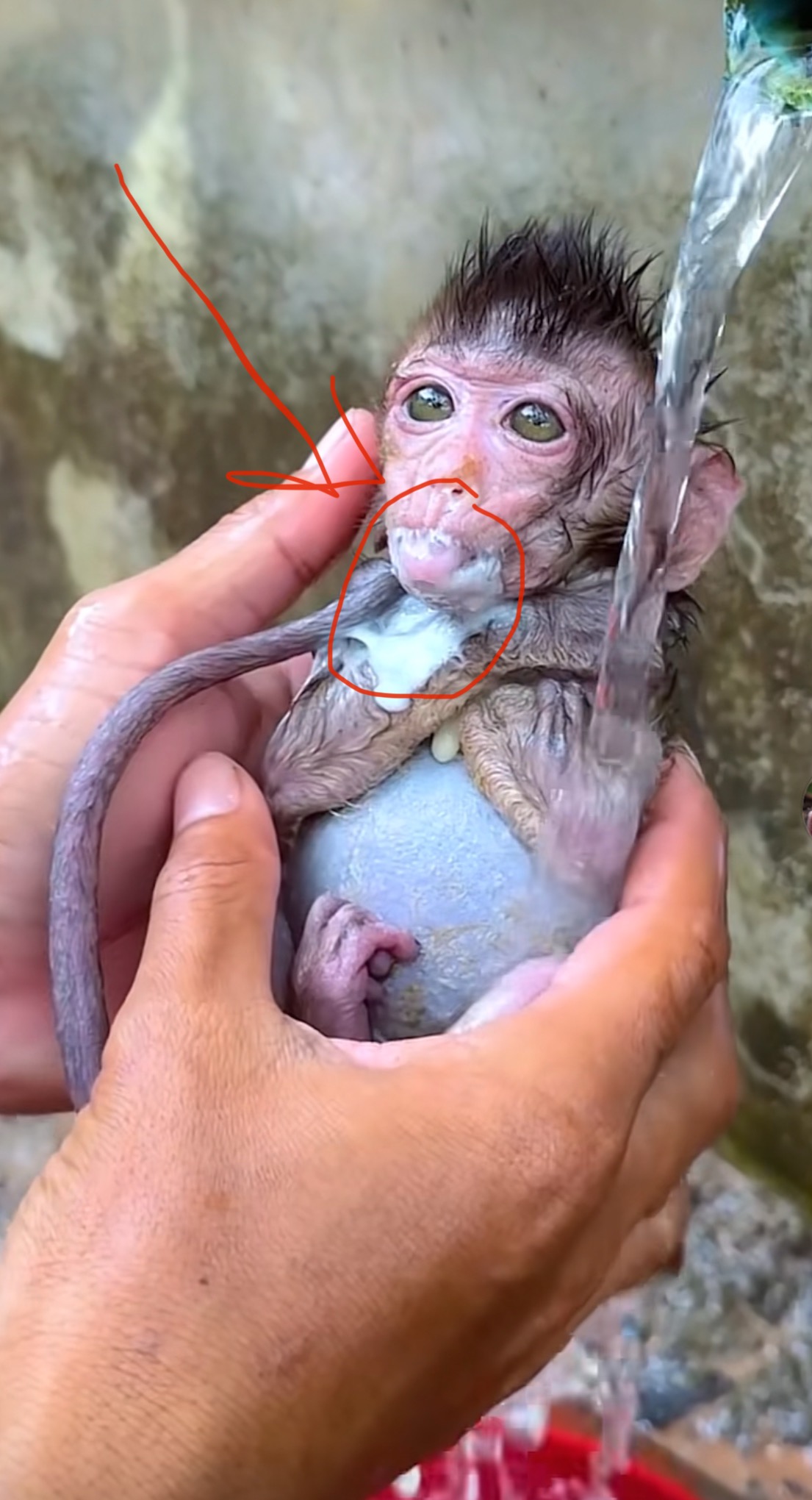
Gastritis, or inflammation of the stomach lining, can affect newborn monkeys just as it does other mammals. Because infant primates are fragile and depend entirely on caregivers, recognizing early signs of gastritis is essential for improving outcomes and preventing serious complications. Below is a clear, educational overview suitable for a website audience, focusing on common signs, behavioral changes, and why early attention matters.
Changes in Feeding Behavior
One of the earliest signs of gastritis in newborn monkeys is a noticeable change in feeding. Healthy infants typically nurse frequently and with enthusiasm. A newborn with gastritis may nurse less often, stop feeding earlier than usual, or refuse milk altogether. Caregivers may also notice difficulty latching or frequent pulling away during feeding, which can signal stomach discomfort.
Vomiting or Regurgitation
Frequent vomiting or regurgitation after feeding is another common indicator. While occasional spit-up can be normal, repeated episodes—especially when combined with poor appetite—may suggest irritation or inflammation of the stomach lining. Vomit may appear milky, foamy, or slightly yellowish due to stomach fluids.
Diarrhea or Abnormal Stool
Gastritis often affects digestion, leading to loose stools or diarrhea. In newborn monkeys, stool may become watery, unusually frequent, or foul-smelling. Any presence of mucus or an abnormal color can also be a warning sign. Because infants dehydrate quickly, diarrhea is particularly concerning and requires prompt attention.
Abdominal Discomfort and Crying
Newborn monkeys cannot communicate pain directly, but they often show discomfort through behavior. Persistent crying, whining, or high-pitched vocalizations—especially after feeding—may indicate abdominal pain. Some infants may curl their bodies, draw their legs toward their abdomen, or appear tense when touched around the belly area.
Lethargy and Weakness
A newborn monkey with gastritis may appear unusually tired or weak. Instead of being alert and responsive, the infant may sleep more than normal, show little interest in surroundings, or respond slowly to stimulation. This lethargy often results from poor nutrient absorption, dehydration, or ongoing discomfort.
Poor Weight Gain
Consistent weight gain is a key sign of good health in newborn monkeys. Gastritis can interfere with proper digestion and nutrient absorption, leading to slow or stalled growth. Caregivers may notice that the infant feels lighter, looks thinner, or fails to develop at the expected rate.
Dehydration Signs
Because gastritis can involve vomiting and diarrhea, dehydration is a serious risk. Signs include dry mouth, sunken eyes, reduced urination, and decreased skin elasticity. In newborn monkeys, dehydration can develop rapidly and become life-threatening if not addressed.
Importance of Early Care
Gastritis in newborn monkeys can be caused by infections, inappropriate feeding practices, stress, or underlying health conditions. Early recognition of the signs allows for timely veterinary care, dietary adjustments, and supportive treatment. Prompt intervention not only relieves discomfort but also greatly improves survival and long-term health.
Understanding these signs helps caregivers, researchers, and wildlife professionals protect newborn monkeys during their most vulnerable stage of life.