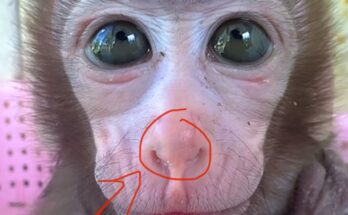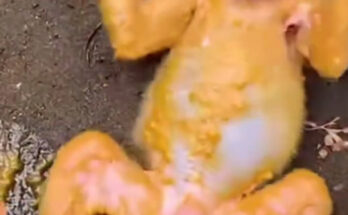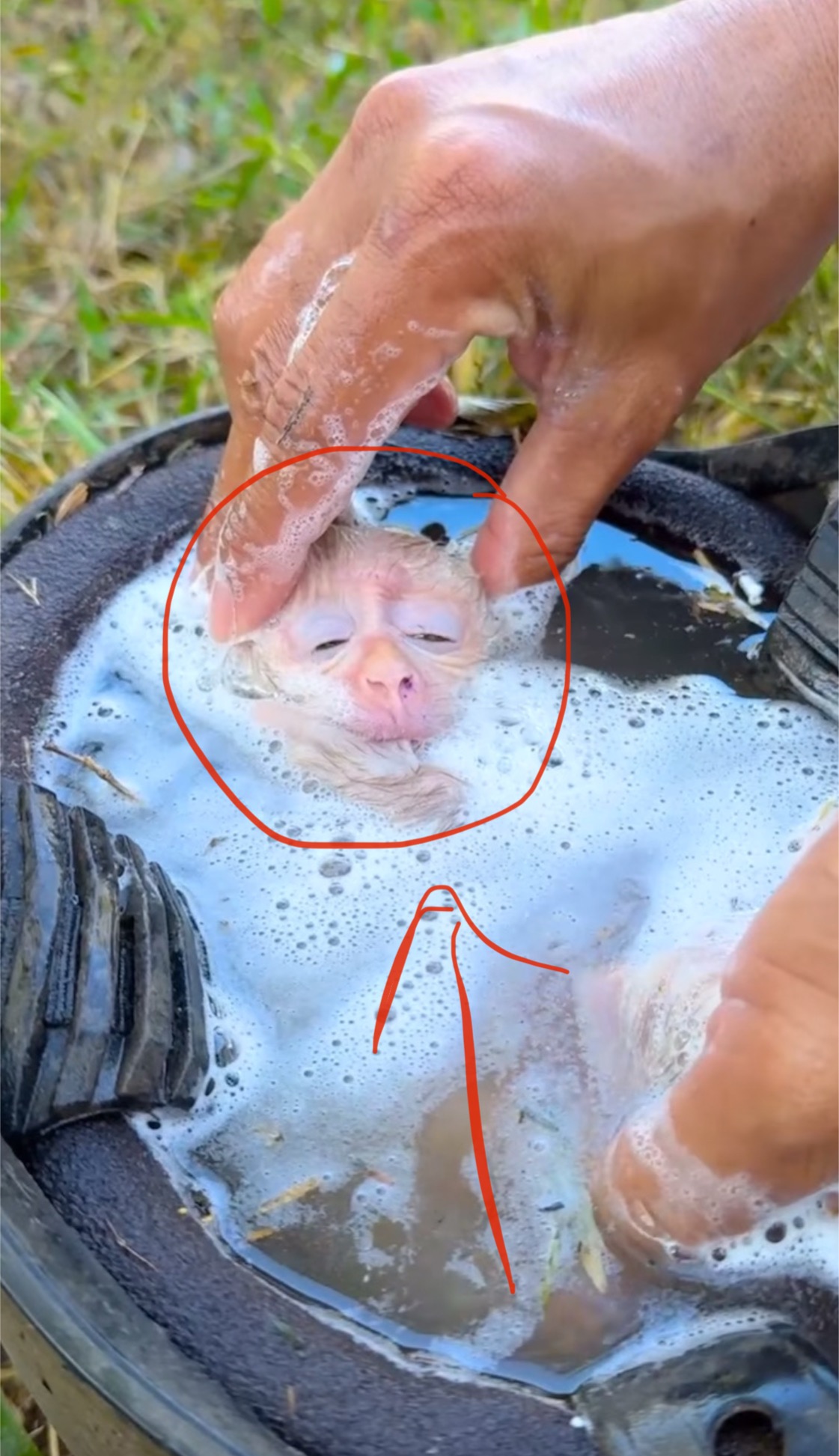
Hygiene plays a critical role in the health and survival of monkeys, whether they live in the wild, zoos, sanctuaries, or near human settlements. When hygiene is poor—due to contaminated food, dirty living spaces, polluted water, or close contact with waste—monkeys become vulnerable to a wide range of diseases. These illnesses can weaken individuals, spread rapidly within groups, and in some cases even pose risks to humans.
1. Gastrointestinal Infections
One of the most common consequences of poor hygiene in monkeys is digestive disease. Dirty water, spoiled food, and exposure to feces can introduce bacteria and parasites such as Salmonella, E. coli, and Giardia. These infections often cause diarrhea, dehydration, weight loss, and weakness. Young monkeys are especially vulnerable, as severe dehydration can be life-threatening.
2. Parasitic Infestations
Unsanitary environments allow internal and external parasites to thrive. Roundworms, hookworms, tapeworms, lice, and mites are frequently found in monkeys living in unhygienic conditions. Internal parasites steal nutrients from the host, leading to malnutrition, anemia, and stunted growth. External parasites can cause intense itching, hair loss, skin wounds, and secondary infections.
3. Skin and Fungal Diseases
Poor grooming conditions and constant exposure to damp, dirty surroundings can lead to skin infections. Fungal diseasessuch as ringworm are common in monkeys and spread easily through contact. Bacterial skin infections may develop from small cuts that become contaminated. These conditions can cause sores, scabs, inflammation, and discomfort, making monkeys more prone to stress and aggression.
4. Respiratory Illnesses
Living in crowded or dirty shelters with poor ventilation increases the risk of respiratory infections. Bacteria and viruses can spread quickly through sneezing, coughing, or contaminated surfaces. Monkeys suffering from respiratory illness may show symptoms such as nasal discharge, coughing, lethargy, and difficulty breathing. Poor hygiene weakens their immune systems, making recovery slower.
5. Zoonotic Diseases
Lack of hygiene not only affects monkeys but also increases the risk of zoonotic diseases, which can spread between animals and humans. Monkeys exposed to human waste or garbage may contract diseases like tuberculosis or certain intestinal infections. In areas where monkeys and humans live close together, unhygienic conditions raise health risks for both.
6. Weakened Immune System
Chronic exposure to filth, parasites, and repeated infections puts constant strain on a monkey’s immune system. Over time, this makes them less capable of fighting off even minor illnesses. Stress caused by poor living conditions further reduces immunity, leading to shorter lifespans and lower reproductive success.
Importance of Proper Hygiene
Maintaining clean living areas, safe water sources, and proper waste management is essential for monkey health. In captivity, regular enclosure cleaning and veterinary care are crucial. In the wild and urban environments, reducing pollution and unmanaged waste can greatly improve their well-being.
In conclusion, lack of hygiene can cause a wide range of diseases in monkeys, affecting their digestion, skin, respiratory system, and overall immunity. Promoting cleanliness and environmental responsibility is key to protecting these intelligent and social animals.