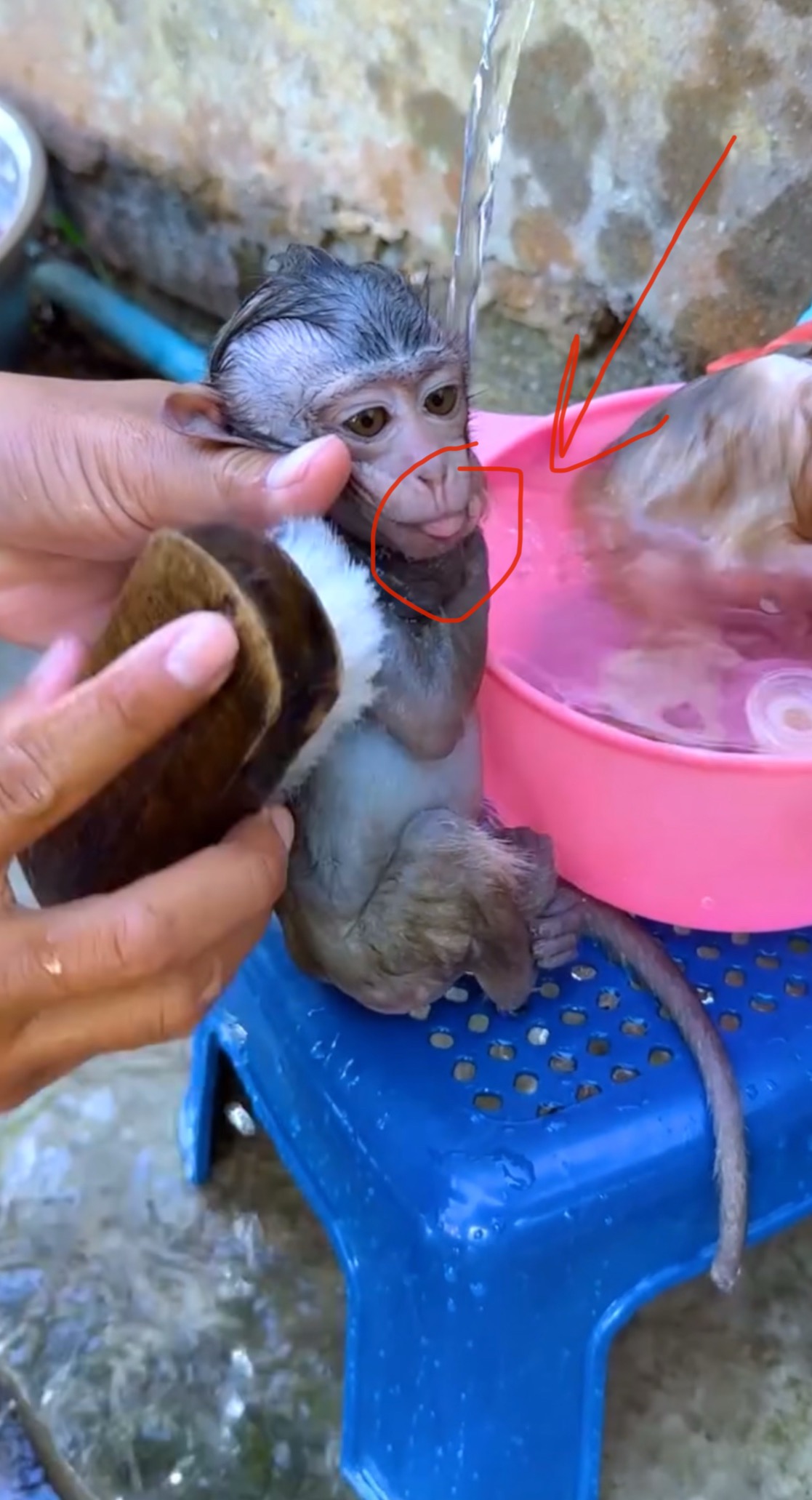
Caring for newborn animals—especially highly sensitive primates like baby monkeys—often raises questions rooted in human caregiving habits. One such question is whether giving a newborn baby monkey a hot bath offers any benefits. While the idea may sound comforting from a human perspective, it’s important to separate myth from science and place animal welfare first.
The Origin of the Idea
Humans often associate warm baths with relaxation, cleanliness, and comfort for babies. This association sometimes carries over to animals, leading to the belief that a hot bath could help a newborn monkey feel calm, clean, or warm. However, monkeys are not humans, and their biological needs—especially at birth—are very different.
Temperature Regulation in Newborn Monkeys
Newborn monkeys are extremely delicate. Their ability to regulate body temperature is limited, and in the wild they rely almost entirely on constant physical contact with their mother. The mother’s body heat, grooming behaviors, and protective posture provide warmth in a controlled and instinctive way. Introducing external heat sources like hot water can disrupt this balance rather than improve it.
Are There Any Real Benefits?
From a scientific and veterinary standpoint, there are no proven benefits to giving a newborn baby monkey a hot bath. Cleanliness in primates is naturally maintained through maternal grooming, not bathing. Additionally, exposure to hot water does not improve health, immunity, or bonding in monkeys.
What some may perceive as “benefits”—such as relaxation or warmth—are actually better and more safely provided through natural behaviors like maternal contact, nesting, and appropriate environmental temperature.
Potential Risks and Concerns
Instead of benefits, hot baths pose several serious risks:
-
Overheating: Newborn monkeys can quickly overheat, leading to stress or medical emergencies.
-
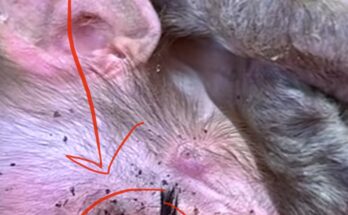
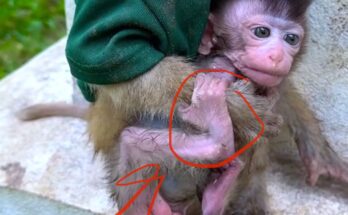
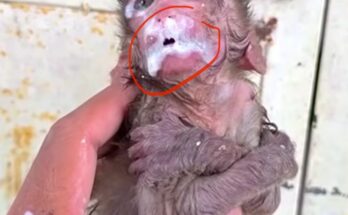
Skin damage: Their skin is thin and sensitive, making it vulnerable to burns or irritation.
-
Stress and trauma: Forced handling and unfamiliar sensations can cause fear and long-term stress.
-
Health complications: Exposure to water can increase the risk of respiratory issues if the infant becomes chilled afterward.
Ethical and Welfare Considerations
Monkeys are highly intelligent, social animals, and newborns are especially vulnerable. Ethical animal care prioritizes natural behaviors and environments. Any intervention—especially one inspired by human habits—should only occur under the guidance of trained veterinarians or wildlife professionals.
In rescue or rehabilitation settings, warming methods (if needed) are carefully controlled, indirect, and medically supervised—never casual or experimental.
Conclusion
While the idea of giving a newborn baby monkey a hot bath may come from a place of care, it offers no real benefits and carries significant risks. Proper warmth, cleanliness, and comfort for infant monkeys are best achieved through natural maternal care or professional veterinary support. Understanding and respecting these needs is essential to ensuring the health, safety, and ethical treatment of these remarkable animals.