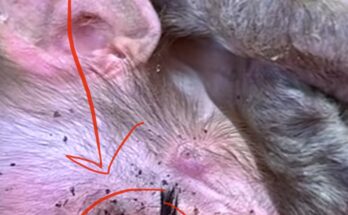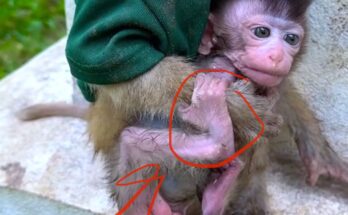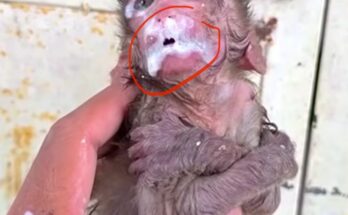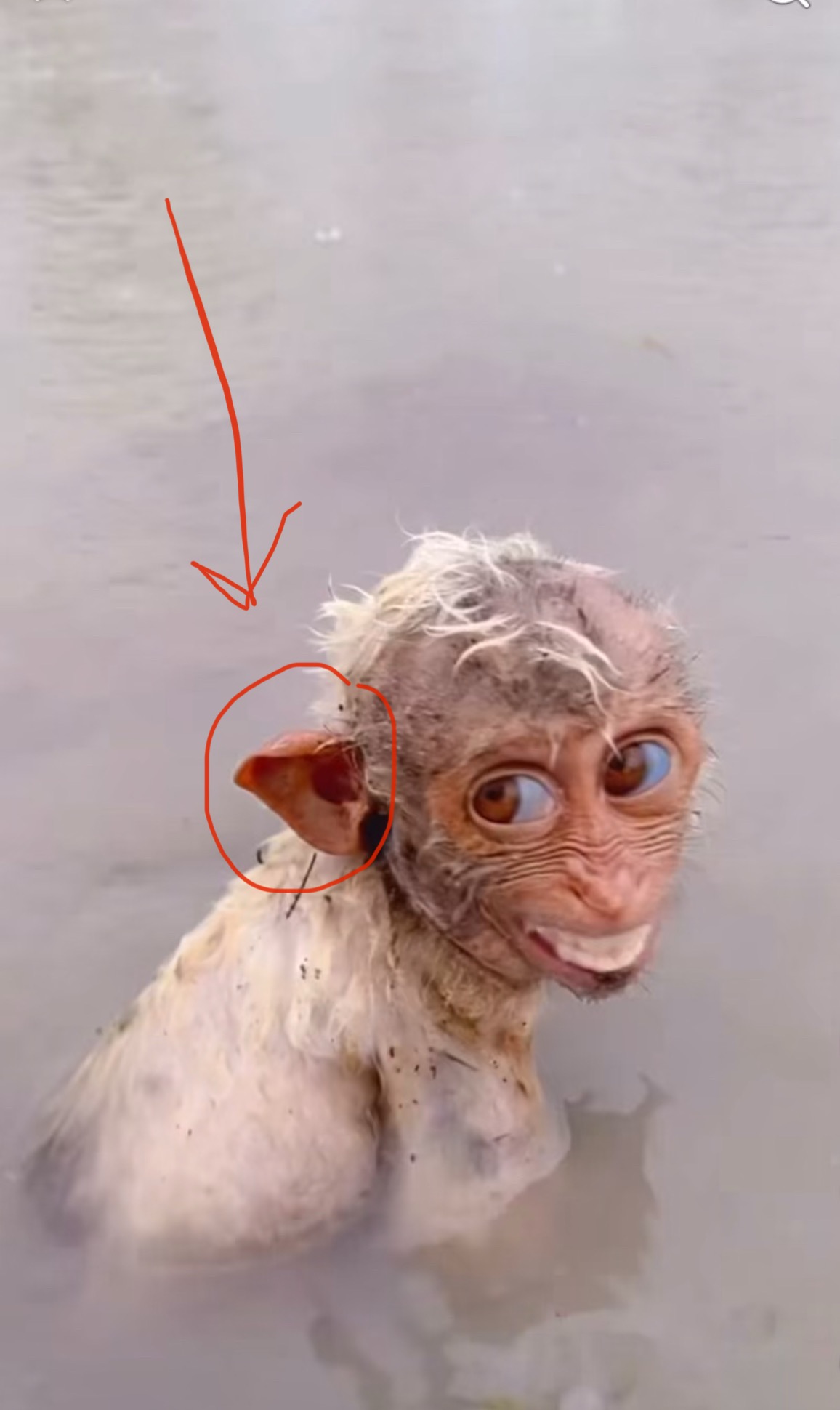
Fur loss in baby monkeys can be worrying to see, especially because a healthy coat is essential for warmth, protection, and normal development. While occasional thinning can be part of natural growth, noticeable or patchy fur loss often points to underlying problems. Understanding the possible causes helps caregivers, researchers, and wildlife enthusiasts recognize when a young monkey may need help.
1. Malnutrition and Poor Diet
One of the most common reasons baby monkeys lose their fur is malnutrition. Young monkeys rely heavily on their mother’s milk in the early weeks, followed by gradual introduction to solid foods. If the mother is undernourished or the baby does not receive enough protein, vitamins, and minerals, fur growth can slow or stop. Deficiencies in nutrients like protein, zinc, and essential fatty acids often result in thin, brittle fur or bald patches.
2. Stress and Psychological Factors
Stress plays a major role in fur loss, especially in captive or rescued baby monkeys. Separation from the mother, frequent handling, loud environments, or social isolation can trigger stress-related hair loss. In some cases, stressed baby monkeys may over-groom themselves or be over-groomed by others, leading to bald areas. Chronic stress also affects hormone levels, which can interfere with normal fur growth.
3. Parasitic Infections
External parasites such as mites, lice, and fleas are another major cause. Mange mites, in particular, burrow into the skin and cause intense itching, inflammation, and hair loss. Baby monkeys have more delicate skin and weaker immune systems, making them especially vulnerable. Scratching and skin damage caused by parasites often worsen fur loss and may lead to secondary infections.
4. Fungal and Bacterial Skin Diseases
Fungal infections like ringworm are common in young primates and can spread easily through contact. These infections create circular bald patches with scaly or irritated skin. Bacterial skin infections may also damage hair follicles, preventing fur from growing back until the infection is treated.
5. Maternal Neglect or Over-Grooming
A mother monkey’s behavior strongly affects her baby’s fur condition. Inexperienced or stressed mothers may neglect grooming, leading to skin problems. On the other hand, excessive grooming—by the mother or other group members—can pull out fur, especially in fragile infants.
6. Environmental Factors
Cold temperatures, poor sanitation, and exposure to harsh chemicals or pollutants can damage a baby monkey’s skin and fur. In captivity, improper enclosure conditions such as low humidity or unclean bedding can contribute to hair loss and skin irritation.
7. Genetic or Hormonal Issues
Less commonly, genetic conditions or hormonal imbalances can cause abnormal fur development. Problems with the thyroid or adrenal glands may affect hair growth, resulting in delayed or uneven fur coverage.
Conclusion
Fur loss in baby monkeys is rarely caused by a single factor. It is often the result of a combination of nutritional, environmental, medical, and psychological issues. Early observation and proper care—whether in the wild, rehabilitation centers, or captivity—are crucial to ensure healthy fur growth and overall well-being.