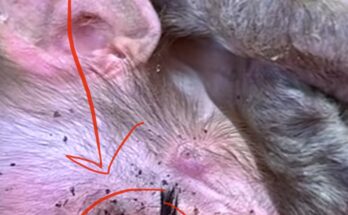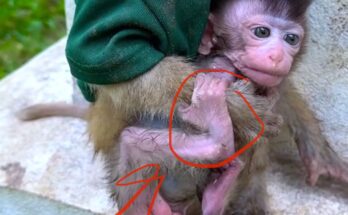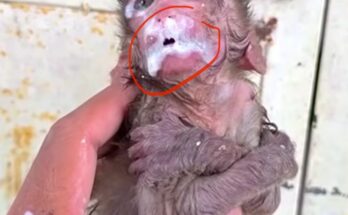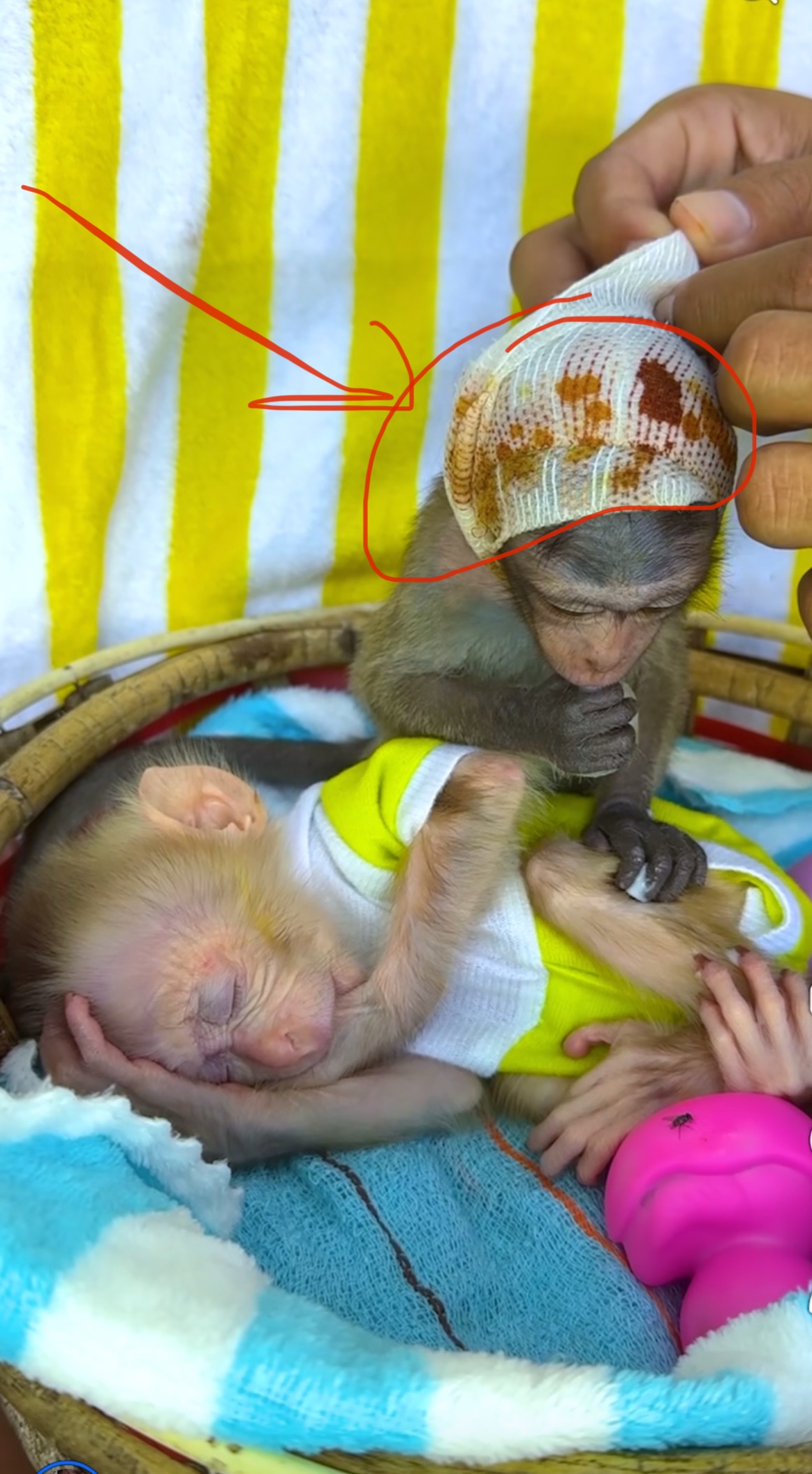
Caring for a baby monkey is an enormous responsibility, and it becomes even more serious when the animal suffers a head injury. Head injuries are medical emergencies for all primates, especially infants, whose brains and skulls are still developing. This article focuses on responsible, humane care and explains what to do—and what not to do—if a baby monkey has injured its head.
Understand the Urgency
A head injury can affect breathing, balance, vision, and consciousness. Even if the injury looks minor on the outside, internal damage may be present. Baby monkeys cannot communicate pain the way humans do, so quietness, confusion, excessive sleepiness, or unusual crying can all be warning signs. The most important principle to remember is this: a head injury requires professional help immediately.
Ensure Immediate Safety
If you encounter an injured baby monkey, the first step is to keep the environment calm and safe. Reduce noise, bright light, and handling. Stress can worsen the injury. If the monkey is with its mother in the wild, avoid separating them unless there is immediate danger. In captivity or rescue situations, place the baby in a warm, secure area where it cannot fall or bump its head again.
Do Not Attempt Home Treatment
It may be tempting to “fix” the problem yourself, but attempting to treat a head injury without training can cause severe harm. Do not press on the head, attempt to realign bones, give human medications, or force food or liquids. These actions can worsen brain injury or lead to choking. Well-meaning but untrained care often causes more damage than doing nothing.
Seek Professional Help Immediately
The only safe and ethical response is to contact a licensed veterinarian, wildlife rehabilitator, or primate rescue organization. These professionals have the equipment and knowledge needed to assess brain injuries, control swelling, manage pain safely, and provide proper nutrition during recovery. In many regions, caring for a monkey without a permit is illegal, so professional involvement is also a legal necessity.
Support Recovery Under Guidance
If professionals allow you to assist during recovery, your role may include maintaining warmth, following feeding instructions, and monitoring behavior. Recovery from a head injury can take time and requires close observation. Any change in movement, alertness, or appetite should be reported immediately.
Think Long-Term and Ethically
Baby monkeys are not pets. They have complex social, emotional, and physical needs that cannot be met in a typical home. A head injury may result in long-term challenges, making expert care even more critical. The goal should always be rehabilitation and, when possible, reunion with the mother or integration into an appropriate social group.
Final Thoughts
Caring for a baby monkey after a head injury is not about doing more—it is about doing what is right. Staying calm, avoiding harmful interventions, and getting professional help as quickly as possible can make the difference between life and death. Compassion guided by expertise is the only responsible path forward.