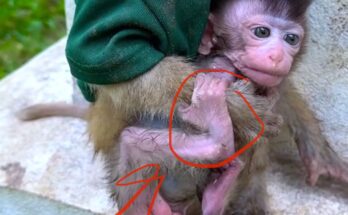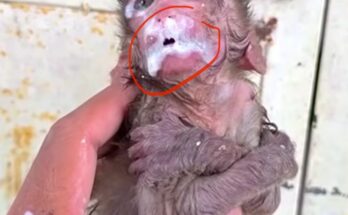
Newborn monkeys are among the most vulnerable members of the animal kingdom. Like human infants, they are born with developing immune systems and depend heavily on their mothers and environment for survival. When conditions are not ideal, young monkeys can become sick quickly. Understanding the main factors that affect their health helps researchers, wildlife caregivers, and conservationists protect these fragile animals.
1. Weak or Immature Immune Systems
One of the biggest reasons newborn monkeys become ill is their underdeveloped immune system. At birth, they have limited ability to fight infections on their own. They rely on antibodies passed from the mother, mainly through early feeding. If a baby monkey does not receive enough of this early protection, it becomes more vulnerable to bacteria, viruses, and parasites in its surroundings.
2. Poor Nutrition
Proper nutrition is critical during the first weeks of life. If the mother is malnourished, stressed, or unable to produce enough milk, the newborn may not get the nutrients it needs to grow and stay healthy. In some cases, inexperienced mothers may struggle with feeding, which can lead to weakness and illness in the infant. In captive settings, improper formula or feeding schedules can also cause digestive problems.
3. Maternal Stress or Illness
The health of the mother directly affects the health of her baby. If a mother monkey is sick, injured, or under significant stress, her ability to care for the newborn may be reduced. Stress can come from lack of food, habitat disturbance, predators, or human interference. This can result in less grooming, feeding, and protection, increasing the baby’s risk of sickness.
4. Environmental Conditions
Temperature and hygiene play a major role in newborn monkey health. Exposure to cold, excessive heat, or damp conditions can weaken a baby monkey quickly. Unsanitary environments—whether in the wild near polluted areas or in poorly maintained captive facilities—can expose newborns to harmful germs. Clean, stable surroundings are essential for preventing infections.
5. Exposure to Infectious Diseases
Newborn monkeys can contract diseases from other monkeys, their mothers, or contaminated environments. Close contact within social groups, while important for bonding, can also allow illnesses to spread easily. Because newborns cannot yet defend themselves effectively, even common infections can become serious.
6. Parasites
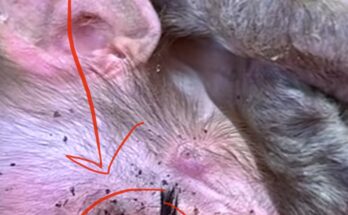
Internal and external parasites are another common cause of sickness. Parasites can be passed from the mother or picked up from the environment. In newborn monkeys, parasites may lead to weakness, poor growth, and increased susceptibility to other illnesses.
7. Human Impact
Human activity can indirectly cause sickness in newborn monkeys. Habitat destruction, pollution, and feeding wild monkeys inappropriate food can all harm maternal and infant health. In some cases, close contact with humans increases the risk of disease transmission.
Conclusion
Newborn monkeys become sick due to a combination of biological, environmental, and social factors. Weak immune systems, poor nutrition, maternal health issues, environmental stress, and human impact all play important roles. By protecting habitats, minimizing human interference, and ensuring proper care in captive settings, the chances of newborn monkeys growing into healthy adults can be greatly improved.