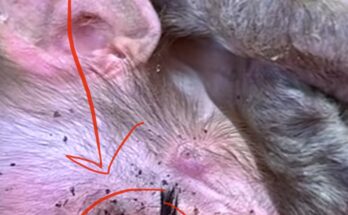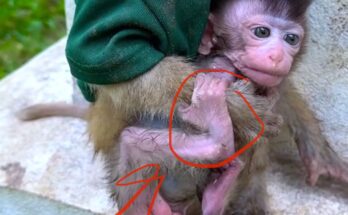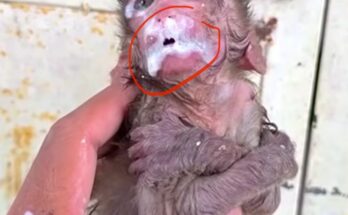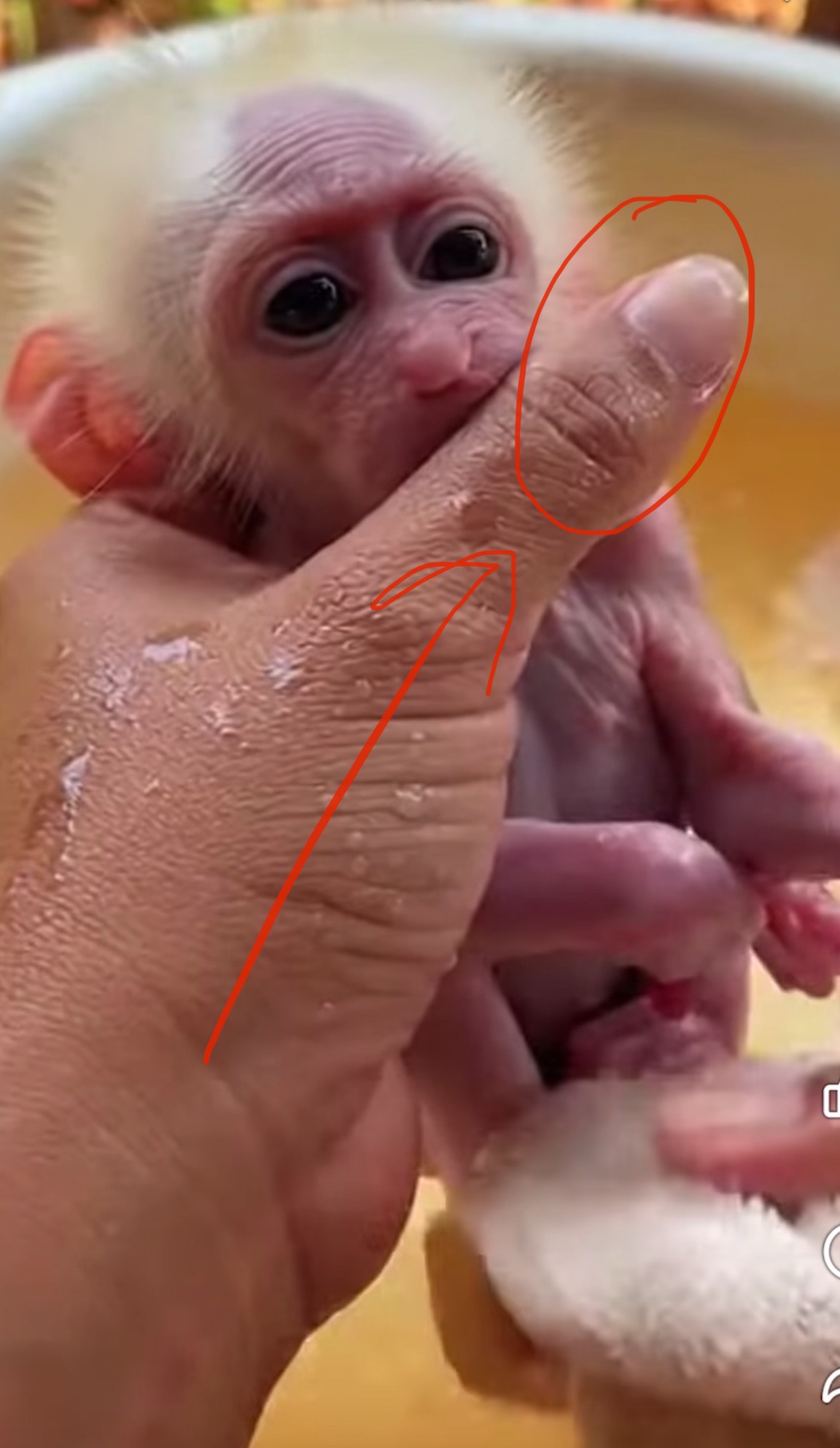
Hygiene plays a vital role in the health and survival of all newborn animals, including monkeys. In the wild and in captive environments, newborn monkeys face unique hygiene-related challenges that can significantly affect their growth, immunity, and overall well-being. Raising awareness about these challenges is important for conservationists, caregivers, researchers, and the general public who care about animal welfare.
Newborn monkeys are born with developing immune systems, which makes them especially vulnerable to infections. Unlike human infants, they do not have access to advanced medical care or sanitized environments, particularly in the wild. Their early days are spent clinging to their mothers, relying entirely on maternal care for warmth, nutrition, and protection. While maternal grooming helps reduce some hygiene risks, it is not always enough to prevent exposure to harmful bacteria, parasites, or environmental contaminants.
In natural habitats, newborn monkeys are exposed to soil, leaves, and water sources that may carry disease-causing organisms. Rainy seasons can increase moisture and mud, creating conditions where germs thrive. If a troop lives near human settlements, the risk can be even higher due to pollution, waste, and contaminated food sources. These factors can lead to digestive issues, skin problems, and weakened immunity in infants.
Hygiene concerns can be even more pronounced in captive settings such as poorly managed zoos, private ownership situations, or illegal wildlife trade environments. When proper sanitation is not maintained, newborn monkeys may be exposed to unclean enclosures, contaminated feeding tools, or overcrowded conditions. Stress caused by these environments can further reduce their ability to fight off illness. This highlights the importance of strict hygiene protocols, trained caregivers, and regular health monitoring in any setting where monkeys are kept.
Awareness is the first step toward improvement. Educating people about the specific hygiene needs of newborn monkeys helps promote better practices. Conservation organizations and wildlife educators play a key role by sharing information about responsible habitat management, ethical wildlife tourism, and the dangers of human interference. Simple actions, such as keeping natural habitats clean and avoiding feeding wild monkeys, can make a meaningful difference.
Research also contributes to awareness. Studies on primate health and behavior help experts understand how hygiene impacts infant survival rates. This knowledge can be used to develop better conservation strategies and care guidelines, ensuring that newborn monkeys have a healthier start to life.
In conclusion, the lack of proper hygiene poses a serious but often overlooked risk to newborn monkeys. By spreading awareness, supporting conservation efforts, and encouraging responsible human behavior, we can help protect these vulnerable animals. Healthy beginnings are essential not only for individual monkeys but also for the long-term survival of their species.