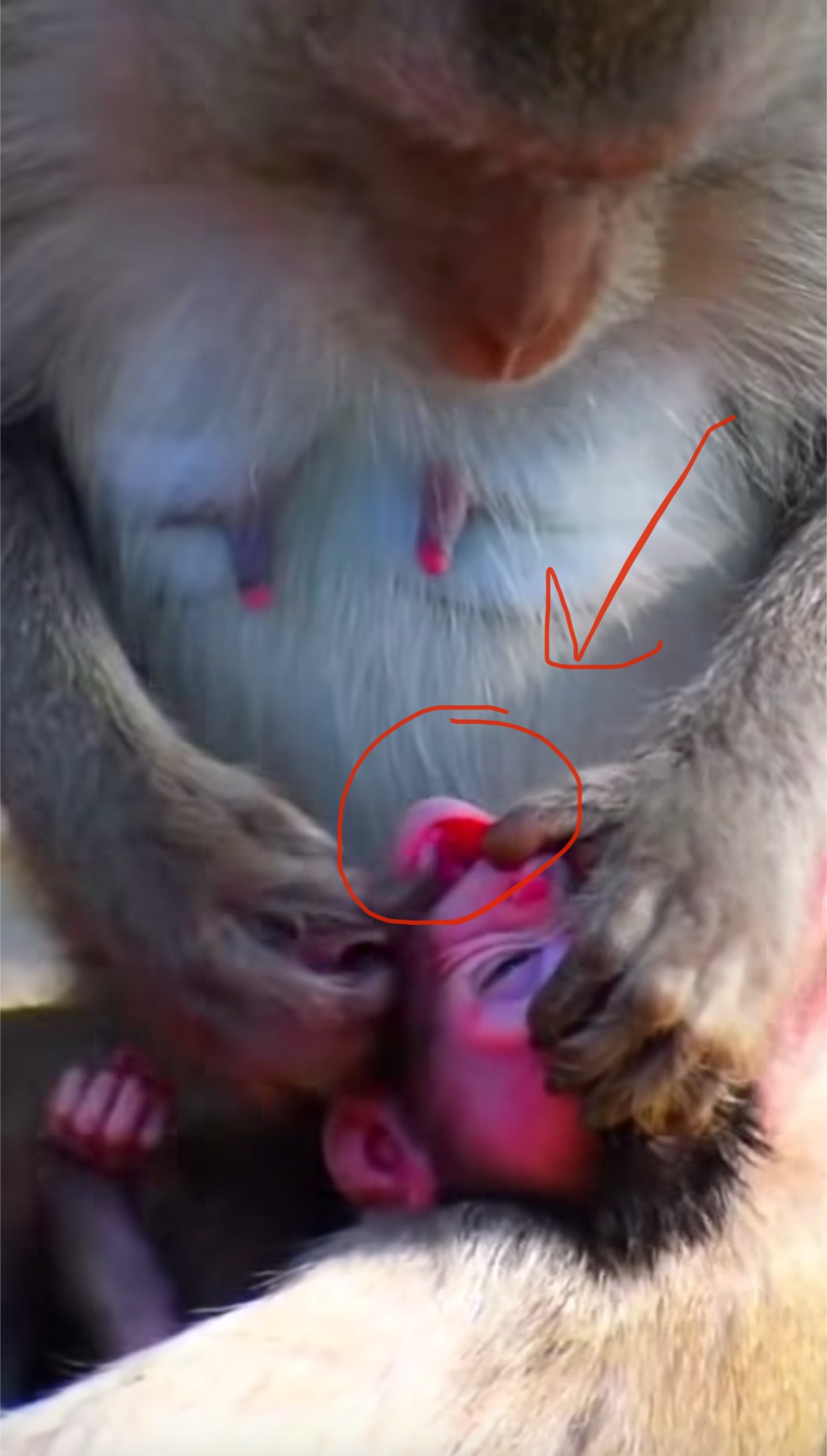
A mother monkey’s milk plays a vital role in the healthy growth and development of her young. Like human breast milk, monkey milk is specially adapted to meet the biological, emotional, and social needs of infants during their earliest and most vulnerable stage of life. From nutrition to immunity and learning, this natural source of nourishment supports young monkeys in multiple important ways.
1. Complete and Balanced Nutrition
Mother monkey’s milk provides a perfectly balanced mix of nutrients essential for early development. It contains proteins for muscle growth, fats for energy and brain development, carbohydrates for quick fuel, and vital vitamins and minerals. The exact composition of the milk can vary by species, but it is always tailored to the growth rate and needs of the infant. This ensures that young monkeys gain strength, develop coordination, and grow at a healthy pace.
2. Brain and Cognitive Development
The fats found in monkey milk, including essential fatty acids, are especially important for brain development. These nutrients support the formation of neural connections, helping young monkeys develop learning abilities, memory, and problem-solving skills. Early access to mother’s milk helps infants quickly adapt to their environment, recognize social cues, and learn survival behaviors by observing their mothers and group members.
3. Immune System Protection
One of the most important benefits of a mother monkey’s milk is immune protection. The milk contains antibodies that help protect infants from infections and diseases during the early months of life, when their own immune systems are still developing. This passive immunity significantly increases survival rates in the wild, where young monkeys are exposed to many environmental risks.
4. Digestive Health and Growth Efficiency
Monkey milk is easy for infants to digest and helps establish healthy gut bacteria. A strong digestive system allows young monkeys to absorb nutrients more efficiently and prepares them for the gradual transition to solid foods. This digestive support is crucial for maintaining energy levels and steady growth during infancy.
5. Emotional Security and Social Bonding
Beyond physical health, nursing strengthens the emotional bond between mother and infant. Close contact during feeding provides warmth, comfort, and a sense of safety. This emotional security reduces stress and helps young monkeys develop confidence. Strong mother–infant bonds also support social learning, as infants stay close to their mothers and observe social interactions within the group.
6. Support for Long-Term Survival Skills
By staying near their mothers during nursing, young monkeys learn essential survival skills such as grooming, communication, foraging, and recognizing danger. Milk feeding keeps infants close during this critical learning period, increasing their chances of thriving independently later in life.
Conclusion
A mother monkey’s milk is far more than simple nourishment. It is a complete developmental system that supports physical growth, brain development, immune protection, emotional well-being, and social learning. Through this natural and powerful resource, mother monkeys give their young the best possible start in life, ensuring stronger, healthier, and more adaptable individuals within their social groups.