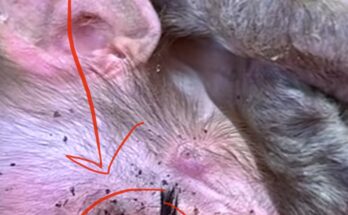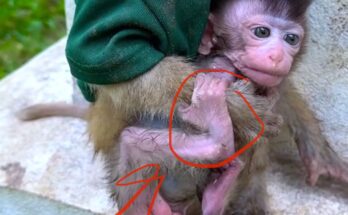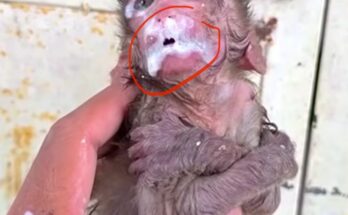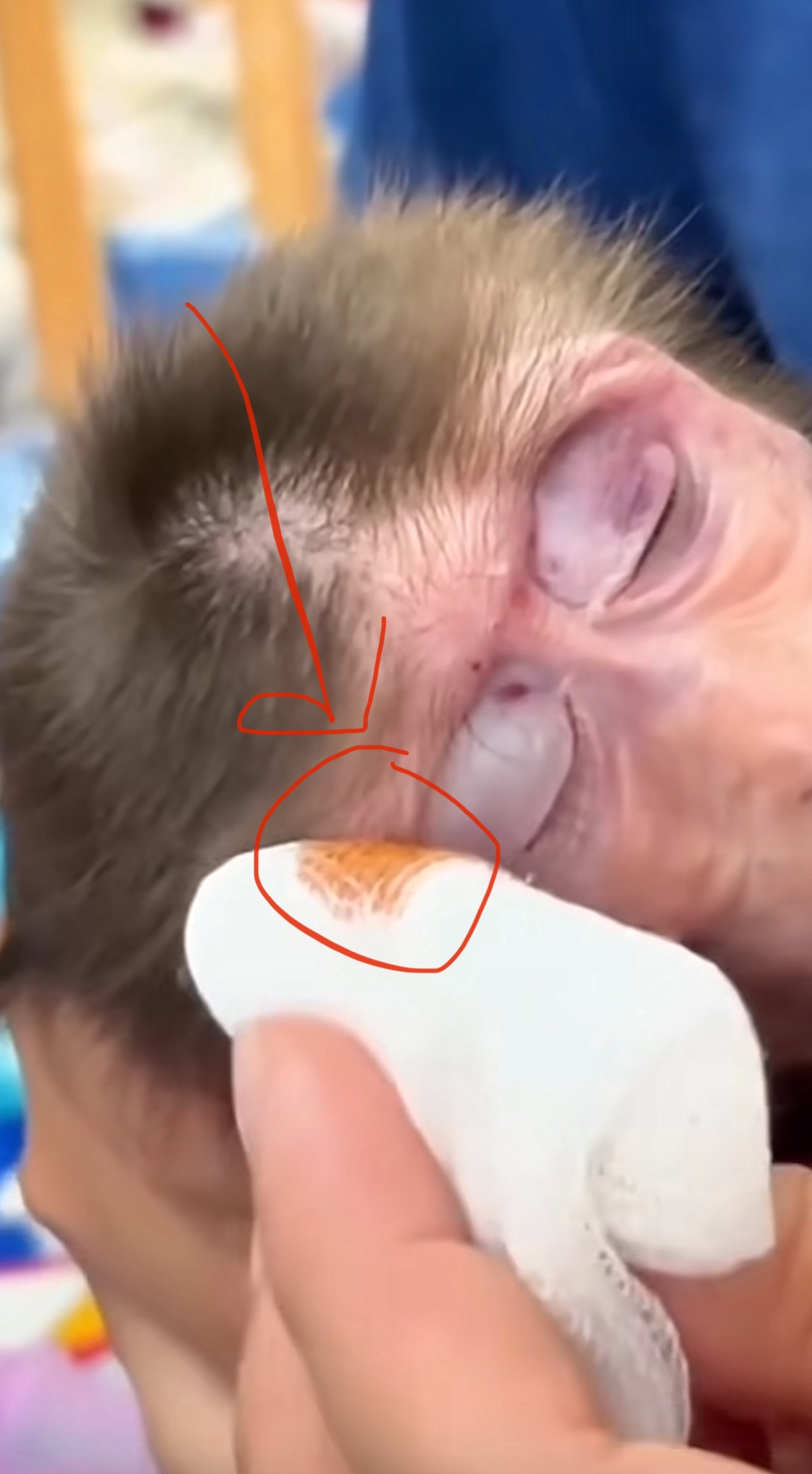
Caring for a sick monkey requires patience, responsibility, and a deep understanding of the animal’s physical and emotional needs. Monkeys are highly intelligent and sensitive creatures, and illness can affect them quickly if not handled properly. Whether the monkey is a rescued animal, part of a sanctuary, or under professional care, understanding the basics of illness management is essential for ensuring recovery and long-term well-being.
Recognizing Signs of Illness
The first step in caring for a sick monkey is recognizing when something is wrong. Common signs of illness include loss of appetite, lethargy, unusual aggression or withdrawal, diarrhea, coughing, sneezing, discharge from the eyes or nose, and changes in posture or movement. Because monkeys often hide weakness as a survival instinct, even subtle behavioral changes should be taken seriously. Early detection can make a significant difference in recovery.
Immediate Isolation and Safety
When illness is suspected, the monkey should be isolated from others to prevent the spread of disease. Many monkey illnesses are contagious, not only to other monkeys but sometimes to humans as well. Caregivers should use protective gear such as gloves and masks and practice strict hygiene. Isolation should be calm and stress-free, as stress can worsen symptoms and weaken the immune system.
Providing Proper Nutrition and Hydration
A sick monkey often needs special nutritional care. Loss of appetite is common, so offering easily digestible foods such as soft fruits, cooked vegetables, or veterinarian-recommended supplements can help. Fresh, clean water must always be available to prevent dehydration, which can become dangerous very quickly. In some cases, electrolyte solutions may be necessary, but these should only be given under professional guidance.
Maintaining a Comfortable Environment
Comfort plays a major role in healing. The monkey’s living area should be clean, warm, and quiet. Bedding should be changed regularly, and the enclosure should be free from drafts, excessive heat, or loud noise. A familiar environment with minimal disturbance helps reduce anxiety, allowing the monkey’s body to focus on recovery.
Professional Veterinary Care Is Essential
Monkeys are exotic animals, and their medical needs differ greatly from domestic pets. A qualified veterinarian with experience in primates should always be consulted when a monkey becomes ill. Never attempt to give human or over-the-counter animal medications, as many substances are toxic to monkeys. Proper diagnosis and treatment plans are critical and can only be provided by a trained professional.
Emotional Support and Monitoring
Monkeys are social animals and can become depressed when sick. Gentle interaction, reassuring presence, and consistent routines can provide emotional comfort. Continuous monitoring is necessary to track changes in behavior, appetite, and symptoms. Keeping written records can help veterinarians assess progress or adjust treatment.
Conclusion
Caring for a sick monkey is a serious responsibility that goes beyond basic animal care. It requires awareness, compassion, strict hygiene, and professional medical involvement. By recognizing symptoms early, providing a supportive environment, and seeking expert veterinary care, caregivers can greatly improve a sick monkey’s chances of recovery while ensuring its dignity and