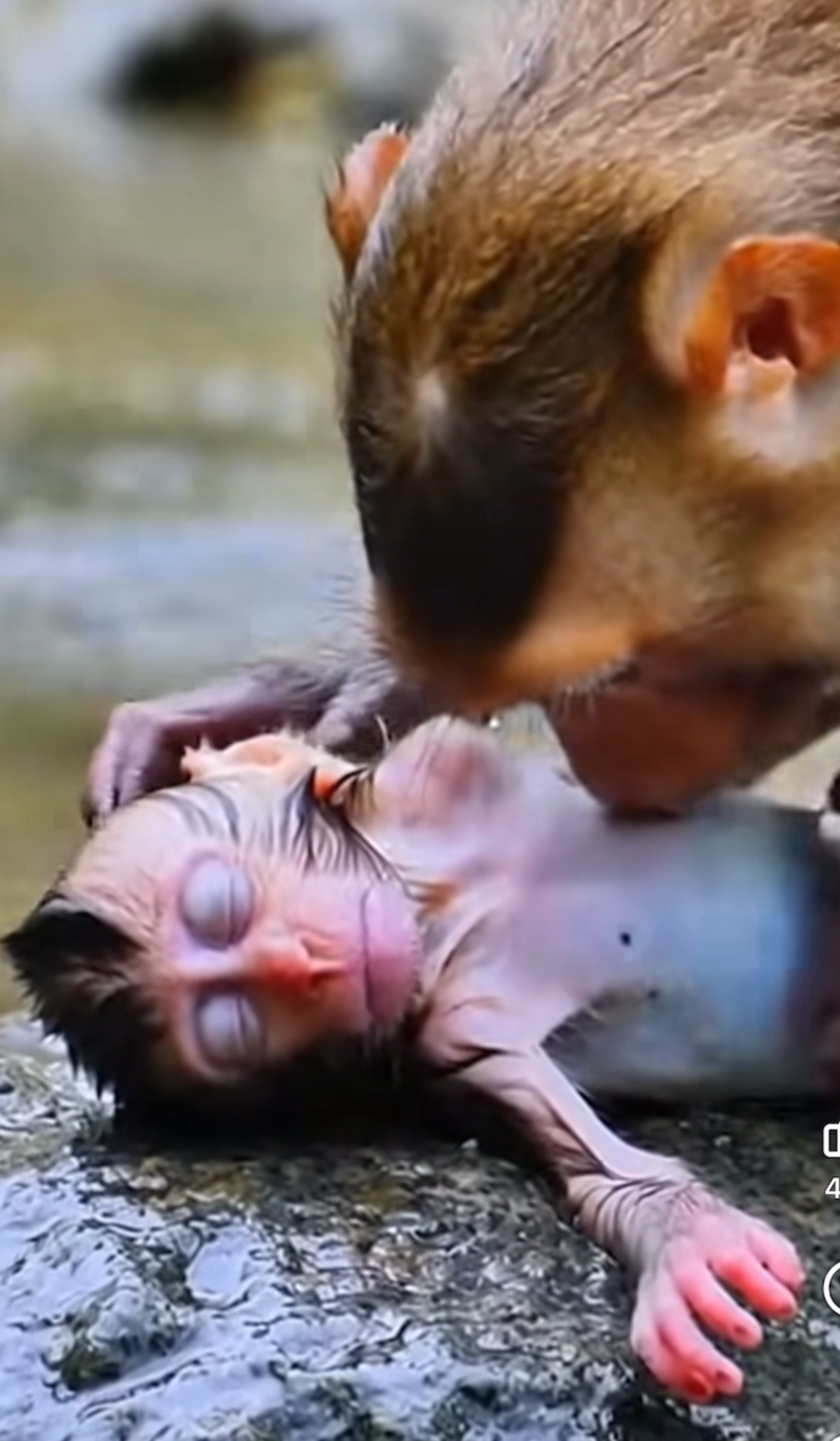
Saving a drowning monkey is a situation that demands quick thinking, compassion, and above all, safety. Monkeys are intelligent, agile animals, but when caught in water unexpectedly—such as in rivers, flooded forests, or urban drainage canals—they can panic just like humans. Knowing what to do first can make the difference between life and death, both for the animal and the rescuer.
Assess the Situation Before Acting
The very first step in saving a drowning monkey is to assess the situation from a safe distance. This is critical. A frightened monkey may behave unpredictably, thrashing, biting, or grabbing anything nearby. Rushing directly into the water without evaluating the risks can lead to serious injury or even cause both the rescuer and the animal to drown.
Look at the water conditions: Is the current strong? Is the monkey trapped or still able to stay afloat? Identify potential hazards such as deep water, slippery surfaces, or debris. If the monkey is near the edge and attempting to climb out, immediate intervention may not be necessary.
Call Wildlife Authorities or Trained Rescuers
Once you’ve assessed the situation, the next and most important action is to alert trained wildlife rescue professionals. Monkeys are wild animals, and rescuing them requires proper handling techniques and equipment. Wildlife officers, forest departments, or animal rescue organizations are trained to manage both the animal’s safety and human safety.
Calling professionals should always be prioritized, especially if the monkey appears aggressive, injured, or is in fast-moving water.
Avoid Direct Physical Contact
If professional help is not immediately available and the situation is life-threatening, do not attempt to grab the monkey directly. Direct contact increases the risk of bites, scratches, and disease transmission. Instead, look for tools or objects that can help the monkey escape on its own.
Branches, ropes, bamboo poles, ladders, or even long pieces of cloth can be extended toward the monkey. These give the animal something to hold onto without requiring close contact.
Create an Escape Route
Monkeys are excellent climbers. The most effective immediate action after ensuring safety is to provide a clear escape path. Position a branch or rope at an angle that allows the monkey to climb out of the water naturally. This reduces stress and allows the animal to rely on its instincts rather than forcing human intervention.
If the monkey manages to grab the object, stay calm and steady. Sudden movements can frighten it and cause it to lose grip.
After the Rescue
Once the monkey is out of the water, do not attempt to restrain or chase it. The animal may be exhausted or in shock and needs space to recover. If possible, keep people away and allow wildlife authorities to handle any follow-up care.
Conclusion
The first and most important thing to do when saving a drowning monkey is to pause and assess the situation safely. Acting without planning can cause more harm than good. By prioritizing safety, calling professionals, and offering non-contact escape options, you increase the chances of a successful rescue while respecting the monkey as a wild animal. Responsible action saves lives—both theirs and ours.