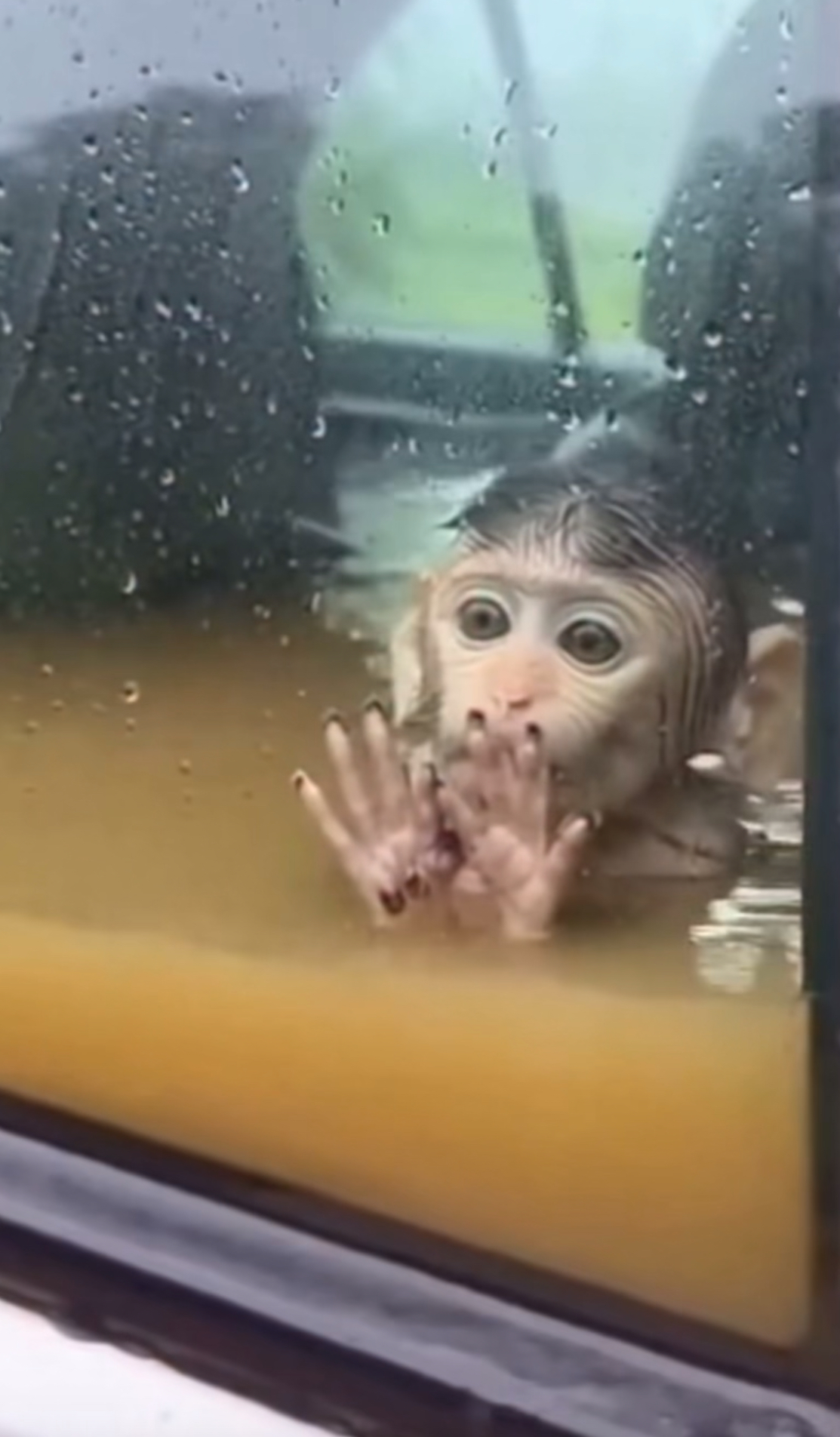
Encountering a drowning or drowned monkey can be shocking, especially in regions where humans live close to wildlife. Whether you come across the incident near a river, well, or water tank, knowing how to respond safely and responsibly is essential. The goal is not only to help the animal—if possible—but also to protect yourself and prevent similar situations in the future. Here is what you need to know.
1. Ensure Your Own Safety First
Monkeys are strong, unpredictable animals, especially when frightened or injured. If you see a monkey struggling in water, do not jump in immediately. Wild animals can panic and unintentionally harm rescuers. Instead:
-
Assess the surroundings.
-
Keep a safe distance from the edge.
-
Avoid direct physical contact unless you are trained in wildlife handling.
If the monkey is still alive and within reach, use a stick, rope, or long pole to help guide the animal toward safety, maintaining as much distance as possible.
2. Contact Local Wildlife Authorities
In most regions, wildlife rescue teams or forest departments are trained and equipped to handle such emergencies. As soon as you notice a drowning monkey or find one already pulled out of water:
-
Call your local wildlife rescue hotline, forest department, or animal welfare organization.
-
Provide clear details about the location, condition of the animal, and what you have already done.
Professional responders can administer proper first aid, assess injuries, and decide whether rehabilitation or medical treatment is needed.
3. If the Monkey Has Been Pulled from Water
If the monkey appears lifeless, do not attempt human-style CPR unless you have professional wildlife training. Improper handling can injure the animal further and put you at risk. Instead:
-
Place the monkey gently on its side in a safe, open area.
-
Allow water to drain naturally from the nose and mouth.
-
Keep people and pets away, reducing the monkey’s stress if it regains consciousness.
-
Wait for wildlife authorities to arrive.
It’s important not to feed the monkey, shake it, or attempt to warm it aggressively, as these actions can cause more harm than good.
4. Understand the Legal and Ethical Boundaries
Monkeys are protected wildlife in many countries. Handling, transporting, or treating them without authorization can be illegal, even if you mean well. Always prioritize contacting professionals, and avoid relocating the animal yourself.
5. Prevent Future Incidents
Many drowning cases happen in areas with open wells, water tanks, irrigation pits, and swimming pools. You can help prevent tragedies by:
-
Covering wells with strong mesh or lids.
-
Installing escape ramps or wooden planks on steep-sided water bodies.
-
Keeping water tanks sealed.
-
Encouraging your community to adopt wildlife-safe water structures.
Small preventive steps can save many animal lives and reduce human–wildlife conflict.
Final Thoughts
Seeing a monkey drown or discovering one that has drowned is distressing, but your actions can make a difference. Stay calm, stay safe, avoid direct handling, and rely on trained wildlife professionals. At the same time, working with your community to create safer environments can significantly reduce such incidents in the future.