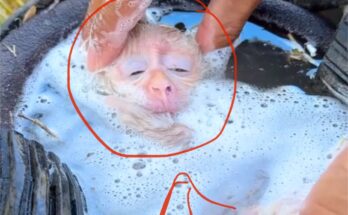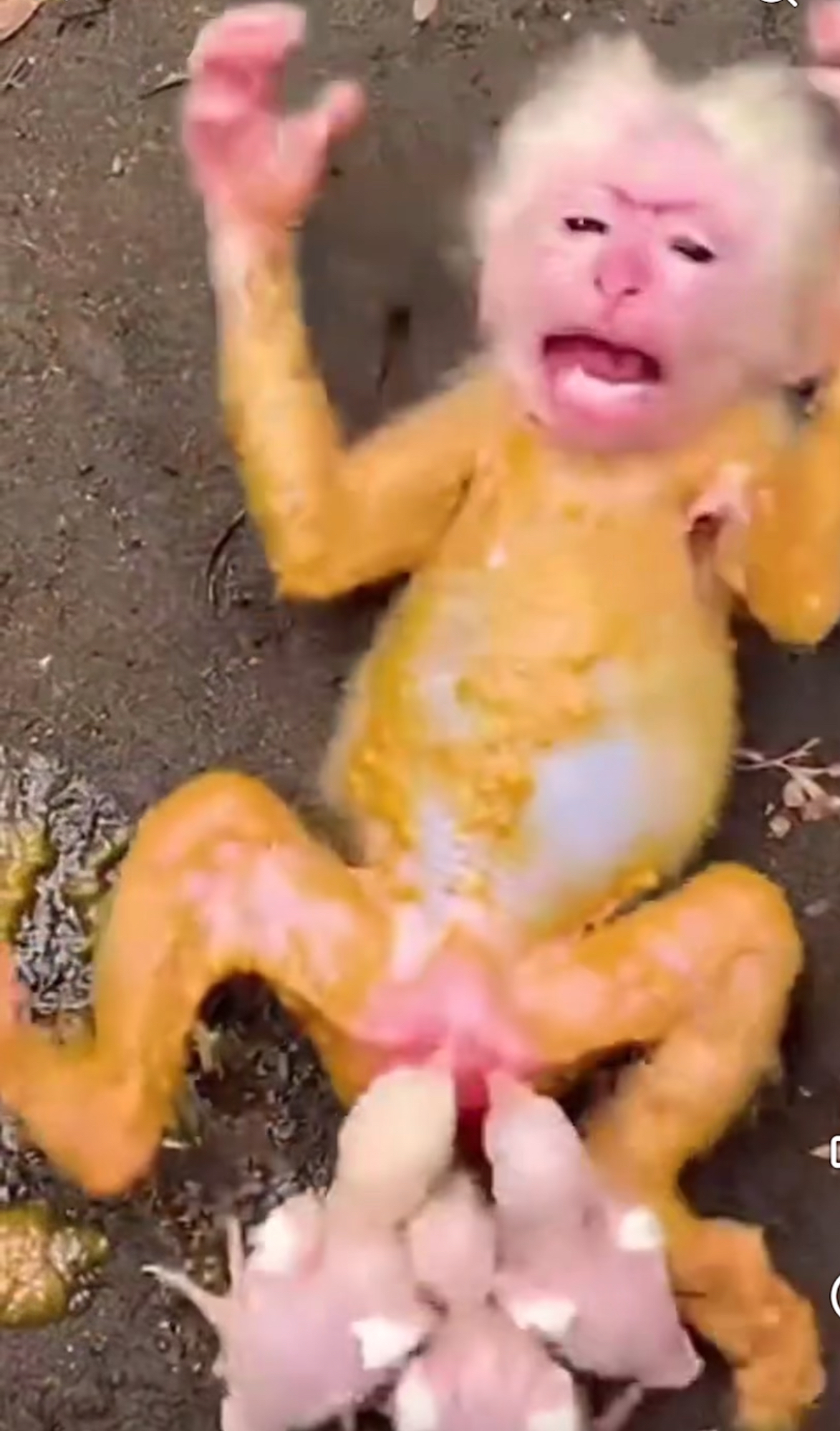
In wildlife sanctuaries, research centers, and even natural forests, one of the most overlooked dangers facing infant primates is not a large predator or a dramatic injury—it’s diarrhea. While it may seem like a minor issue to humans, diarrhea can kill baby monkeys with alarming speed. Understanding why it is so dangerous and what can be done to prevent these deaths is crucial for anyone involved in wildlife care, conservation, or primate research.
Baby monkeys, like human infants, have delicate digestive systems that are still developing. This means they are far more vulnerable to dehydration and electrolyte imbalance when they experience diarrhea. Their small bodies lose fluids rapidly, and without timely intervention, they can progress from mild illness to life-threatening dehydration within hours. In the wild, where consistent access to clean water is already limited, this becomes an even more serious problem.
One key reason diarrhea spreads quickly among monkey populations is the close-knit social structure of primate groups. Monkeys groom each other constantly, share food, and live in tight quarters, especially in sanctuaries or rescue centers. If one infant falls ill due to bacteria, parasites, or contaminated food, the infection can move swiftly through the group. In many cases, caretakers don’t notice symptoms early enough because baby monkeys instinctively hide signs of weakness to avoid attracting predators—a survival instinct that unfortunately works against them in captivity.
Another major contributor is improper feeding. Orphaned baby monkeys cared for by humans often require specialized milk formulas, but the wrong type of formula or improper preparation can trigger digestive distress. Feeding them cow’s milk, sugary drinks, or human infant formula can easily disrupt their gut health. Even small feeding mistakes—like using cold formula or unclean bottles—can result in chronic diarrhea.
Environmental factors also play a critical role. When enclosures are not cleaned regularly or water sources become contaminated, pathogens thrive. Parasites such as Giardia or roundworms are extremely common in young primates and can lead to persistent diarrhea if not treated properly. Stress, too, should not be underestimated. Relocation, separation from the mother, changes in weather, or overcrowding all weaken a baby monkey’s immune system, making them more susceptible to gastrointestinal illness.
Despite the seriousness of the issue, diarrhea-related deaths in baby monkeys are highly preventable. Early hydration—often with simple oral rehydration solutions—can make the difference between life and death. Clean living conditions, proper sanitation, appropriate milk formulas, and routine veterinary checks significantly reduce the risk. Caretakers must be trained to recognize the earliest signs of illness: lethargy, refusal to feed, unusual stool color, or weakness. Acting quickly is essential.
The survival of baby monkeys is vital not only for ethical reasons but also for conservation. Many primate species are already threatened or endangered. Losing infants to preventable diseases further jeopardizes their future. Raising awareness about the dangers of diarrhea may seem simple, yet it can dramatically improve survival rates in both wild and rehabilitated populations.
Diarrhea may appear small, but for baby monkeys, it is a deadly threat—and one we have the power to fight.