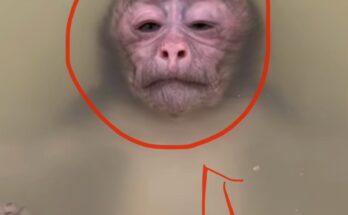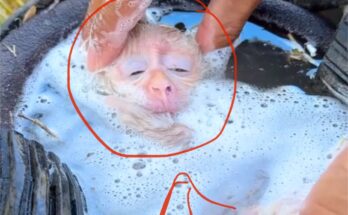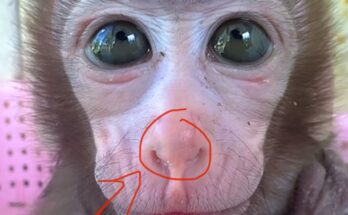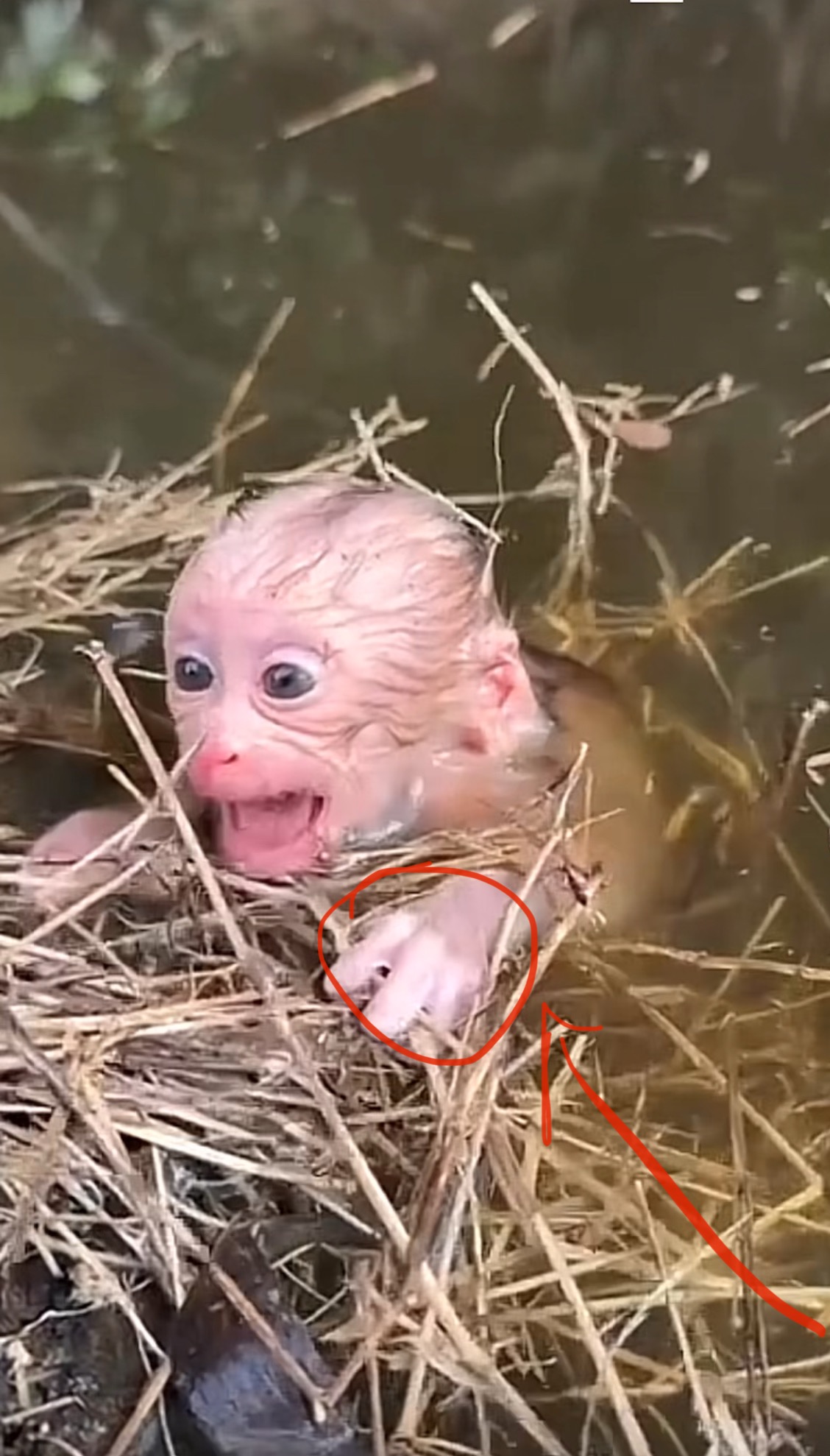
Drowning is one of the most common emergencies affecting young primates, especially baby monkeys that play near rivers, ponds, and water-filled ditches. Their natural curiosity combined with limited strength makes them vulnerable to accidental submersion. Quick and correct first-aid action can mean the difference between life and death. Whether you work in wildlife rescue, manage a sanctuary, or live in an area where monkeys frequently roam, understanding basic first-aid procedures is crucial. This guide explains what to do immediately when a baby monkey is pulled from water and how to support its recovery safely and humanely.
1. Ensure Safety Before Attempting a Rescue
Before approaching the drowning monkey, assess the environment. Fast-moving water, slippery banks, or aggressive adult monkeys nearby can put rescuers at risk. If the area is unsafe, call professional wildlife rescuers rather than intervening directly. Using a stick, net, or cloth can help you reach the baby monkey without entering dangerous waters yourself.
2. Remove the Baby Monkey From the Water Carefully
Once the baby is reachable, lift it gently but firmly. Support the chest and head since baby monkeys are fragile and easily injured. Place it on a flat surface immediately and check for responsiveness. A drowning monkey may appear limp, unconscious, or gasping.
3. Clear the Airways
Water and debris in the airway must be removed as quickly as possible.
-
Lay the baby monkey on its side.
-
Tilt the head slightly downward.
-
Open the mouth and use a clean cloth or your fingers to sweep out mud, leaves, or water.
Do not shake the monkey violently. Gentle handling is essential to avoid spinal or rib injuries.
4. Stimulate Breathing
If the baby monkey is not breathing, you can attempt resuscitation.
-
Place the monkey on its back.
-
Cup your hands gently around its ribs.
-
Perform light chest compressions using two fingers, pressing down about one-third of the chest depth.
-
Alternate compressions with soft breaths blown lightly into the nose and mouth if you are trained and willing.
Because baby monkeys are extremely small, pressure must be minimal. The goal is to restart breathing without causing trauma.
5. Keep the Monkey Warm
Drowning victims often suffer from hypothermia. Wrap the baby monkey in a dry cloth or towel. Avoid overheating; instead, maintain a steady, comfortable warmth. Body temperature support is especially important because young monkeys cannot regulate heat effectively.
6. Seek Professional Wildlife Care Immediately
Even if the monkey resumes breathing, internal injuries, water inhalation, or shock may still threaten its life. Transport the baby to a wildlife veterinarian or rescue center as soon as possible. Professionals can administer oxygen, treat respiratory infections, and provide fluids to prevent dehydration.
7. Reduce Stress and Avoid Handling Excessively
Limit noise, human contact, and movements during transport. Baby monkeys can become stressed quickly, which worsens their condition. Keep them covered and calm until help is reached.
Quick, informed, and gentle action can save a baby monkey’s life. By understanding proper first-aid techniques and ensuring rapid transfer to wildlife professionals, you can make a life-saving difference in moments when every second counts.