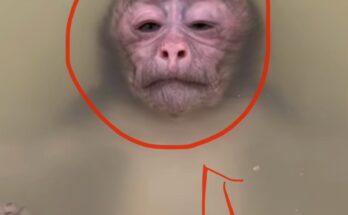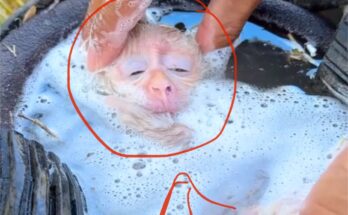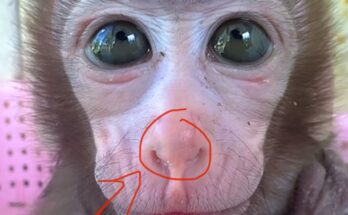
Caring for newborn monkeys requires special attention, and one of the most important aspects of their early development is eye health. Infant primates, much like human babies, are extremely sensitive to light, bacteria, and environmental conditions. Their eyes are still developing, making them vulnerable to infections, irritation, and injuries. Whether you’re a wildlife caretaker, a rehabilitation worker, or simply learning about primate care, understanding how to protect newborn monkeys’ eyes is essential. Below are easy, practical ways to keep their eyes healthy and safe.
1. Maintain a Clean and Hygienic Environment
Newborn monkeys are often exposed to bacteria and dust that can easily irritate their eyes. Keeping their living area clean is one of the simplest yet most effective ways to prevent eye issues. Regularly wash bedding, clean feeding bottles, and disinfect surfaces with safe, non-toxic cleaners. Remove any small particles, such as wood shavings or dirt, that could get into their eyes.
2. Control Lighting and Sun Exposure
Just like human infants, newborn monkeys are sensitive to bright lights. Too much exposure can cause eye strain and even long-term problems. Keep them in a softly lit environment, especially during the first few weeks. If they are outdoors, provide shaded areas to protect them from direct sunlight. Natural light is important, but moderation is key.
3. Proper Nutrition for Eye Development
Good eye health begins with proper nutrition. Newborn monkeys need milk rich in vitamins A, C, and E—nutrients crucial for healthy eye development. For orphaned monkeys or those in rehabilitation, using the right milk formula is essential. Caretakers should consult a veterinarian to ensure the formula meets their nutritional needs. As the monkeys grow, their diet should include fruits and vegetables that support vision, such as carrots, mangoes, and leafy greens.
4. Gentle Handling to Avoid Physical Injury
Newborn monkeys are delicate, and rough handling can lead to accidental eye injuries. Always support their head and avoid sudden movements. If they are kept with other animals, ensure that older monkeys or pets cannot accidentally harm them. Safe handling reduces the risk of scratches, bumps, and trauma to their sensitive eyes.
5. Regular Eye Checks and Early Detection
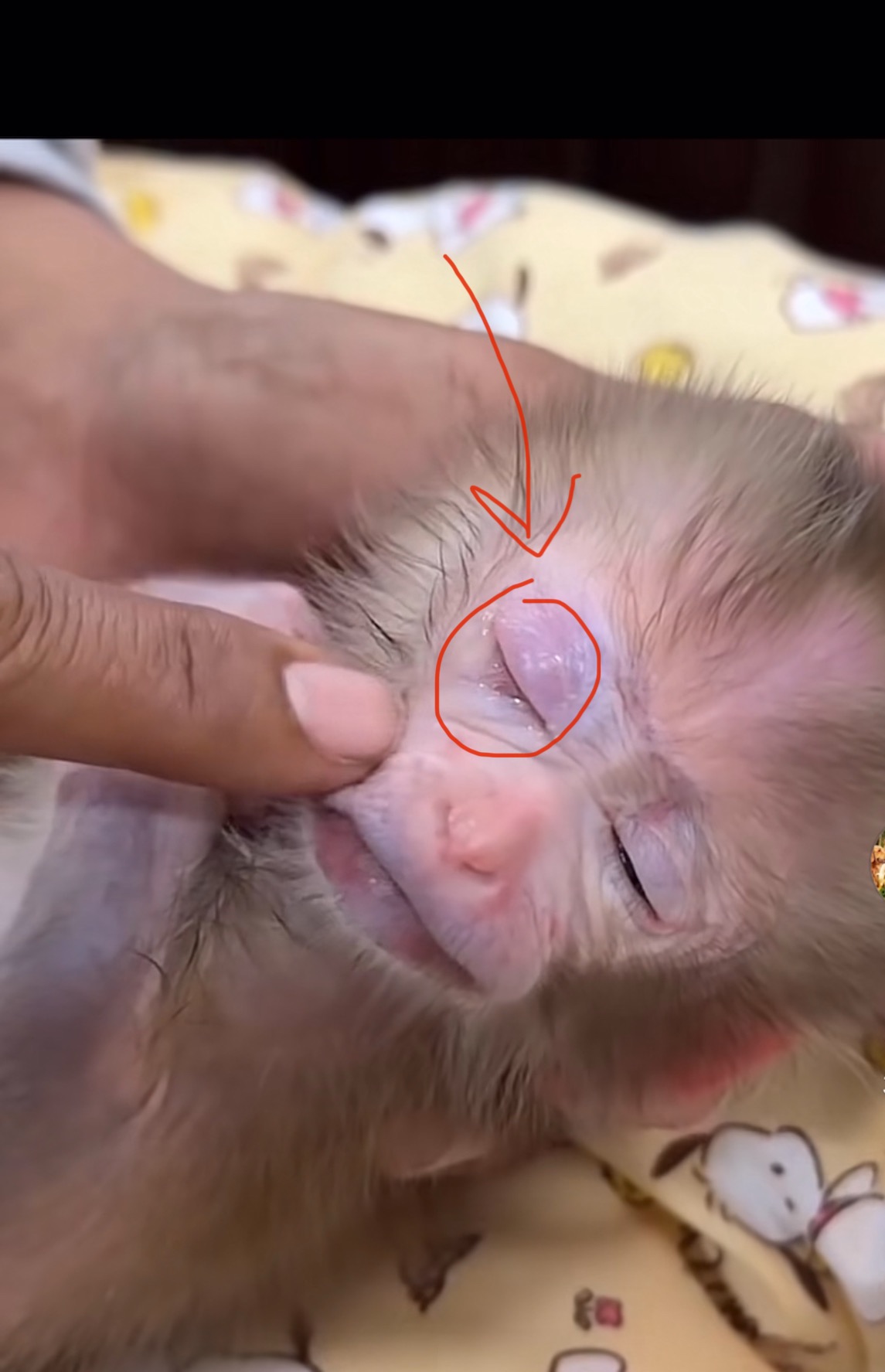
Early detection of problems can prevent serious complications. Caretakers should examine the newborn monkey’s eyes daily for redness, discharge, swelling, or excessive tearing. These can be signs of infection or irritation. If any symptoms appear, consulting a veterinarian immediately is important. Early treatment often leads to quick recovery.
6. Use Safe, Vet-Recommended Eye Drops if Needed
In some cases, a veterinarian may recommend special eye drops to prevent dryness or treat minor infections. Never use human medications without guidance. Monkey eyes are sensitive, and improper treatment can worsen the condition.
Conclusion
Protecting newborn monkeys from eye problems doesn’t have to be complicated. A clean environment, proper nutrition, gentle handling, controlled lighting, and regular monitoring all play important roles in maintaining healthy eyes. With consistent care and early attention, newborn monkeys can grow strong, healthy, and free from preventable eye issues.