In a recent incident that has drawn widespread attention from veterinarians and wildlife authorities, a baby monkey contracted rabies after being bitten by an unvaccinated dog near a small rural settlement. While human-wildlife encounters are not uncommon in areas where communities live close to forests, this case highlights an urgent need for better education, stronger vaccination programs, and closer monitoring of both domestic and wild animals.
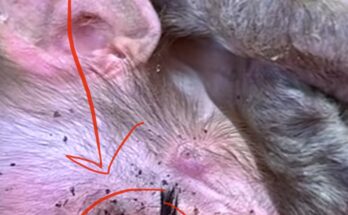
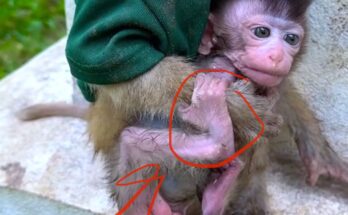
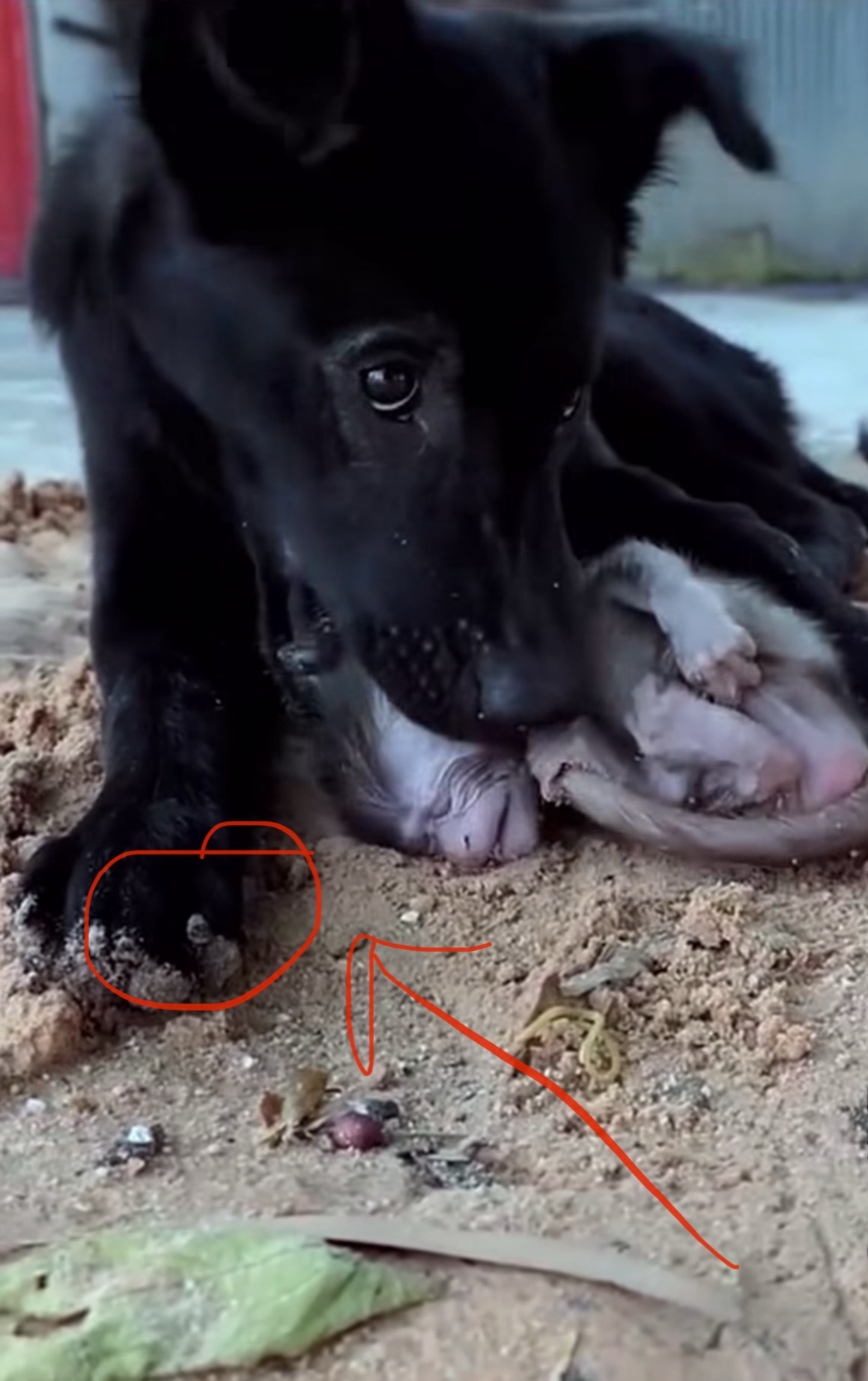
According to local reports, the young monkey—estimated to be only a few months old—had ventured near a village in search of food. Such behavior is increasingly common as deforestation and habitat loss push wildlife closer to human environments. Residents noticed a stray dog acting aggressively that day, and before intervention was possible, the dog bit the baby monkey during a brief encounter. At first, the wounds appeared minor, and the monkey returned to its troop, but within days, unusual symptoms began to appear.
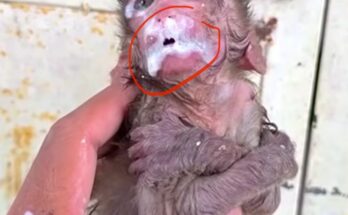
Rabies, a viral disease affecting the central nervous system, is almost always fatal once symptoms emerge. The monkey reportedly developed signs typical of rabies infection: agitation, disorientation, excessive salivation, and paralysis. Local wildlife officials later confirmed the diagnosis. Unfortunately, due to the rapid progression of the disease and the challenges of treating wild animals, the baby monkey did not survive.
This incident carries important lessons for communities living near wildlife habitats. First, it emphasizes the importance of vaccinating domestic animals, especially dogs, which are the most common carriers of rabies in many regions. Vaccination campaigns are effective and relatively inexpensive, yet gaps in coverage persist in rural areas. Stray and free-roaming dogs, in particular, pose a significant risk when they are not part of regular vaccination programs.
Second, it highlights the interconnectedness of ecosystems. Diseases like rabies do not respect species boundaries; a single infected animal can trigger a chain reaction, endangering pets, wildlife, and even humans. When animals like monkeys, which are highly social and mobile, contract the virus, the risk of wider transmission increases. Fortunately, in this case, wildlife teams acted quickly to monitor the monkey’s troop and assess potential exposure.
Third, the story underscores the need for public awareness. Many residents—even those who regularly encounter wildlife—do not fully understand how rabies spreads or how quickly it becomes fatal. Educational outreach can empower communities to recognize signs of rabies, avoid contact with potentially infected animals, and report unusual behavior promptly. Quick reporting allows authorities to track outbreaks more efficiently and take protective measures.
Finally, the tragic outcome serves as a reminder of how human activities contribute to these situations. As forests shrink and natural food sources diminish, animals like monkeys increasingly wander into villages, increasing the likelihood of encounters with unvaccinated dogs. Conservation efforts and responsible pet ownership must go hand in hand to prevent similar incidents.
While the baby monkey’s fate is heartbreaking, the incident offers an opportunity to reinforce public health measures that protect both humans and animals. With stronger vaccination efforts, better awareness, and improved cooperation between communities and wildlife authorities, such incidents can be dramatically reduced in the future.